
Young learners explore the amazing world of animals through observation, play, and simple classification.
Children learn to identify common animals, their sounds, and the basic needs of all living things - food, water, shelter, and care.
Kids learn to:

Children discover that plants start from seeds and grow when given water, sunlight, and care.
Through hands-on planting, they watch real growth and change over time.
Kids learn to:

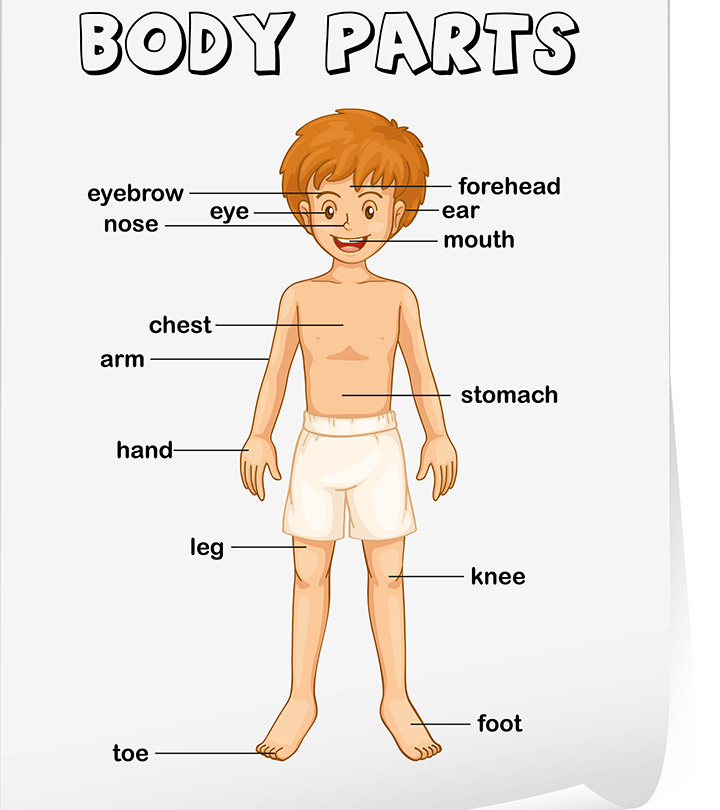
This unit helps young learners explore themselves!
They use their senses to observe the world and understand how different body parts work together.
Kids learn to:

Children are introduced to different places where animals and plants live, such as forests, oceans, deserts, and more.
Kids learn to:

This foundational concept helps young learners understand what makes something alive.
Kids learn to:
You are alive! The chair you are sitting on is not alive. You breath, you eat, you drink and you move around. Animals and plants are also alive. even though plants may not be able to move the same way you can.

Worksheets


Children explore how living things change and grow through simple, visual examples.
Kids learn to:


Kids learn to observe the sky, track daily weather, and understand how seasons change throughout the year.
Weather is what the sky and the air outside are like, such as cold and cloudy. It also includes events like lighting, rainbows etc.
Climate is what the weather looks like in an area over a long period of time. Some places like deserts have hot dry climate. Other areas like the forests have warm, wet climate.
Kids learn to:


This open-ended learning area develops curiosity and observation skills through outdoor discovery.
Kids explore:

It is important to stay healthy. Eating healthy food is important. It is also important to drink plenty of water, do exercise and get enough rest including sleep.
Healthy food includes carbohydrates (carbs - for energy), protein - for growth and development, fruits and vegetables - for vitamins and other nutrients.

The earth needs plants and animals including large trees, small shrubs, grasses etc. Plants provide animals with food, shelter and places to hide from danger. Plants also help to keep the air clean.
Trash has to be disposed off appropriately. Where possible, ensure to recycle everything that can be recycled such as glass bottles, soda cans, plastic containers, metal tins, cardboard boxes, paper etc.
It is good to plant trees and ensure the soil is covered.
Reuse all items that can be used again and again.
Use as little energy as necessary. Ensure light bulbs are switched off when not in use.

Children explore different materials using their senses - touching, comparing, sorting, and describing.
Kids learn terms like:

Use visual and sensory play to introduce the different states of matter. Playing with water can be an ideal way to learn these concepts.
Kids learn that:

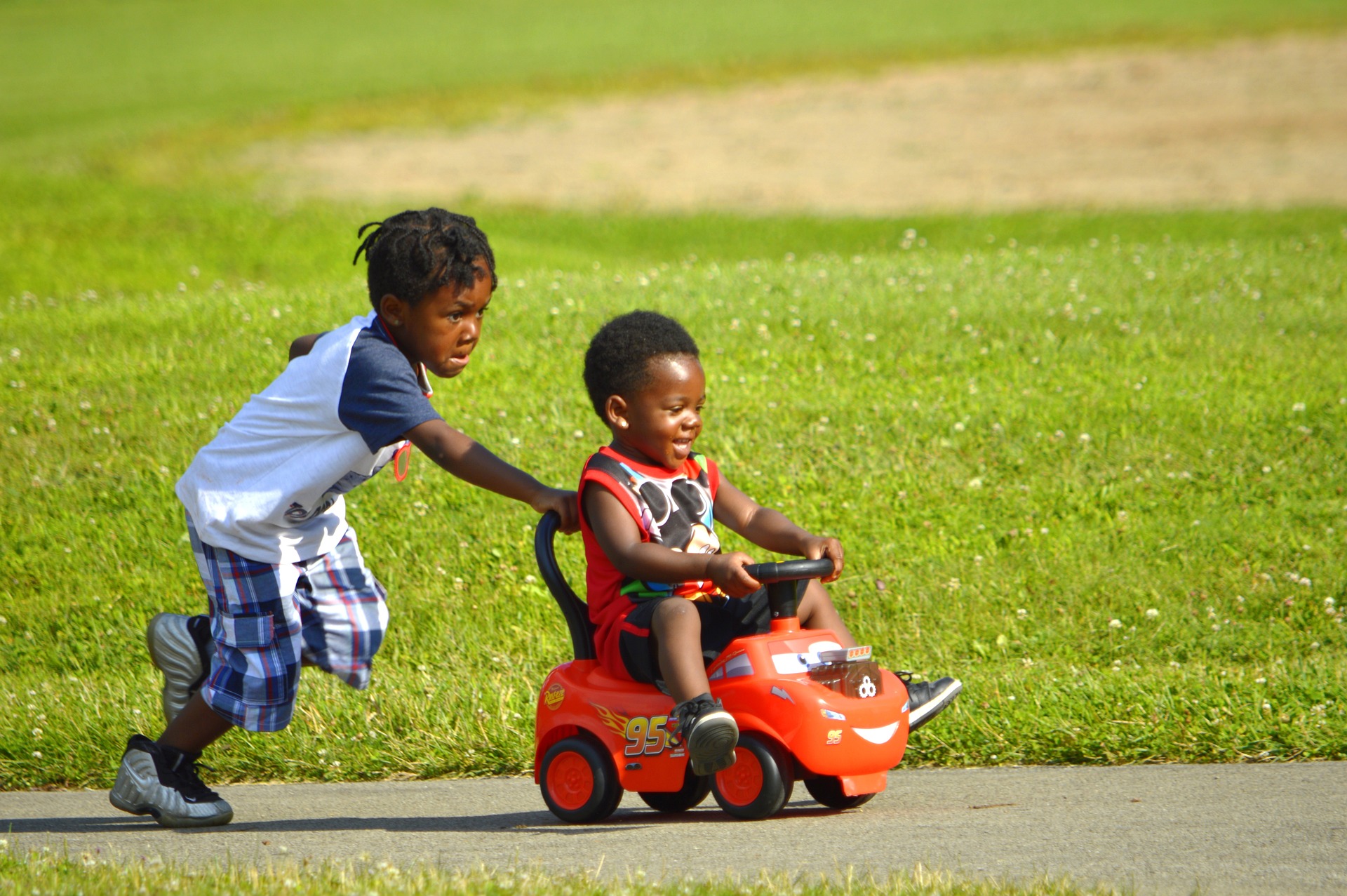
Through playful experiments with balls, cars, and ramps, children discover how things move.
Bikes, rocks, chairs, a house, are all examples of non-living things. Unlike living things, non-living things cannot move on their own, they need energy for them to move. Energy maybe provided by a person, like when you push the dining chair to your favorite spot, or energy may be in form of electricity or fuel used to move a car or a toy.
Magnets are objects that can push or pull other objects made from some kind of metals.
Kids learn:
Magnets are fascinating! This unit introduces magnetic attraction in a simple, hands-on way.
Kids learn to:

Objects that are not heavy will float on water. Heavy objects will often sink in water.
Kids learn:

Children explore how light helps us see and how shadows are formed.
Kids learn:

Kids learn about loud and soft sounds, vibrations, and simple sound-making tools.
Kids learn:

Children explore early engineering principles through play.
Kids explore:
Concepts learn these concepts through building and experimenting.

We get day and night because the Earth spins (or rotates) on an imaginary line called its axis and different parts of the planet are facing towards the Sun or away from it.
It takes 24 hours for the world to turn all the way around, and we call this a day. Over a year, the length of the daytime in the part of the Earth where you live changes.
Kids explore:

We live on Earth. Earth is one of 8 planets. It is the third from the sun. All planets move around the sun, which is located in the center of the solar system.
The 8 planets are:

A simple introduction to space through storytelling and observation.
Kids learn to:

Kids explore the main parts of our planet using models, sensory bins, and outdoor play.
Kids learn:

Focusing on simple actions like the 3 Rs (Reduce, Reuse, Recycle), saving energy (lights off, less water), and getting outside to connect with nature, using fun activities like trash-to-treasure crafts and scavenger hunts to make it engaging and show how small choices help our planet by saving resources and reducing landfill waste.
Kids learn:

A sensory-rich exploration of the natural materials beneath our feet.
Kids learn:




 Contact Us