
All living things are made up of cells. A cell is the smallest unit of living matter. So, insects, cabbages and people are all made of cells.
All living things require oxygen, water, food and a place to live. Oxygen is a gas found in the air and in water and it is very important for living things.
Living things can be differentiated from non-living things because living things carry out five life functions as follows:

Plant and animal cells have some things in common and also some things are different.
Remember we mentioned that plants can make their own food? This is because most plants have green parts in their cells called chloroplasts. Chloroplasts are green because they are filled with a green substance called Chlorophyll. Chlorophyll helps plants make their own foodby using energy from the sun. Animals do not have chlorophyll.
Plant cells also have a cell wall. As the name suggests, a cell wall surrounds the plant cells and gives the cell a rigid shape. animal cells do not have a cell wall, instaed they have a cell membrane, which is not rigit, so most animal cells tend to be round in shape.
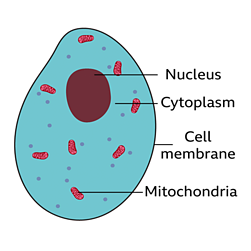
What makes your heart different from your skin? The cells are different! When an organism has many cells, its cells tend to do different jobs.
Cells of the same type (and function) are grouped together to form tissues. Tissues can also group together to form an organ. An organ is a group of tissues that perform a function. For example, the heart is an organ and its function is to pump blood. Many organs work together to form an organ system. The heart, together with blood, and blood vessels make up the circulatory system whose function is to pump and distribute blood to all parts of the body.
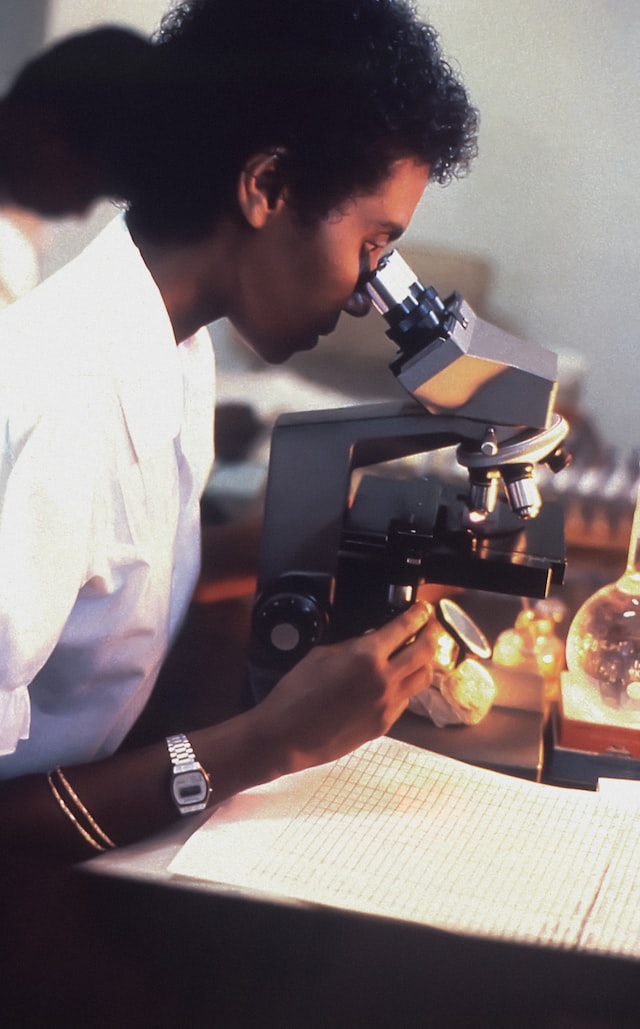
Cells are so so small that you cannot see them with just your eyes. You need to use a Microscope. A microscope works like hand lens, it makes small things look bigger.
The word classify means to group things that share similar properties together. For example, if you are doing laundry, you group clothes of the same color together. In this case, you have classified clothes using color as the property.
When you are classifying living things, you have to decide what characteristics or properties to use. These properties can also be called traits.
You can use several propoerties to classify living things. Like in the example of clothes, you can first sort clothes based on color, then once you have a hip of clothes of the same color, you can then sort them again based on size, so tht the large white bedsheet will be washed separately from the small white vest. We can call these levels of classification.
There are many ways of classifying living things. Here, we just need you to understand the concept of classification so we will use the example below.
In this example, the highest level of classification is called Kingdom. We can classify all living things into to one of 6 kingdoms namely:
Living organisms can also be grouped using other levels of classifications as shown below:
There are living things that are only made up of one cell. These are called microorganisms. They are too small you need to use a microscope to see them. Examples of microorganisms include Bacteria.
Bacteria are microorganisms made of one cell. They do not have a nucleus. You might have heard of bacteria as causes of diseases, but not all bacteria cause diseases. Some are not harmful, and some are even beneficial to people.
Fungi are a group of living things that includes microorganisms like yeasts (the one used for making bread) and some larger organisms including mushrooms. Fundi have a cell wall, like plant cells, but do not have chloroplasts and chlorophyll, so they are not green and they cannot make their own food.
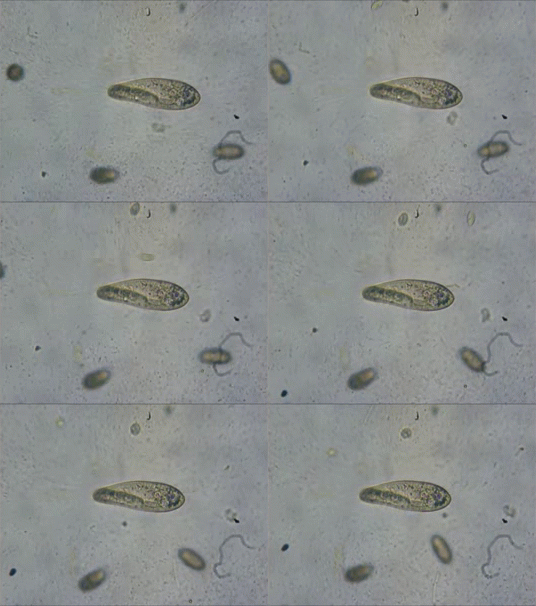
The kingdom called protists is made up of microorgnisms that are more developed and have developed special structures in the cell to perform various functions. One example of a protist is a paramecium (see figure).
There are several other examples of protists such as Amoebas, Giardia, Oomycetes (the cause of the Great Famine of Ireland), Plasmodium (which causes malaria) and slime molds. As already shown, most of these cause disease in humans.
All plants need to move water and other nutrients from the ground to their cells. Most advanced plants have tubes for this function but less advanced plants, like mosses, grow close to the ground so they do not need a tube system.
Plants can be classified by using structures such as shape of leaves, shape of roots, types of stems.
Plants can also be classifed by using the presence or absence of seeds, and when present, you can use the type of seeds. Most advanced plants that have a stem, roots and leaves usually also have a fruit and seeds. Some less advanced plants do not have seeds and they reproduce through spores.

Roots: A plant's roots grow into the ground. They anchor the plant so that it remains firmly held in the soil. Some plant types, such as potatoes and carrots, store food in the root. Some roots are covered with root hairs, which are small thread-like structures that take in water and nutrients from the soil. All roots have the same functions but different plants have different kinds of roots. For example, carrots and dandelions have one large root called taproot while grass has many small roots called fibrous roots.
Stems: grow above the ground and they keep the plant upright. The stem has structures that enable food, water and nutrients to move throughout the plant. Plants may either have a woody stem, which is firm and gives the plant support, or soft and bendable.

Leaves: Plants that have green leaves use the leaves to collect light energy from the sun and use it to make their own food. This process is called Photosynthesis, where 'photo' stands for 'light', and 'synthesis' stands for 'make/create/produce'
The leaves also collect carbon dioxide from the air. plants need this carbon dioxide to produce food in form of sugars. The carbon dioxide enters the leaves through holes called Stomata (one hole is called stoma).
The process of photosynthesis needs the water. Plants obtain water from the soil and the water moves through tubes called veins.
If the plant has too much water, the excess water will be lost through the stomata in the leaves. This process is called transpiration. If the plant has little water and it needs to conserve it, the stomata will close so that there will be no transpiration taking place.
All living things can make more of themselves. This process is called reproduction.
Flowering plants use flowers to reporduce. Flowers have male and female parts. The male part is the stamen which includes the anther. The anther makes pollen that has the male sex cells. The female part of the flower is the pistil which includes the ovary. The pistil makes the female sex cells - eggs.

Pollination
Pollination is the process of moving pollen from the anther to the pistil. This may be achieved by wind or by birds, insects and other pollinators. For instance, bees visit flowers so as to feed on nectar, a sweet liquid inside the flower and in the process, pollen sticks on the bees body and the bees carries this pollen to the next flower where the pollen will fall from the bees and could land on the pistil.
Fertilization
Once the pollen is on the pistil, the pistil develops a long tube that enables the pollen to move through the pistil to the ovary. Fertilization is when the pollen (the male cell) joins in the female (eggs) to form a seed.
Germination
Germination is the process where a seed sprouts and produces a root and a small stem. One or two leaves appear on the stem.
Seedlings
A seedling is the young plant that grows from the seed. seedlings need water, sunlight and nutrients for growth. If the seedling gets all these needs then it will grow bigger and into an adult plant.
Plant maturity
A plant achieves maturity if it grows to the point where it can produce flowers and eventually seeds. These seeds are the same that will be used to grow a new plant. This can be referred to as the plant's life cycle. Some plants produce seeds and then at the end of the season they die. Other plants produce seeds and they also continue to grow and produce more seeds in subsequent years.

Seed Dispersal
As mentioned before, the importance of seeds is to grow and produce more plants. There are benefits in the seeds being moved to a different location to grow there so as to spread to other sites and also reduce the risk of death if the previous site is destroyed. Plants have developed several methods to ensure they are dispersed from one location to another. For example:

Other ways Plants can Reproduce
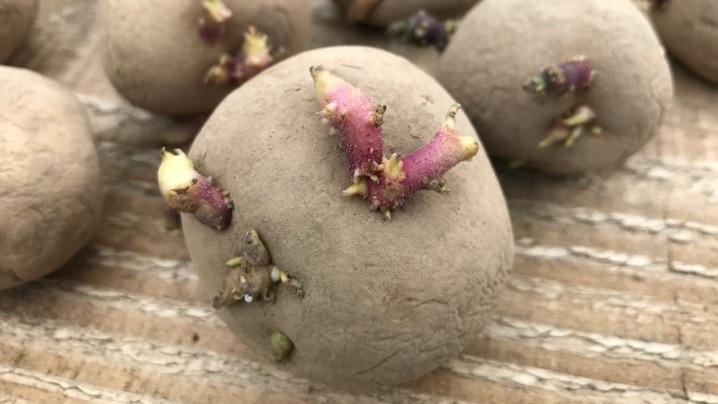
Some plants can reporudce without requiring the germination of seeds. Some of the other ways pnats can reporudce include:
Plant Genetics
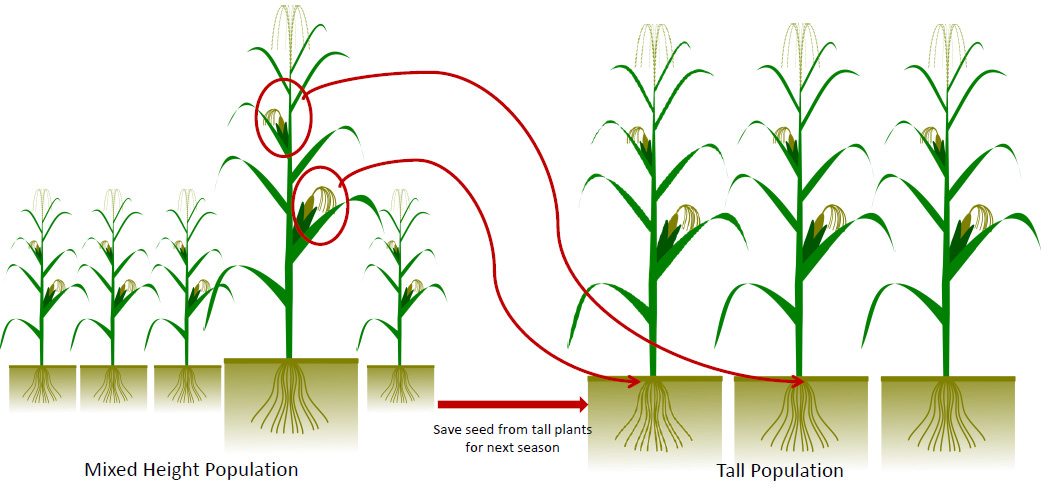
Let us discuss here the very basics of plant genetics and inheritance. Plants usually have characteristics similar to their parents. The passage of these characteristics from the parents to the 'offspring' is called Inheritance. The characteristics are called traits.
The concept of inheritance means people, such as farmers, can choose the plants with traits they like and take seeds from only those desirable plants. If they plant these seeds, the future plants are expected to be more desirable.
In Grade 3, we defined an ecosystem to be made up of all the living and non-living things that function together in one place. The living things are called Biotics factors and the non-living things are called Abiotic factors. Biotic factors include all the plants and animals living in the ecosystem. Abiotic factors include all the elements that affect the plants and animals, such as the temperature, type of soil, water, rocks, etc.
Each organism in an ecosystem has its own place where it lives. This is called a habitat.

Living things in an ecosystem depend on each other to survive. This relationship maybe beneficial, like when a bees obtains nectar but also results in pollination, but in other cases, this relationship may be negative, like when a bear feeds on salmon.
In Grade 3, we also defined the word population, we indicated that a population consists of all the members of a species that live a specified geographical area. For example the number of giraffes in a specified national park. When many populations (i.e., many different specieis) are considered together, it is called a community. So a community will include the number of giraffes, lions, cheetahs and all other species in the national park.
In an ecosystem, each type of living thing needs different food.
Plants produce their own food.
Herbivores eat plants.
Carnivores eat herbivores.
Omnivores can consume both plants and animals.
Decomposers utilize dead and decaying matter into waste and simpler substances.
Plants are called producers because they produce their own food. Animals are called consumers because they eat, or consume, other living things. Plants are essential to ecosystems because they produce the food which all other living things need. To represent how living things feed off other living things in an ecosystem, we can use a food chain.
Competition: Sometimes living things have to compete to get what they need. This is called competition. Predators compete with each other. For example, lions and cheetahs hunt the same herbivores. Plants in a forest compete for sunlight.
Cooperation: When living things help each other to survive in an ecosystem, this relationship is called cooperation. For example, a tree may provide a home for a bird's nest. Bees can pollinate flowers.
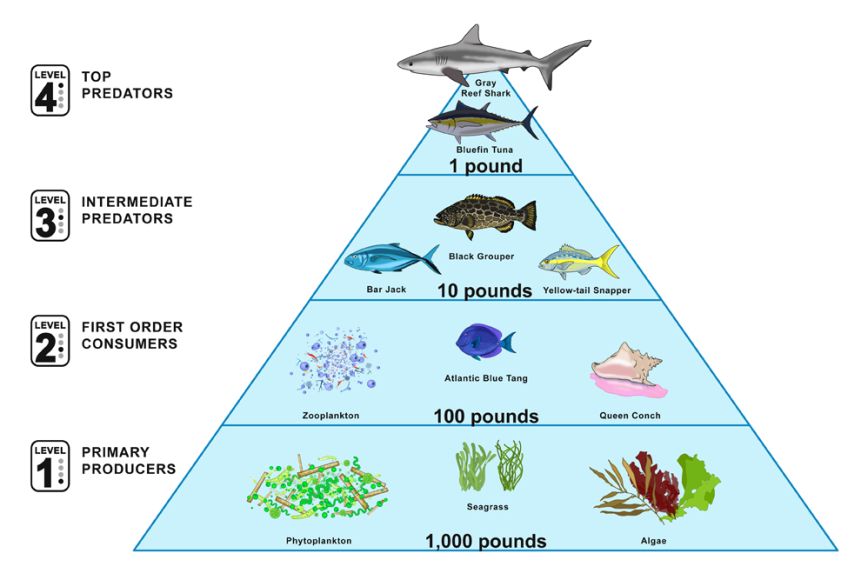
Energy Pyramid: Whenever we consume food, we do not use up all the energy available in that food. Some of it is wasted. For example, plants use the energy from the sun to produce their food. However, when herbivores and omnivores eat the plants, they cannot be able to extract all the energy. In fact, only about 10% of energy is transferred from one level of the food chain/web to the next. An energy pyramid is a representation of the energy transferred from one level of the food chain to the next, with producers at the base of the pyramid.
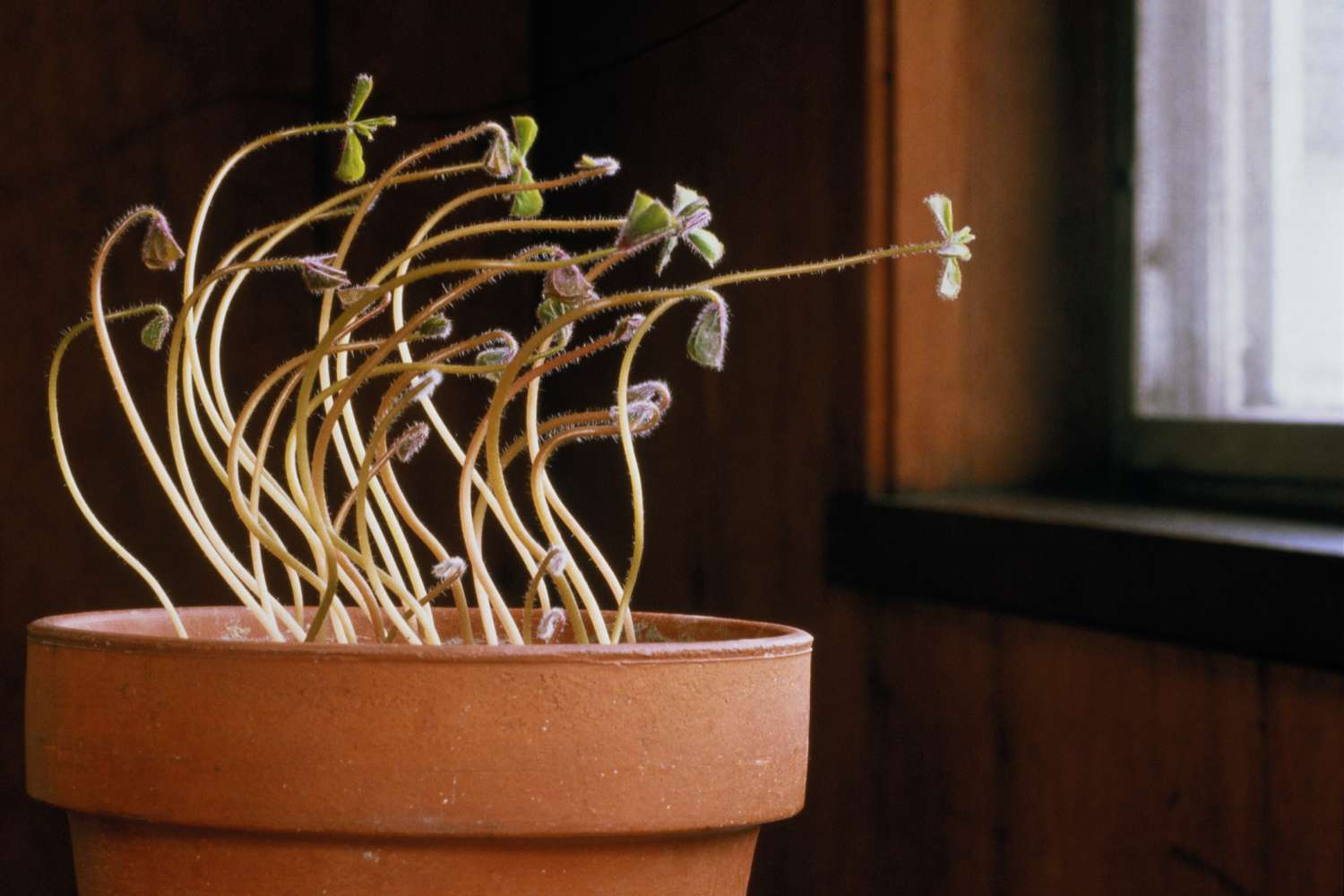
Plants can respond to their environment, even though they cannot move. A stimulus is something in the environment that can be detected/sensed by living organisms and can cause the living organismm to respond.
Plants can respond to light, water and gravity. They respond to light by growing towards the source of light. Plants roots can also grow toward a water source. Plants roots also grow in the same direction as the pull of gravity.
The response of a plant to something in the environment is called Tropism.
Living organisms develop adaptations to be able to survive in the environment where they are growing. For example, pine trees are adapted to living in the cold winters without losing their leaves. Some tree species are adapted to living in cold weather but they lose their leaves during fall. The cactus is adapted to living in the desert because it has soft tissue that holds water like a sponge. We have already discussed how various seeds have developed adaptations to enable them to be dispersed.
Researchers use clues from fossils to learn about the Earth's past. A fossil is evidence of an organism that lived long ago. Fossils also inform us of the ecosystems of the past. For example, you might observe marine fossils in a place that is no longer an ocean might indicate that that location was once an ocean.
Most fossils form in layers of sedimentary rocks. When an animal or a plant dies, the soft parts quickly rot or may be eaten, and the hard parts of the animal/plant last longer. These hards parts include bones, seeds, seed pods, shells, teeth, and wood. These hard parts are more likely to become fossils.
Molds and Casts
Shells leave behind fossils known as molds. A mold is a hollow form with a specific shape that forms when water sips into the spaces of the rock where an organism is burried. The water washes the shell and leaves a hollow space called a mold. If minerals build up inside the mold it forms a fossil called a cast.
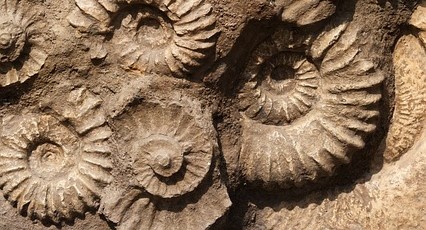
Another kind of fossil is called an Imprint fossil. This is when the body or body part leaves behind an imprint by pressing on a surface. It could be a footprint, leaf imprint or a body outline.
A stony fossil occurs when wood or bones become petrified into stone. The organism becomes a solid rock fossil.
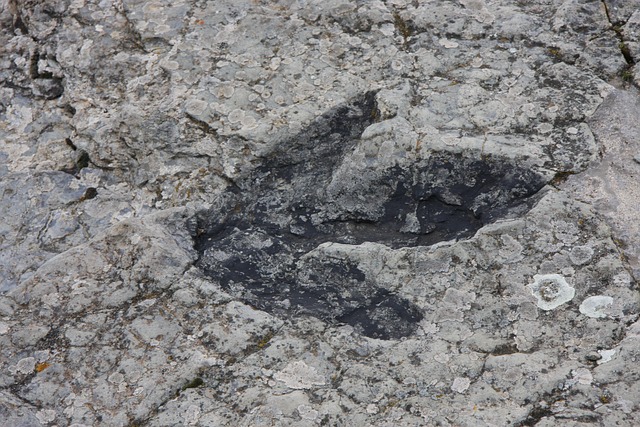
Geological time: Geological time refers to the number of years, usually in millions or billions, that the earth or a sample obtained from the earth has existed for. We can use geological time to define the age of fossils or other samples obtained from the earth. It defines the earth's history.
Rock layers: Sedimentary rocks are formed by several layers of sediments that harden over time to become rocks. You expect that layers that are at the bottom were formed earlier, therefore are older, than layers that are ontop.
Fossil Fuels
A fossil fuel is a type of energy that formed millions of years ago from the remains of buried trees, plants and animals. Fossil fuels are non-renewable resources because once they are used they cannot be created again. Some fossil fuels are harvested in a crude form and need to undergo a refining process for them to be useful. Once refined, fossil fuels have to be burned for them to release energy. When fossil fuels are burntto produce energy, they also release some gases that have harmful effects to the environment.
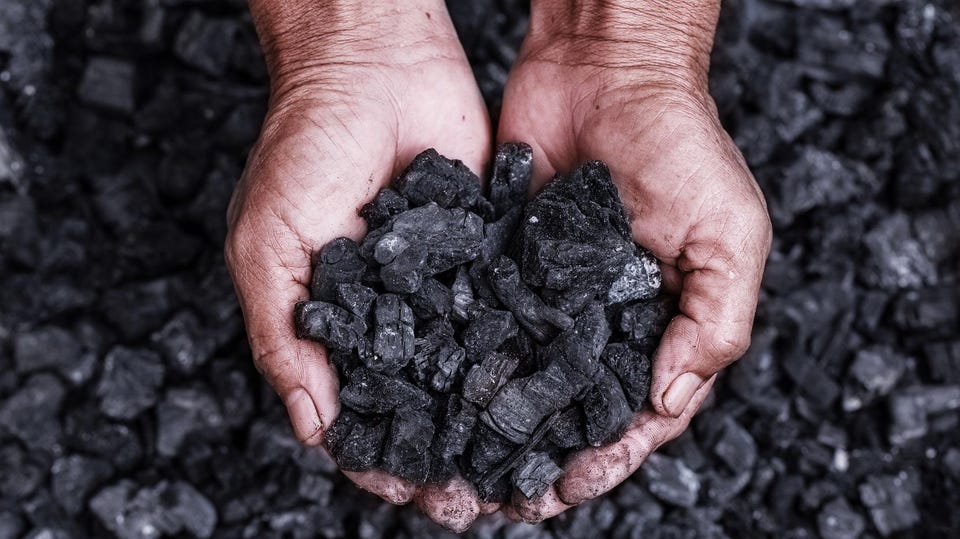
Coal is one of the most important fuel sources for heating houses and was also common is steam engine trains and other types of engines. Coal is a fossil fuel that was formed about 300 million years ago after the death of several trees and plants. In those years, there was heavy vegetation in some parts of the earth with huge trees measuring over 20 meters tall. A sudden change in the climate resulted in those trees dying and over time were converted into coal and other types of fossil fuels. You will learn more details about this process in grade 5 and 6.
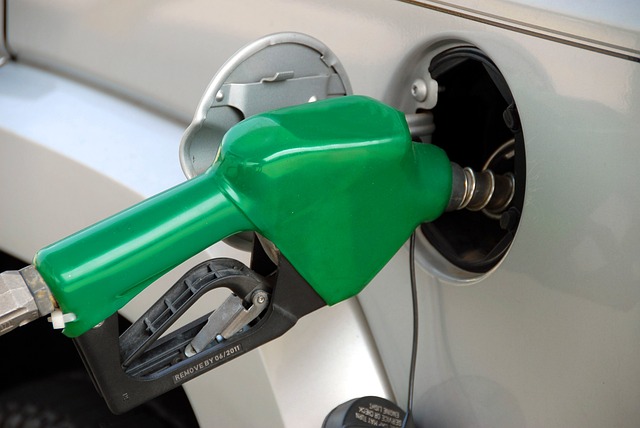
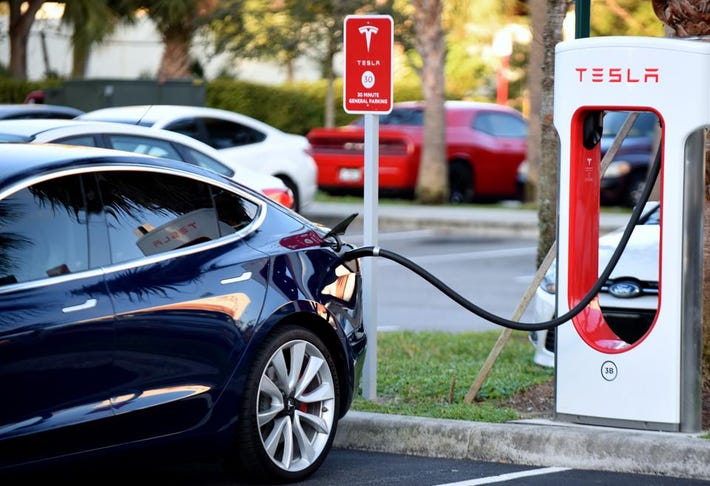
Alternative Energy Sources: Because fossil fuels are non-renewable and cause air pollution, there is need to identify and utilize energy sources that are environmentally friendly. Scientista re always looking for other ways to produce energy.

Extinction:
When the climate changes too significantly, some living things fail t adapt to the new environment and they die and disappear. This is called extinction.
When the number of individuals in a species becomes too small, that species is said to be endangered. Endangered species are at a high risk of becoming extinct if their numbers reduce further and more of them are dying than the numbers being reproduced.

Viwed from space, you can observe many natural features on the earth's surface. These features are called landforms. The tallest landforms are mountains. Valleys are low lying areas between mountains. Plains are mostly flat areas lacking hills or valleys.
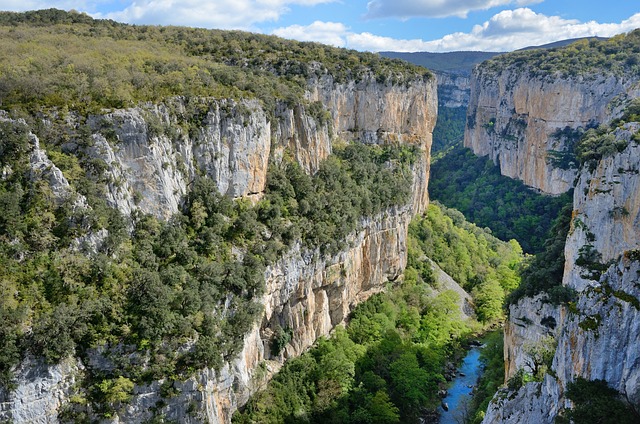
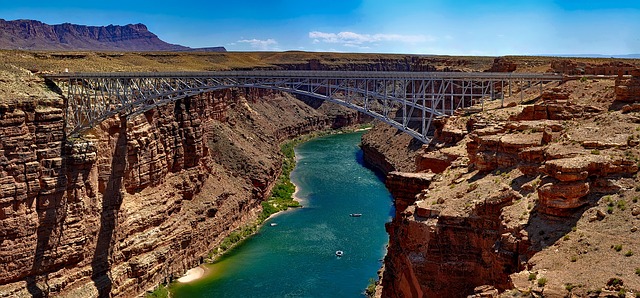
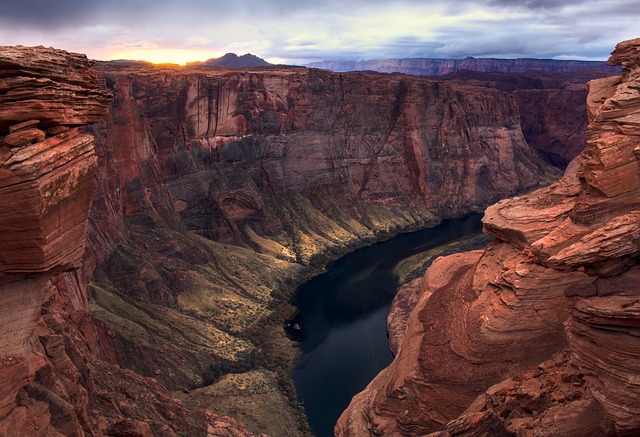
Some landforms are shaped by the flow of water. Water creates small channels or larger gullies and even heavier flow of water over a long period can create valleys. V-shaped valleys are called Canyons and tend to be deep. The Grand Canyon is over 1km deep.
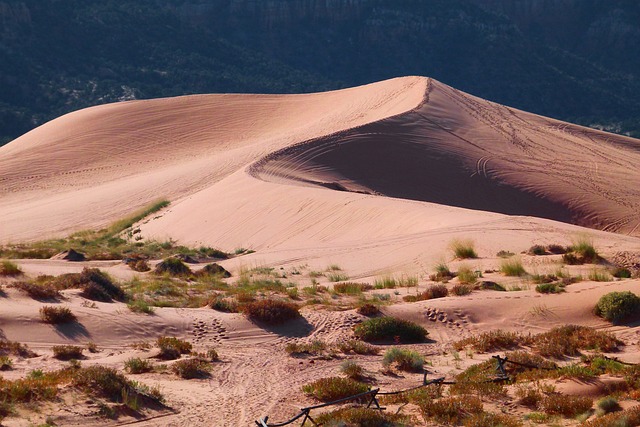
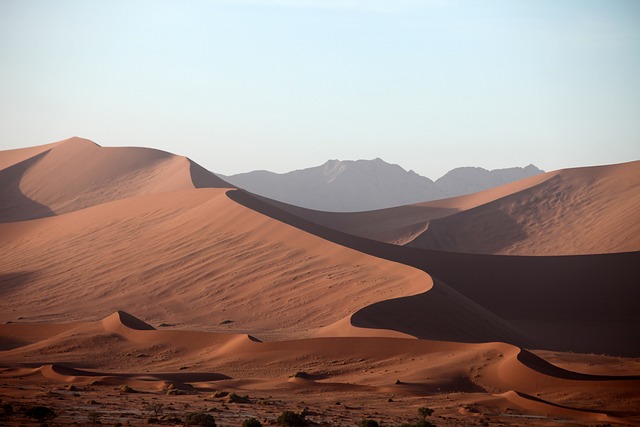
Wind can also result in landforms when it carries and deposits sand in different places, such as sand dunes.
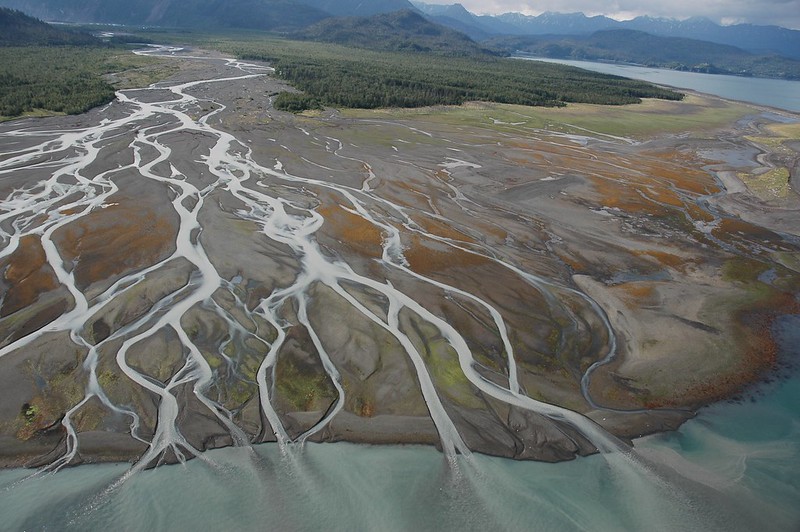
River Delta: When a river nears an ocean and the land is more flat, the spead of the flow of water reduces and drops off bits of sand and soil. This region is called a delta.
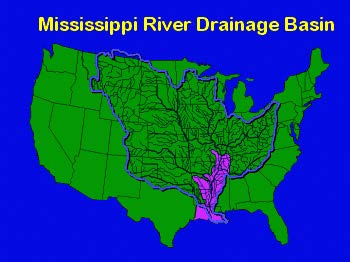
Drainage Basin: Some rivers empty into channels. A drainage basin is the area of land drained by flowing water. The image here shows the drainage basin for the Mississipi River in USA.
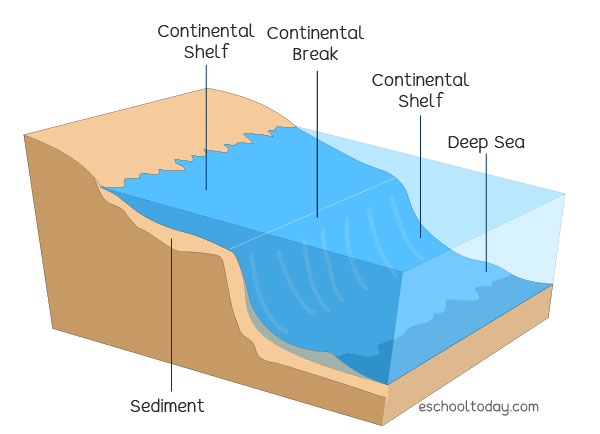
Continental shelf: is the land conecting the shore of the ocean to the sea. Past the continental shelf is an area called continental slope. This is the steeper part of the continent that slopes towards the ocean floor.
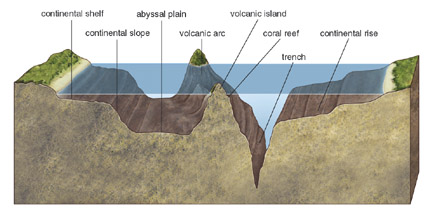
Most of the ocean floor is flat and without features. Long mountain ranges, though, stretch through the middles of some oceans. These are ocean ridges. The ocean floor is spotted with undersea volcanoes, too. Deep trenches can cut far into the ocean floor.
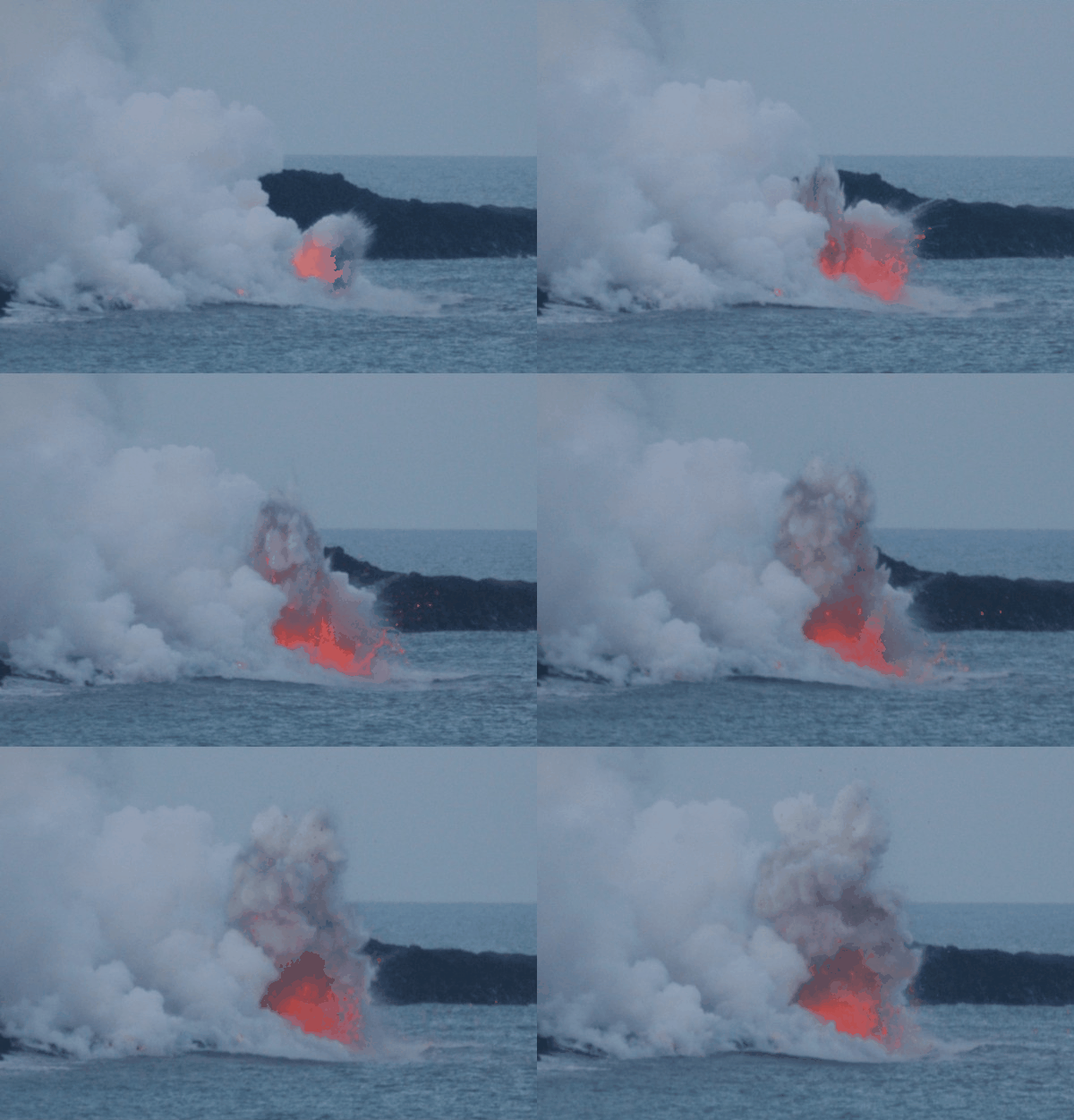
Here is an animation of a volcanic eruption in the ocean.
Earth's Interior
The earth's interior is made up of 4 main layers as follows:
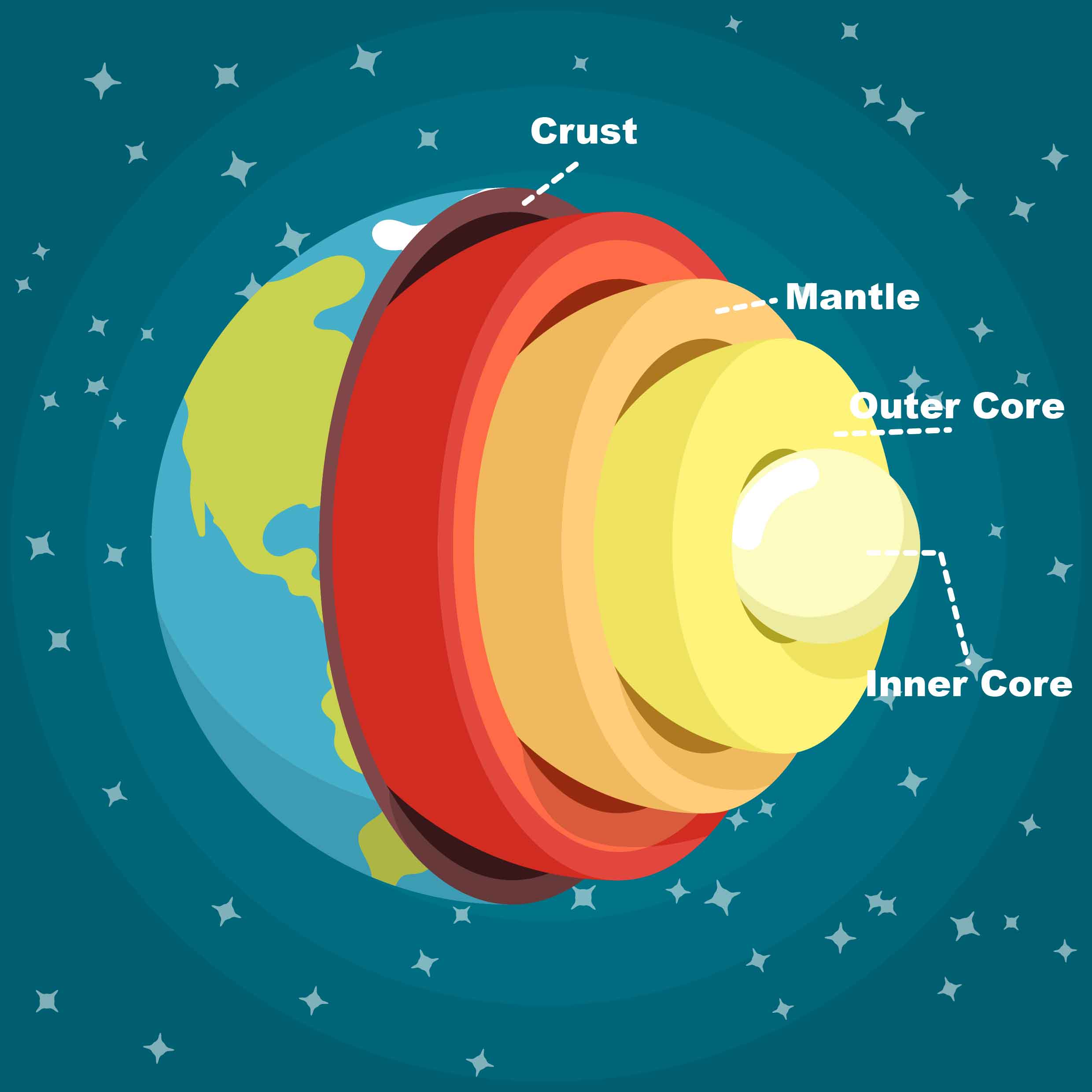
The earth is made up of large plates of rock. These plates are made of the crust layer of the earth. When the mantle flows, the plates move. The movement of the plates happens slowly so we cannot feel the actual movement, but the effects of this movement are huge.
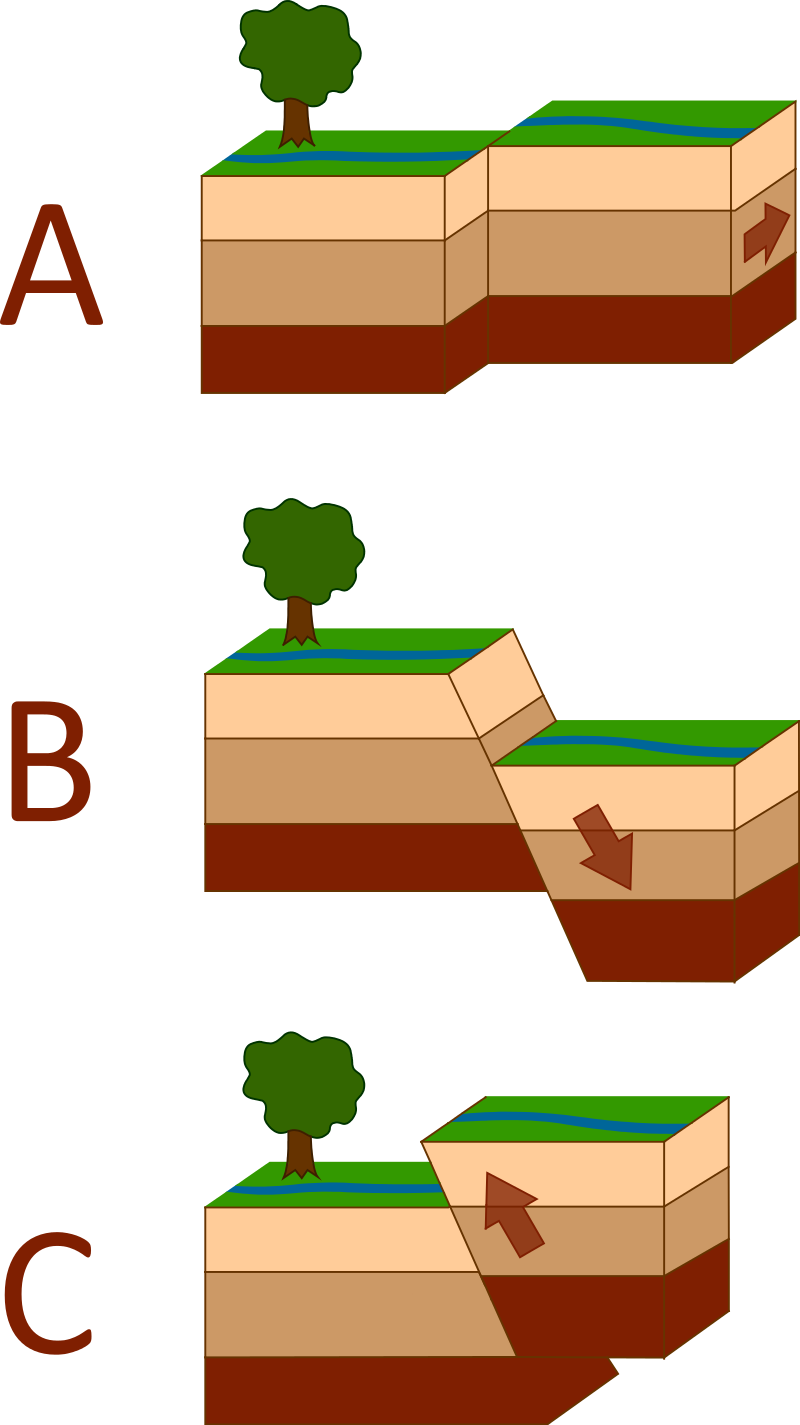
Faults: Some plates slide past each other from side to side. The place where they rub is called a fault. A fault is a long, narrow crack in the crust. A plate on one side of a fault can slide up while the other slips down. Rising plates can form faultblock mountains. If the lifting is spread over a wide area, a plateau may form. A plateau is a high landform with a flat top.
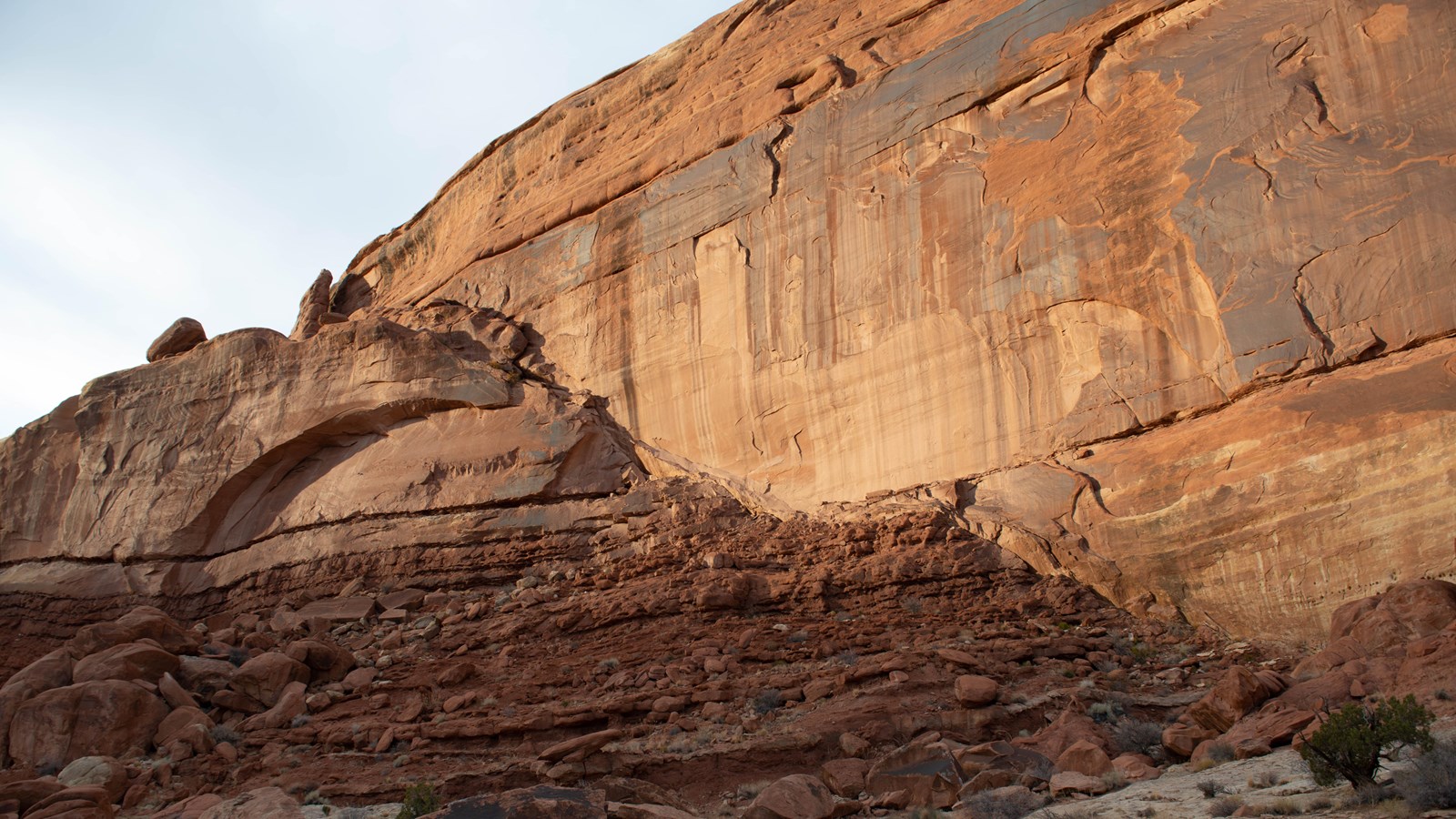
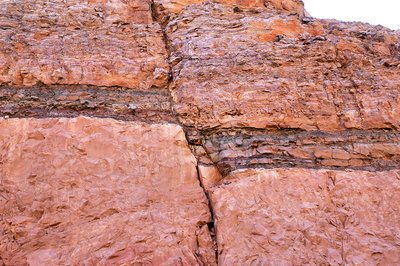
Folds: Some plates meet at the edges of continents. If the land scrunches up between them, a fold forms. A fold is a bend in the rock layers. If the land keeps scrunching, a fold becomes a mountain. A mountain is a tall landform that rises to a peak. As time passes, wind and rain can break off bits and pieces.

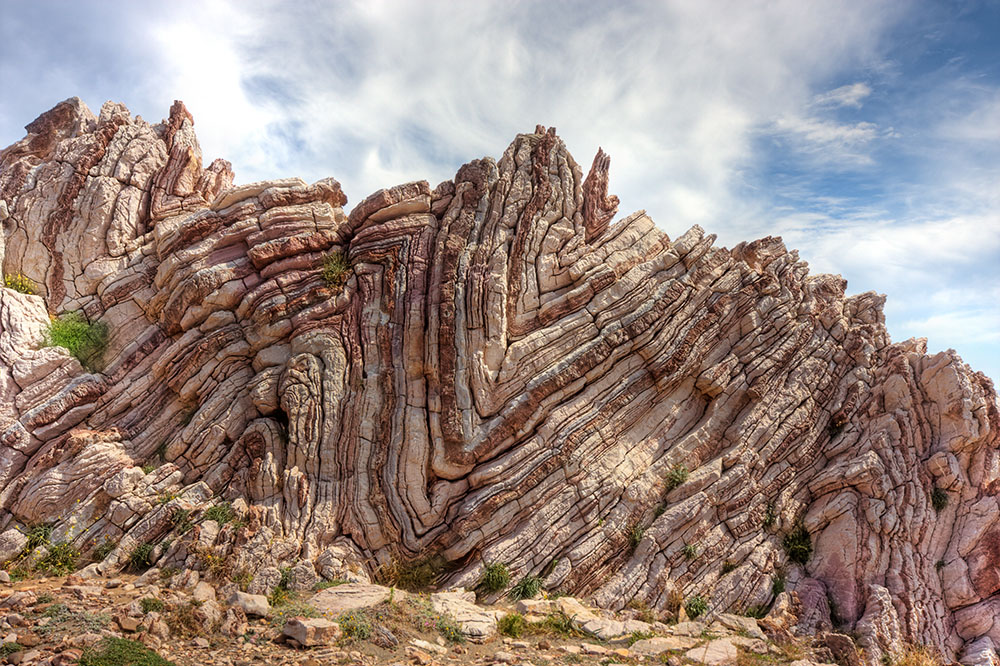
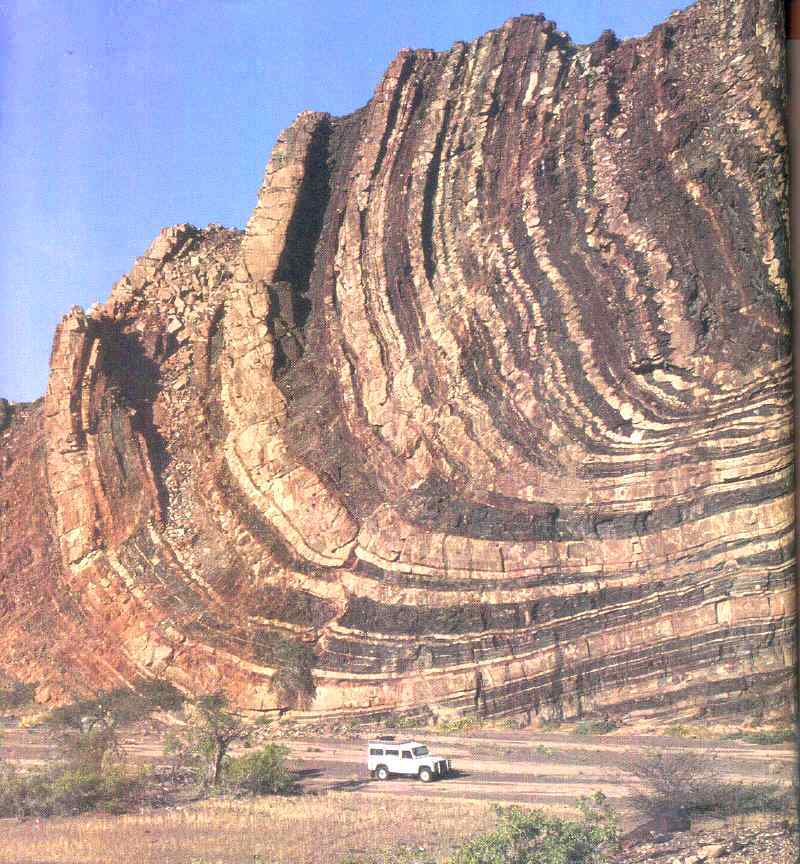
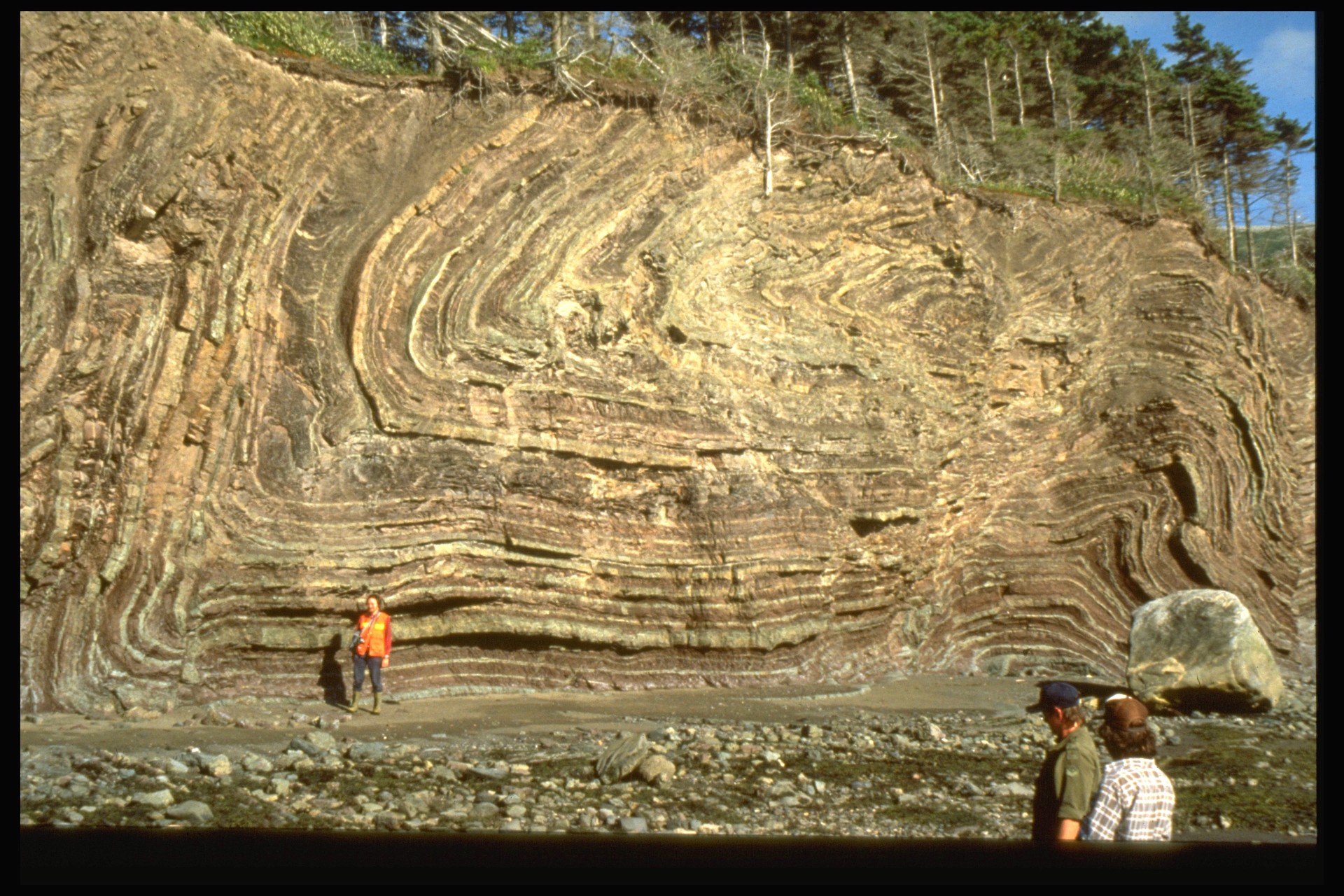
Earthquakes: An earthquake is a sudden shaking of Earth's crust. It is caused by plates moving along a fault. When the plates slide against each other, energy builds up in the rock. Earthquakes are common in places with active faults, like parts of Alaska and California. An earthquake starts below the ground and the sudden plate motion shakes the crust. The vibrations move through the crust in all directions.
When earthquakes occur in the ocean the effect depends on how severe the quake was, it might range from a simple increase in ocean waves to a more devastating Tsunami.
Any movement of the plates can cause a vibration. Seismic waves are the vibrations caused by earthquakes. Scientists measure seismic waves with an instrument called a seismograph. It shows seismic waves as curvy lines along a graph. The lines show how much the ground shakes. The stronger.
Volcano: A volcano is a mountain that builds up around an opening in Earth’s crust. Sometimes a volcano will force materials from Earth’s interior out of its opening. Scientists call this event an eruption. A volcanic eruption can send out melted rock, gases, ash, or small rocks into the air. Melted rock is called magma. Once magma reaches Earth’s surface, it is called lava. By erupting often, a volcano can build a large mountain. Each eruption adds a layer of lava and ash. The lava and ash cool and harden into rock.
Most volcanoes occur at the edge of the plates where two plates can meet and one plate may sink below the other. at this site, the rock melts into magma and the magma rises to form a volcano.
Volcanoes can also occur far from the edge of the plates, especially if the earth's crust is think. The pressure in the mantle may force the magma to break through the surface.
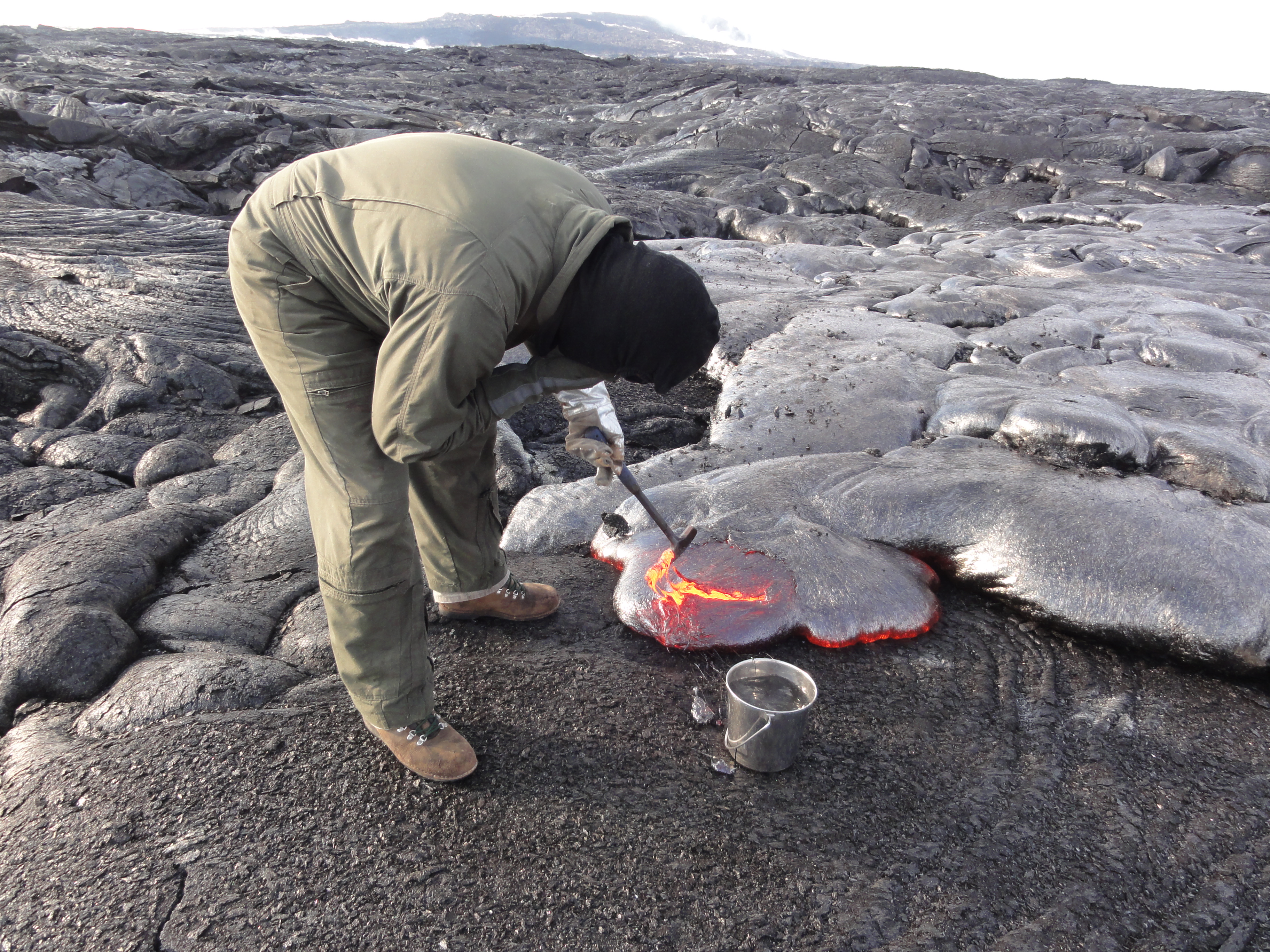
Remember that weathering is the slow process that results in the breakdown of rocks into smaller pieces. Flowing water, rain and wind can all cause weathering.
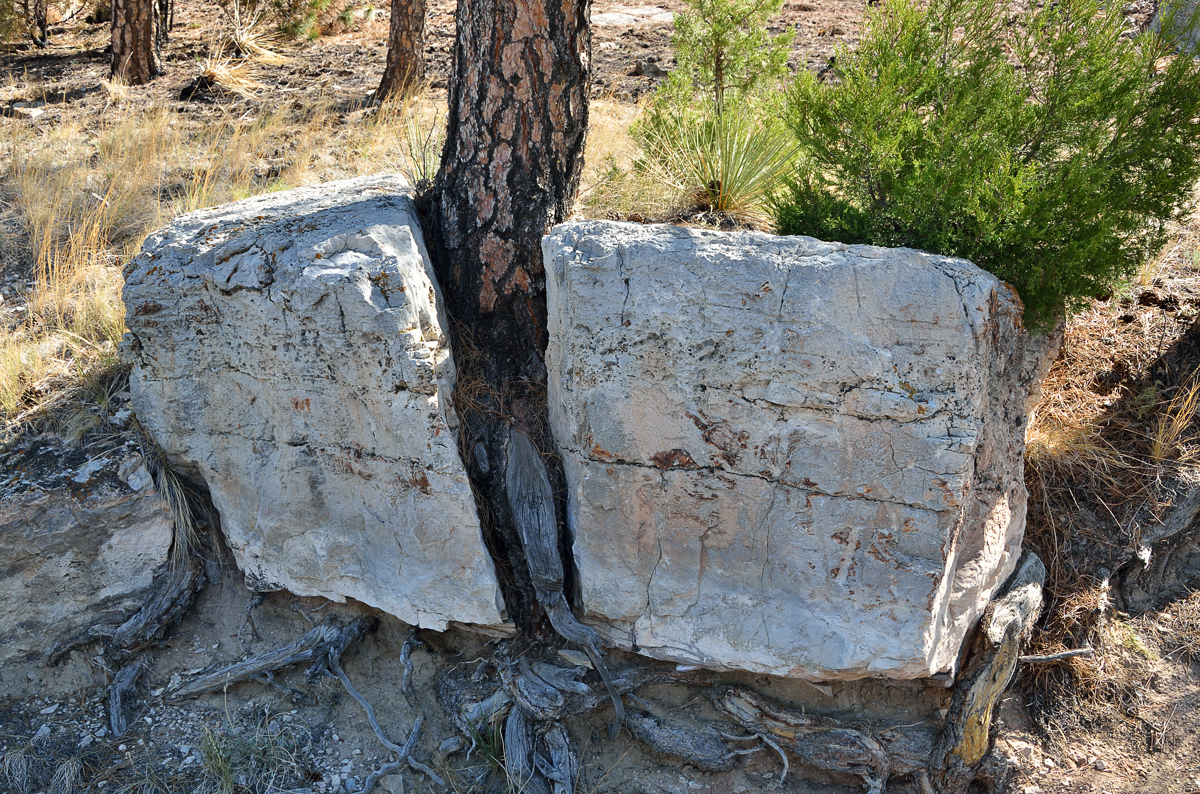
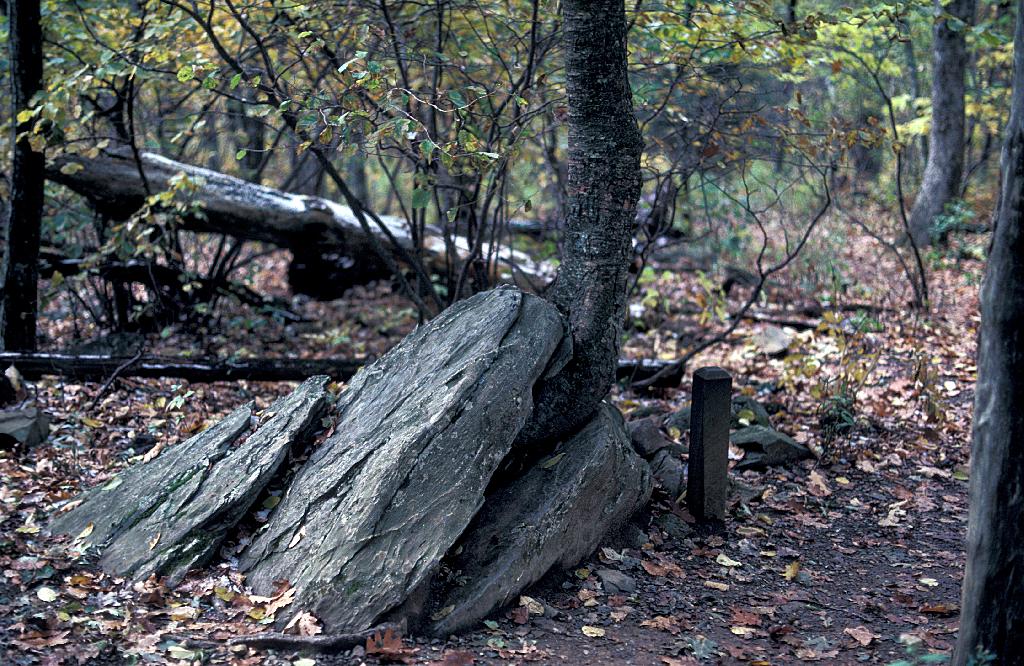
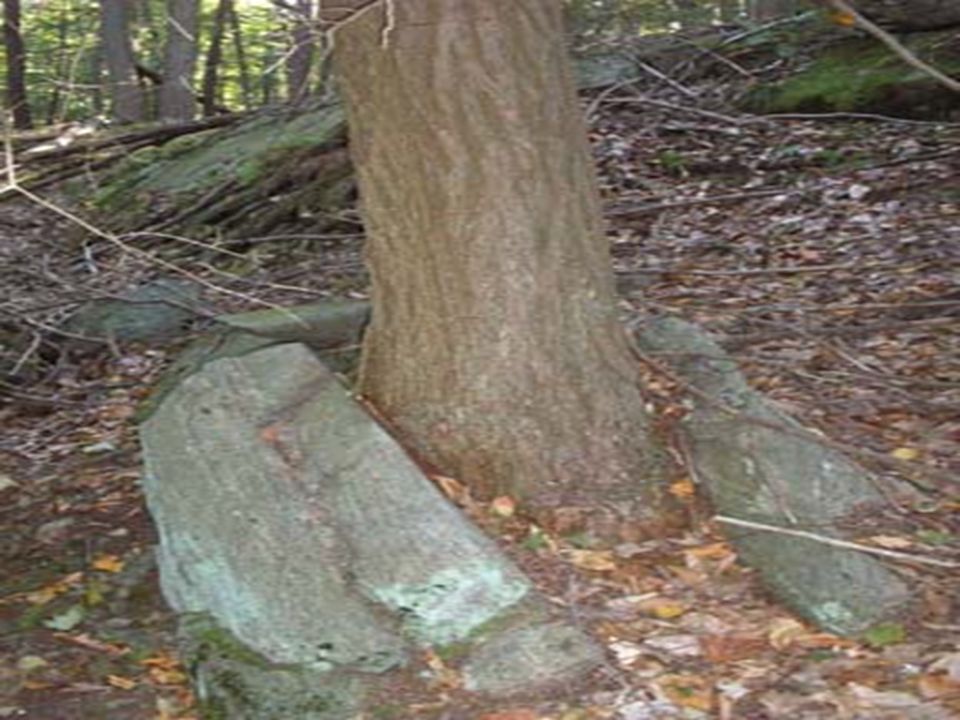
When weathering takes place without any change in the chemical makeup of the rocks, this is called physical weathering. For example, cycles of freezing and melting results in water expanding (ice) and contracting (during melting) and this can cause rocks to crack, or can widen existing cracks. Plants can cause physical weathering when their roots squeeze through cracks in rocks.
Chemical Weathering changes the mineral composition of the rocks. Oxygen, acids and carbon dioxide can all cause chemical weathering. Water can dissolve soluble minerals from rocks and cause the rocks to fall apart.
Biological weathering is another type of weathering where living things cause the weathering. As you can tell, this classification can also fit under physical or chemical weathering.
Erosion is the transport of weathered rocks or soil from one location to another.
Erosion can be caused by flowing water, rainfall, waves, wind and gravity.
Deposition is the dropping off of weathered rock, Deposition by water such as a river results in formation of river deltas, beaches etc. Deposition by wind results in sand dunes.
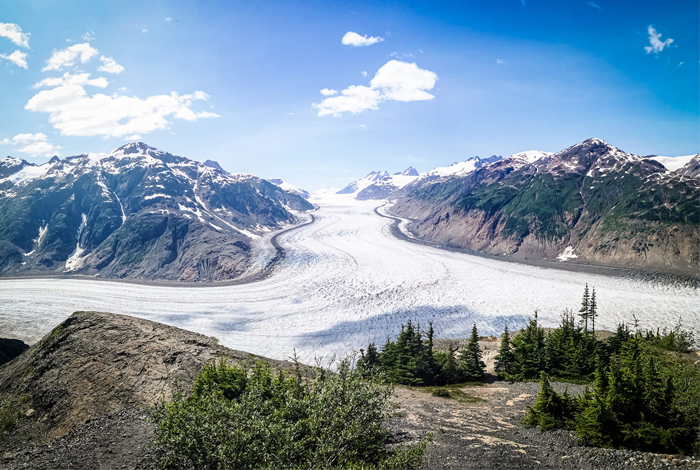
Glaciers: A glacier is a thich sheet of ice that creeps over land. Glaciers form where snow collects quickly and melts slowly. Year after year, the snow builds higher. The weight on top of the mound puts pressure on the snow below. The bottom of the glacier slowly turns to ice. Melting makes the bottom of the glacier slippery. It begins to flow downhill. The bottom and sides freeze onto rocks. As the glacier continues to move, it tears rocks from the ground. It scratches, flattens, breaks, or carries away the things in its path. A glacier can make a valley wider and steeper. Glacial debris can be made of large boulders or small rocks. They can have bits of gravel, sand, soil, and clay. The glacier drops most of this debris at its downhill end, or terminus. Materials that a glacier picks up or pushes can forms mounds. These mounds are called moraines. Today, you can find glacial till and moraines across Canada and northern parts of the United States.

Human Activities: People shape the land through various activities such as mining, deforestation, garbage/waste disposal. These activites may make it easier for other processes to occur. For example, deforestation makes wind erosion easier to happen because once the trees have been removed, the soil is exposed and no longer protected and it can be eroded more easily.
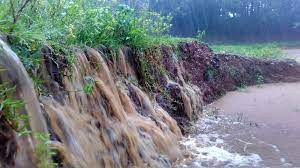
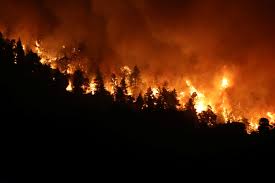
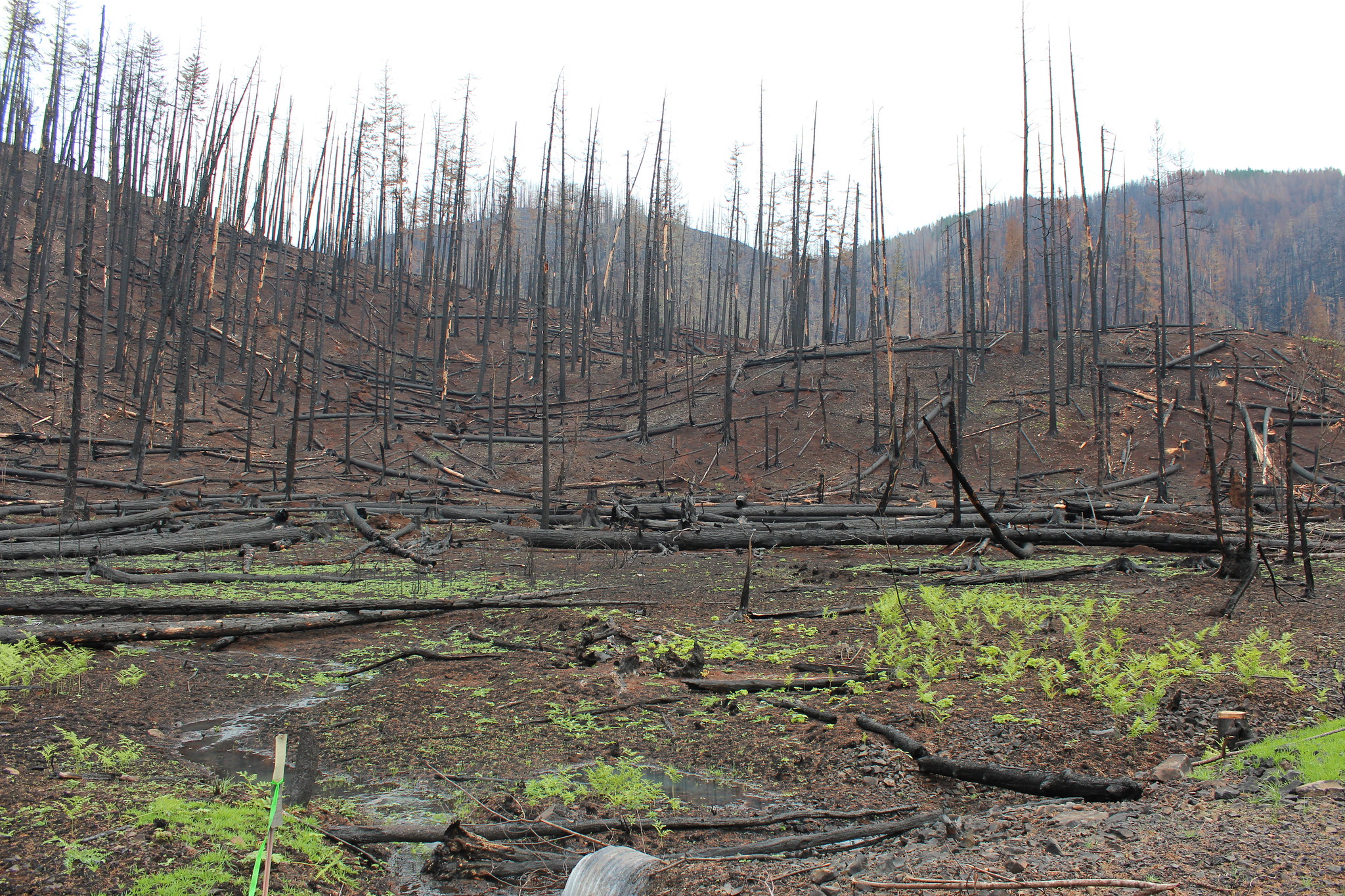
Weather can change quickly and can cause quick changes to the land. Most of these changes tend to be devastating, because most of the weather changes are extreme and the land and people are usually not well prepared for these events.
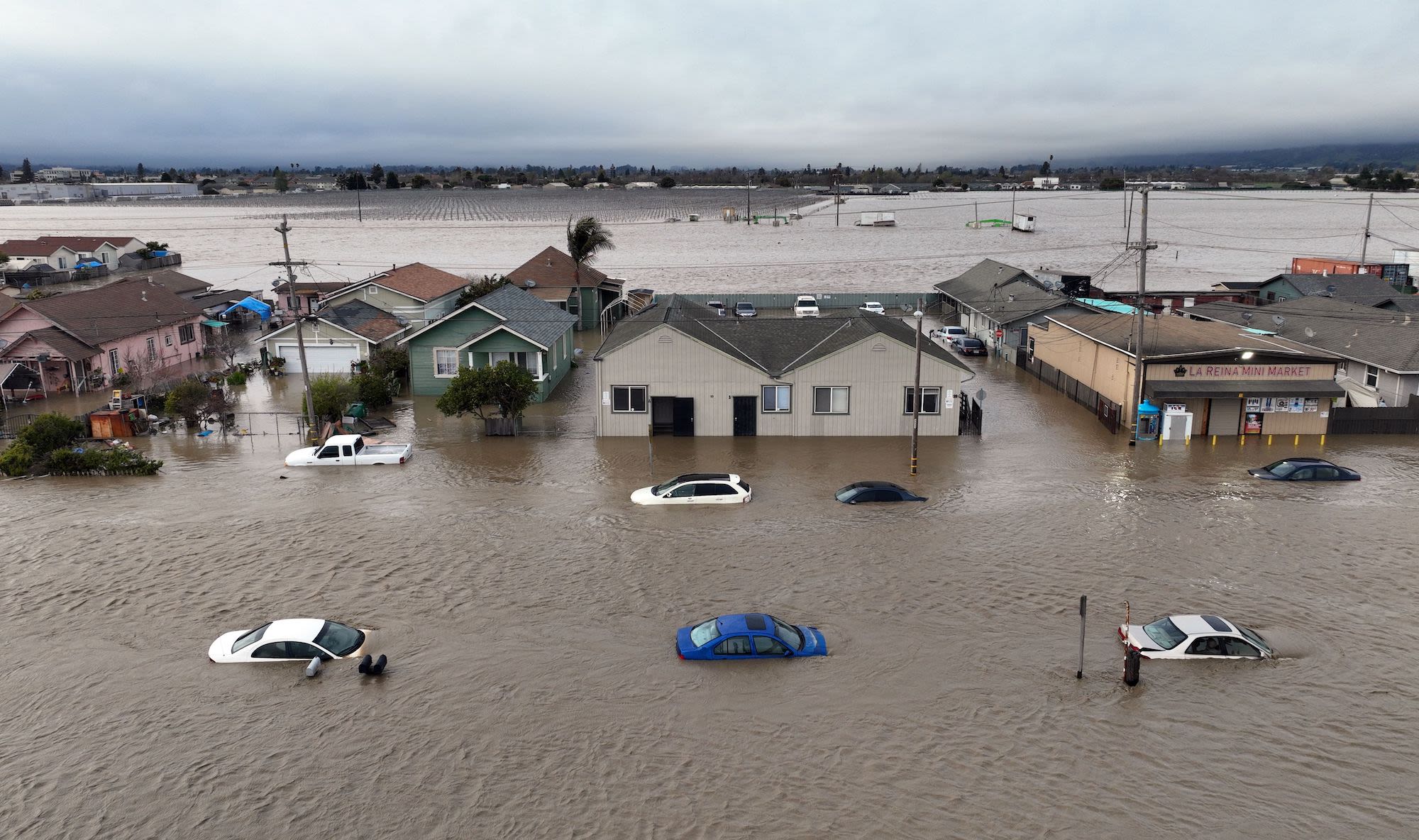

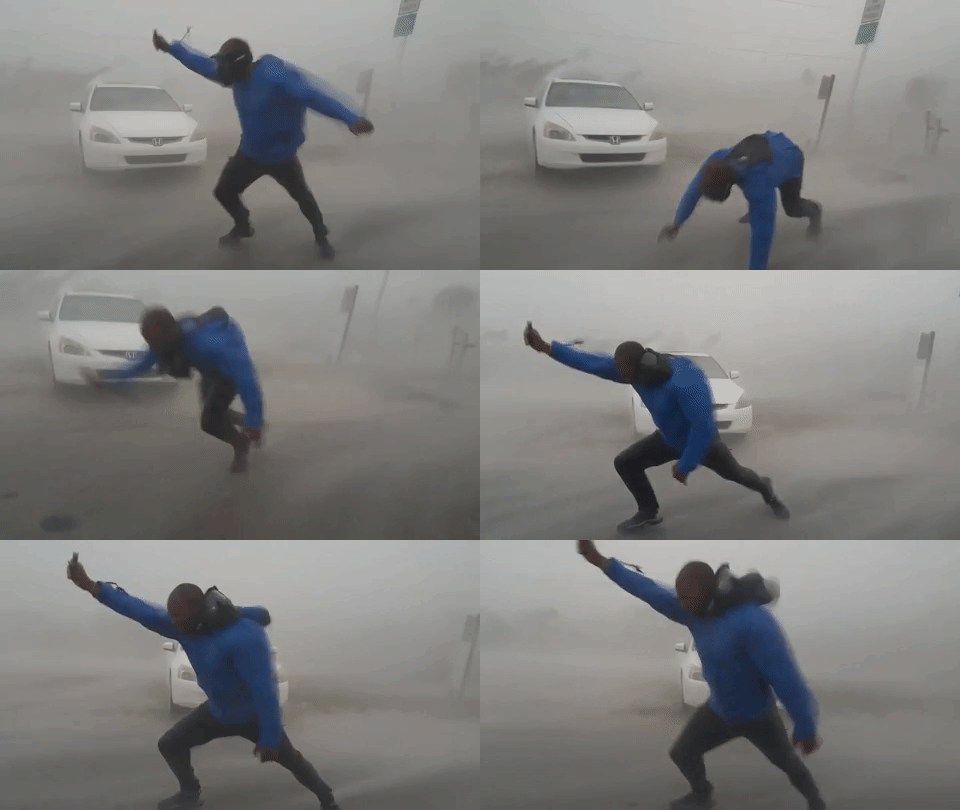
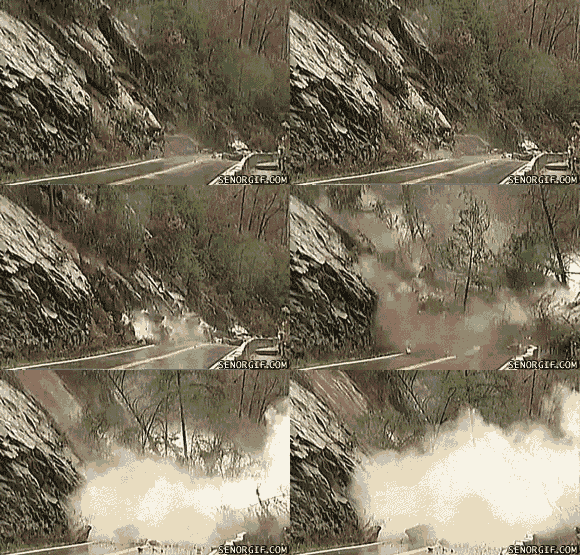
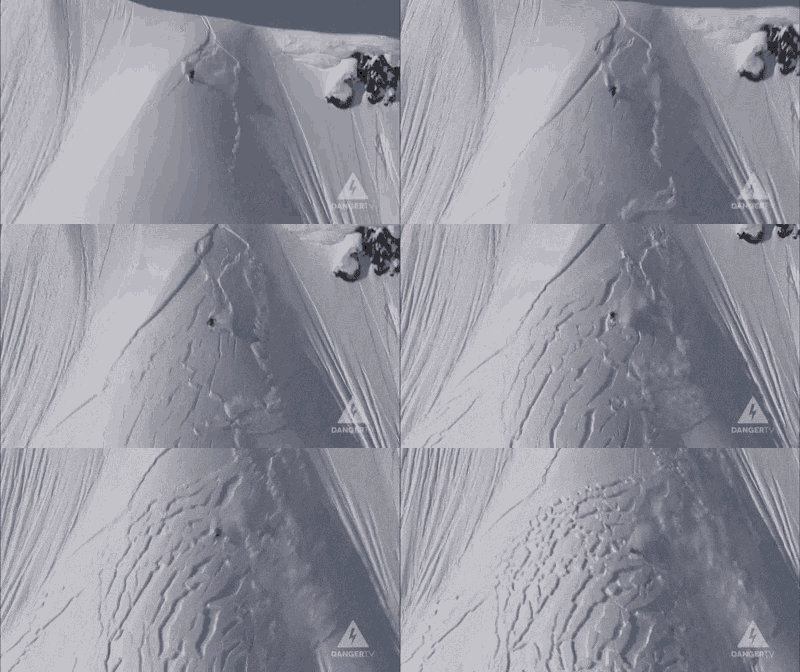
Air is a mixture of gases that surrond the earth like a blanket. This layer is called the Atmosphere
The air on earth consists of three main gases, Oxygen, Nitrogen, Carbon dioxide and water vapor. Without these gases, there would be no life on earth.
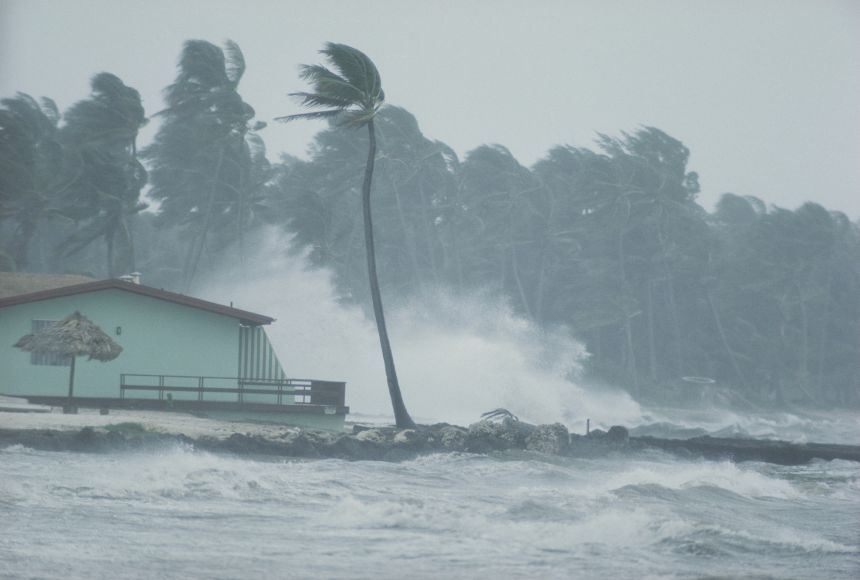
Air that moves from place to place is called Wind. wind can be gentle and can also be strong and destructive.
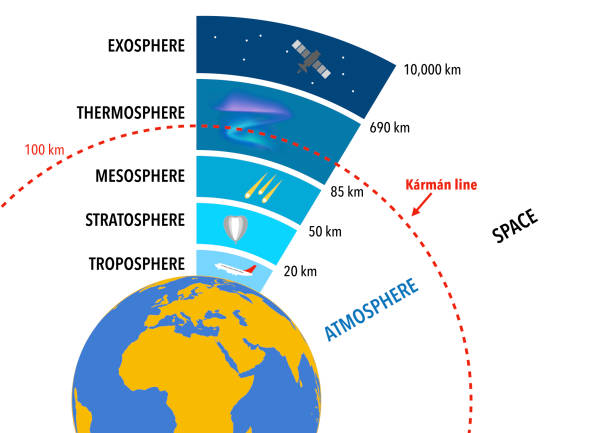
The earth's atmosphere is made up of several layers. The layer closest to the earth surface is called the Troposphere. This is a thin layer but all of life lives in this layer. The Stratosphere is located above the troposphere. Temperatures here are a bit warmer than the troposphere.
Properties of Weather Weather is the condition of the atmosphere at an given time and place. Some of the properties of weather include:
The water cycle is made up of three manin processes.
Evaporation
When water heats up, some of it changes into a gas called water vapor. This process is called evaporation.
Water evaporates from lakes, oceans, rivers, ponds and other water bodies.
Water can also evaporate from the surface of leaves in a process called transpiration.
Condensation
The water vapor travels in the air. As it rises into the air, it cools down and turns back into a liquid. The change from gas to liquid is called Condensation.. If many water droplets in the sky come together they form clouds. A cloud is a group of water droplets in the atmosphere.
Precipitation
The water in the clouds and the water vapor in the air will then fall down to the ground as rain or other kids of precipitation.
Precipitation refers to any liquid or frozen water that forms in the atmosphere and falls back to the earth. It comes in many forms, like rain, sleet, and snow.
If its too cold, the water droplets in clouds will freeze into ice. Freezing refers to the change from liquid to solid.
When it rains, water flows on the surface of the earth as runoff. Runoff gathers in rivers, lakes and oceans.

Clouds
There are different kinds of clouds and each type means a different type of weather may be coming.
Cumulus clouds are small, white puffs. They may also appear in long rows.
Cirrus clouds are thin clouds very high in the sky. They are made of ice.
Stratus clouds are often low in the sky. They come in sheets and cover the entire sky.
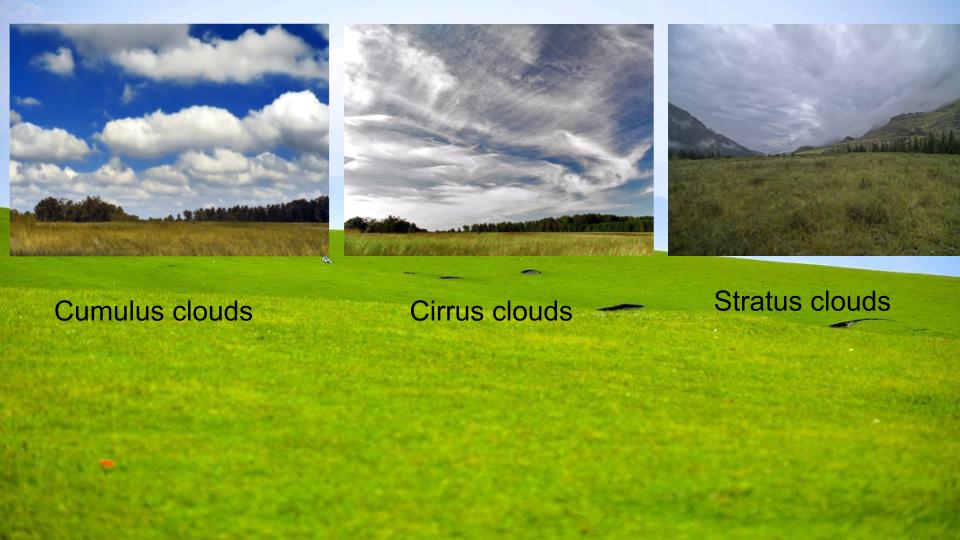
You may have seen clouds grow dark before a rainstorm. If a cumulus cloud becomes dark and thick, it is called a cumulonimbus cloud. This type of cloud can result in precipitation.
Snow
Water freezes at 0°C. When it is cold in the atmosphere and the water vapor freezes and becomes heavy, they fall as snow. The snow may melt as it falls on the ground. Melting means changing from solid (ice) to liquid (water).
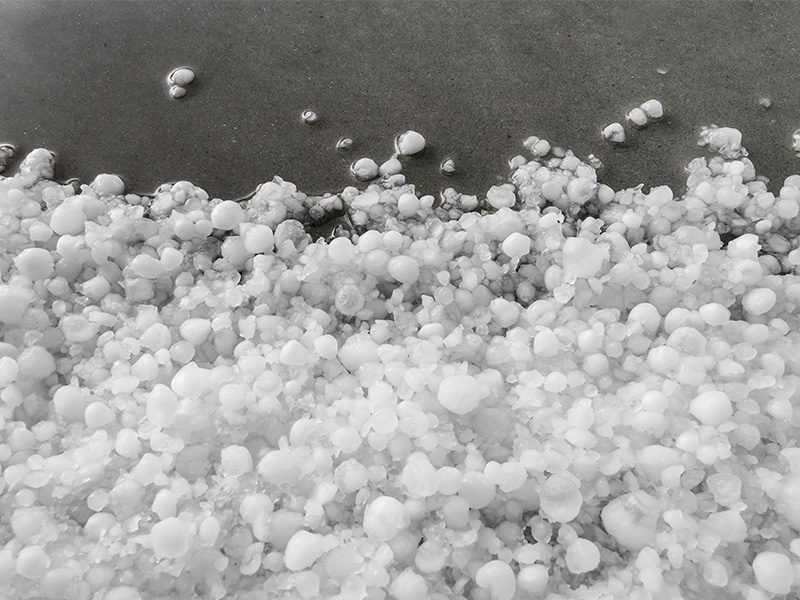
Hail
When rain falls as a liquid but freezes along the way, it turns into small chunks of ice called sleet. When these chunks of ice are larger, they are called hail. Usually, hail occurs together with a thunderstorm. Hail ranges form the size of a pea to large chunks the size of a baseball.
Some parts of Hawaii, India and Africa receive the highest rainfall in the world. However, other parts of Africa and South America are among the driest places on earth. The Atacama desert in South America is the driest place on earth. Several other deserts exist in North America, Africa and Asia. How can we explain the differences in the amount of precipitation?
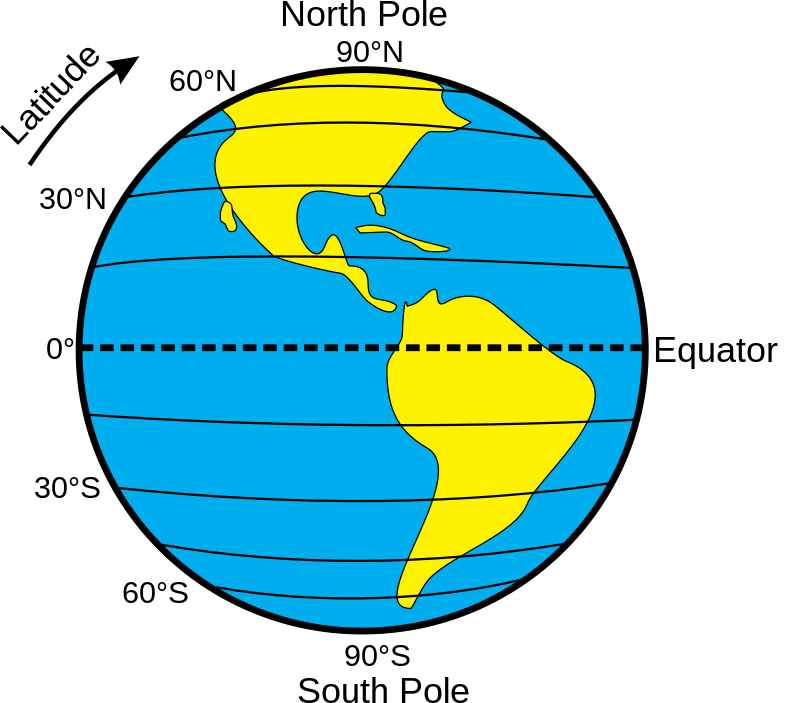
Air Masses: An air mass is a region or an area where the air has the same properties. The weather in these regions is also the same and the air mass behaves as one unit. Air masses usually form at the poles of the equator and move across the earth covering it like a blanket.
As air masses move, they bring weather along with them. When two air masses meet, the area where they meet is called a front. A front, therefore, is the boundary between two air masses that have different temperatures. Because of the temperature difference, fronts result in a change of weather where they occur.
When a warm air mass meets a cold air mass, a warm front forms. The warm air moves up above the cold air and layers of clouds are formed. A warm front usually causes light steady rain.
When a cold air mass pushes under a warm air mass, thick clouds form as the warm air rises and cools. This results in stormy weather.
A stationary front occurs when air masses are not moving. This results in rainy weather lasting for several days.
Weather Forecasting
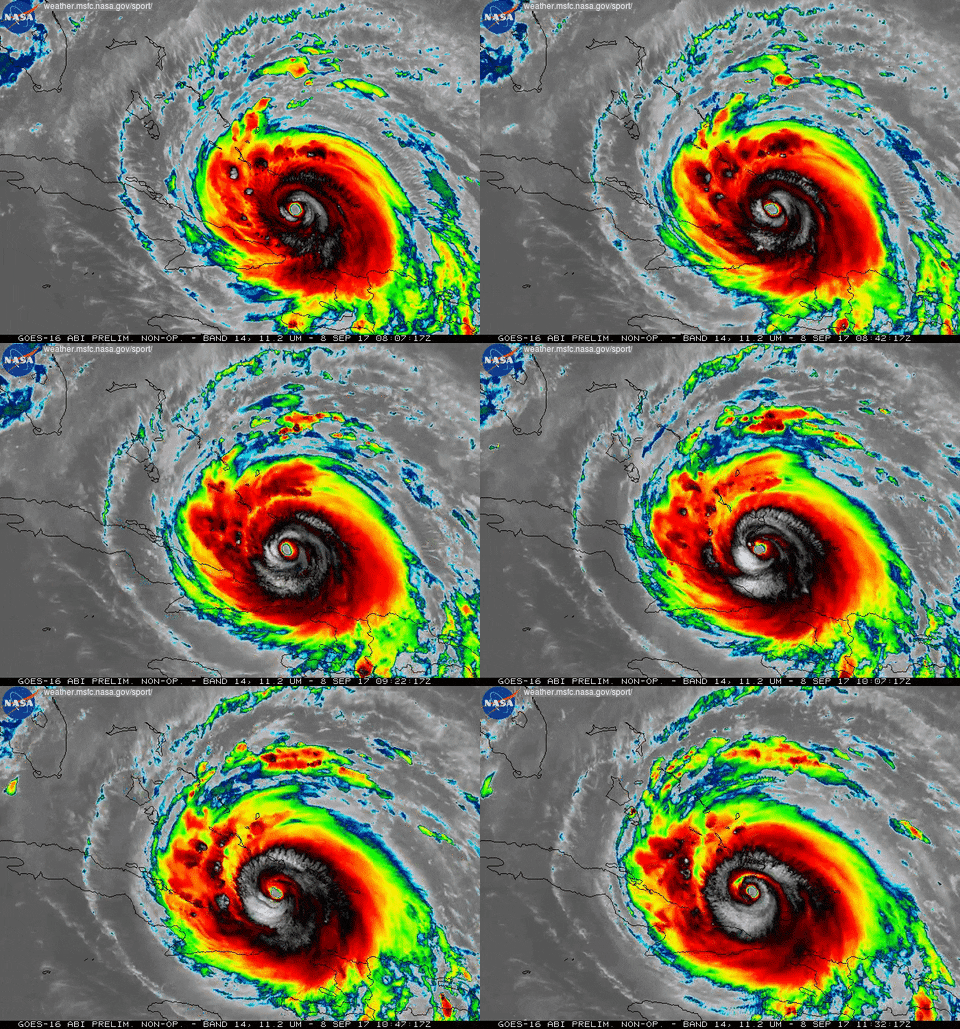
Forecasting is to predict. Weather forecasting attempts to predict how the weather conditions will be at a future date. Scientists use many technologies in forecasting. Satellites in orbit around Earth take pictures of the atmosphere. Computers help scientists analyze weather data and produce better weather maps.
Extreme Weather:
Thunder is the loud sound you hear during a thunderstorm and is made when lightning heats the air around it quickly.
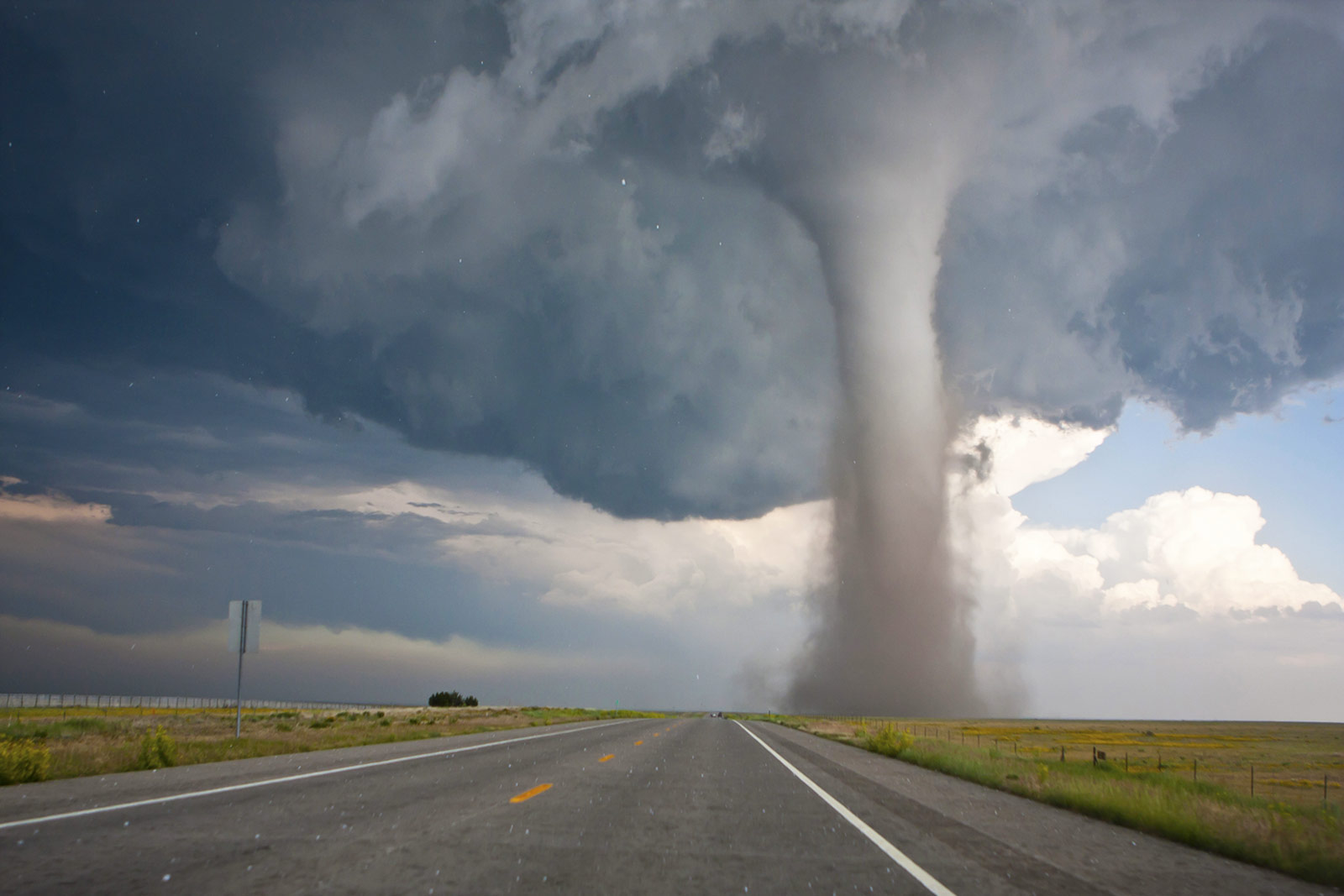
A Tornado is a rotating column of air that touches the ground during a thunderstorm. it can be dangerous so when you see a tornado, or suspect a tornado may be approaching, you need to take cover.
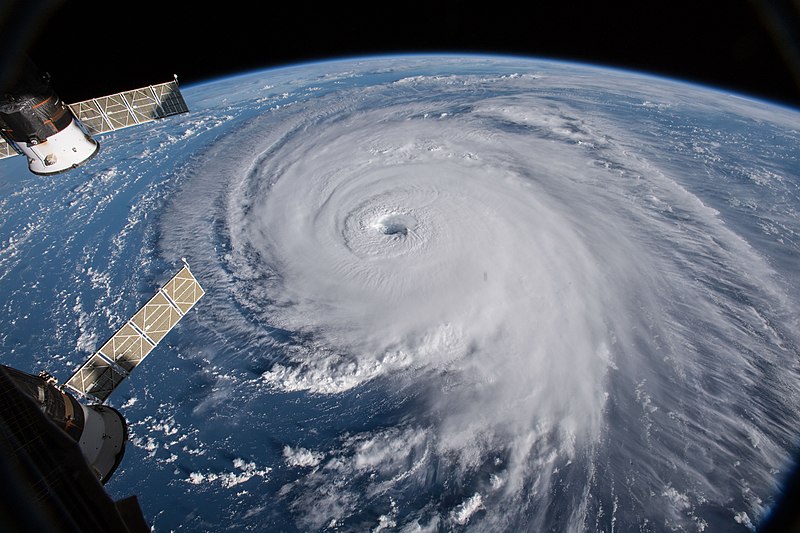
Hurricanes form over warm water in the ocean. They result in heavy rains and strong winds.
If thunderstorms are predicted in the weather, stay away from water and trees. If tornadoes are predicted, stay in a sturdy shelter such as a basement. In any storms, always listen and follow the directions provided by your local authorities.
Climate is the pattern of weather that can be observed in a specific place year after year. Different parts of the earth have different climates. Climate can be described using words like warm and dry, cold and snowy, cool and wet, etc. Farmers depend on climate to decide which crop to grow and when to grow. Some crops do well in dry areas and others need a lot more rainfall to grow.
Climate Regions: Climate areas are areas which have similar patterns of temperature, humidity, precipitation and wind. For example, Polar regions tend to be cold, and have low precipitation. Tropical regions lie close to the equator and are warm, humid and rainy. Temperate regions are in between polar and tropical. Temperate regions have four seasons (Summer - Fall - Winter - Spring). Other temperate regions have more like two seasons, a wet and a dry season.
Factors that affect Climate

Matter is anything that has mass and occupies space. your pencil, your snack, the water inside your water bottle, the bircks used to make your classroom, the juice inside the juicebox... all these things are made of matter. However, light, heat and sound are not matter, because they dont occupy space.
We can describe matter using its properties. A property is a characteristic that you can observe for example, color, shape, size etc are some of the characteristics.
Mass: mass describes the amount of matter in an object. You can measure mass using grams (g) or kilograms (kgs). Mass is measured using a tool called A balance. A balance measures the mass by comparing the object to another object of known mass.

Volume: volume is a measure of how much space and object occupies.
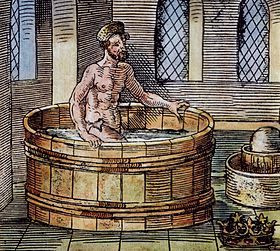
Once upon a time, there was a king who wanted to know the volume of his golden crown. He had given some gold to his goldsmith to make the crown but he was suspecting that the goldsmith had carved away some gold and replaced it with silver. Knowing the volume of the crown would help the king to know for sure if the goldsmith had stolen some of the gold. So the king started looking for a scientist who would find a way to measure the volume of the crown. A scientist called Archimedes heard about the King's problem and wanted to help. Now, Archimedes was a genius. Considering he was born almost 300 years before Jesus was born, he was definitely a very smart man. He made many scientific discoveries and is considered one of the greatest scientists to have ever lived. Despite his genous, he found it difficult to figure out how to measure the volume of such an irregularly shaped crown.
One day, Archimedes went to take a bath and as he entered the tub, he noticed that the water level in the tub was rising more as his body got submerged inside the water. It was at the moment when it hit him that his irregularly shaped body was diplacing an amount of water equal to the volume of the body parts that had been submerged in the water. In his excitement, he shouted Eureka! In fact, it is said that he was so happy that he lept out of the tub and went running in the streets, all naked, shouting Eureka!!! Eureka!!.
Bouyancy: When you put an object in wter, you feel it being pushed upwards. For example, if you try to push a baloon or abeach ball inside a swimming pool, you will feel the water pushing the ball out. The upward force ofa liquid or gas is called bouyancy. It is the force tht enables objects to float on water and is used to design boats and ships.
States of Matter
Matter can be found in three common states namely: solids, liquids and gases.
Solids: Solids have a shape and take up a definite amount of space. In solids, the particles of matter are packed tightly and mostly in a regular pattern. The pencil, pen, book, desk, blocks, wood, ice ... are all solids.
Liquids: Liquids do not have a definite shape, they take the shape of the container. Juice is a liquid, if you pour it into a glass, it will spread out and take up the shape of the glass. In liquids, the particles that make up matter are further apart and can move more freely than in solids. Water, juice, milk, and oil are examples of liquids.
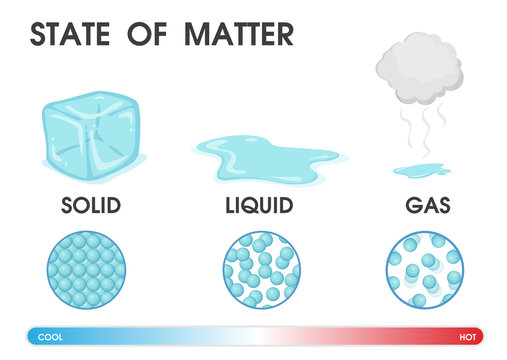
Gases: If you pour juice into a glass, it goes to the bottom of the glass makes the glass half full. Gases do not have a definite shape. In addition, if you put a gas into a container, it spreads out throughout the container. In gases, the particles spread out so as to fill the space in the container. If the space is small, the particles will be tight together, if the space is big, the particles will be spread out further apart. Air is mostly made out of gases.
Measuring is one way to determine the size of an object, and to compare it with the size of another object. For this to be successful, we need to use the same units of measurement so that different people can understand what the measurement actually means. These units that people agree on are called standard units. Scientists use the metric system which uses prefixes like milli-, centi -, and kilo- . The metric system is based on units of ten to move from one prefix to the next. For example, 1 centimeter is made up of 10 millimeters. 1 meter is made up of 100 centimeters, and 1 kilometer is made up of 1000 meters.
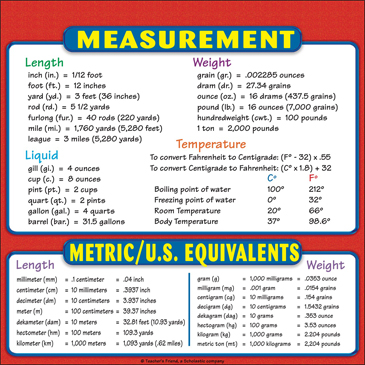
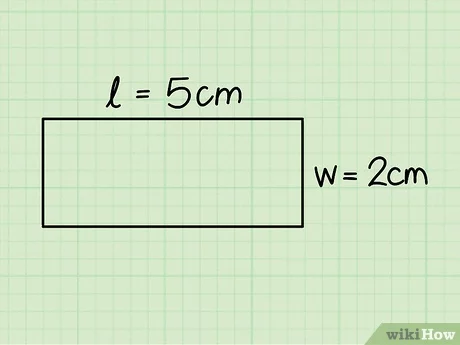
Length: Length is the measure from one end to the other end. It is usually the measure of the long side of a 2D shape. For example, if you place your book on the desk, the length is the measure of the long side of the book.
Width: Width is the measure of how wide an object is. It corresponds to the shorter side of a 2D shape.
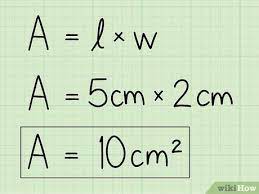
Area: Area describes the number of unit squares that an object's surface covers. An easy way to calculate the area of a rectangle is to multiply the Length (L) and the Width (W). Therefore, A = L X W. If the length is 15 centimeters (cm) and the width is 10 cm, the Area is = 15 cm X 10cm = 150 cm2. cm2 is read as 'square cm. When we express Area as A = L X W, we call this a formula. So the formula to calculate the area (A) of a rectangle is L X W. This formula remains the same if we are calculating the area of a square. However, because the square has equal sides, the measure of L will be equal to the measure of W, so even if you switch L and W, you still get the same correct answer. A square with sides equal to 10 cm has an area of L X W = 10cm X 10cm = 100 cm2
Volume: Volume describes the number of cubes that can fit inside an object. It is a measure of how much space an object occupies. Therefore the object needs to have a 3 dimensional structure. Here, we introduce the concept of height (H). If you are measuring the volume of an ice cube that measures 2cm on all sides, the volume is; V = L X W X H = 2cm X 2cm X 2cm = 8 cm 3. Realise that the formula to calculate the volume of an object can be shortened to V = A (of the base) X H or short V = Base X height. This is important because the same formula applies if the object is based on rectangular sides or if the base is of a different shape. A 3D shape with a circular base is called a cylinder.
To find the volume of an irregularly shaped object, you can use water in a measuring container. First add the water, measure how much water is in the container. Then surmerge the object until it has all been covered by the water then record the new reading of the volume of water. The volume of the object is the difference between the new final reading and the original reading. This is called displacement. A solid object will displace an amount of water that is the same as its own volume.
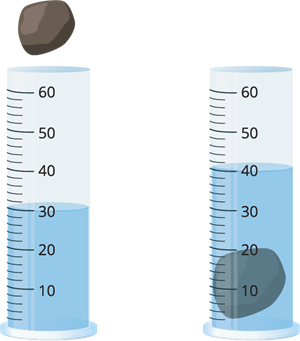
Density: Density is the amount of matter per unit space (volume). Remember we said solids have particles that are tightly packed and gases have particles that are far apart, this corresponds with how much matter is in a unit volume, so solids are expected to have more matter per unit volume than gases. This also means solids are expected to have a higher density than liquids, and liquids have a higher density than gases. in addition to this, objects of the same state can have different densities. As in, different solids can have different densities. The amount of matter is measured using Mass and is expressed in grams (g). To calculate the density of an object, divide its mass by its volume, M ÷ V. If the mass is in grams and the volume in cubic centimeters, then the result will have units in grams per cubic centimeter (g/cm3).
Density and Bouyancy: Remember, bouyancy is the upward force of a liquid or gas on another object. It determines if an object will sink or float in the liquid, such as water. An object floats if the its density is lower than the density of the liquid. For example, the Density of water is 1g/cm3. The density of cork is 0.24g/cm3. Will cork float or sink? Cork will float, because water has a higher density than cork. Brass has a density of 8.5g/cm3. Will brass float or sink in water?
Liquids can also float on top of water as you observe when you add oil into water.
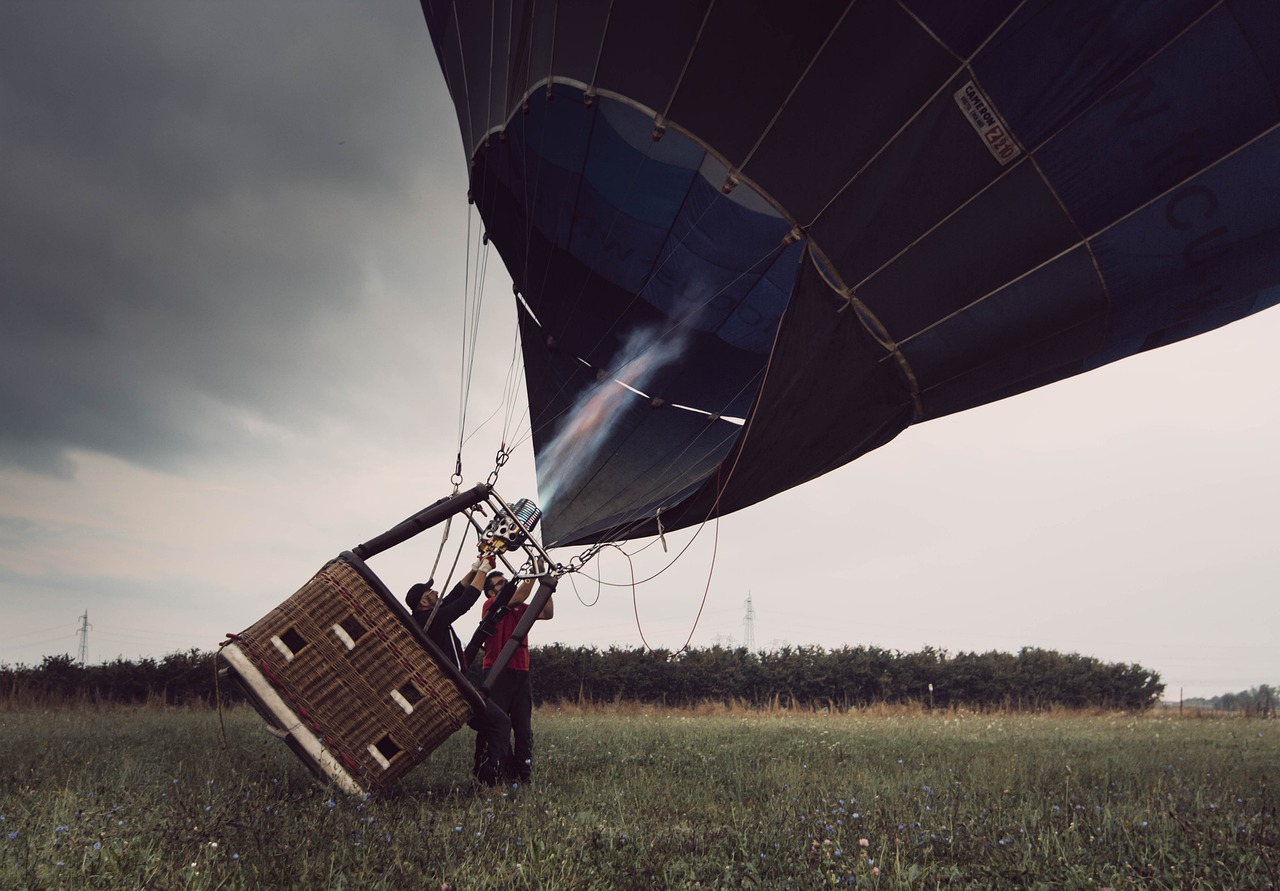
You can change the density of an substance by either heating it or cooling it. Heating makes the particles move faster, making the particles move further apart and this reduces the object's density. This is the reason a hot air balloon will rise up in the air because the air inside the balloon is heated, making it less dense than the air outside the balloon.
Weight: Weight measures the amount of gravitational pull between an object and a planet, in this case, earth. Gravity is a force, or a pull, acting between two objects. The force of gravity acting on an object depends on the object's mass. The higher the mass, the higher the weight. However, the gravitational force also changes, like if you go to a different planet or the moon, so the higher the gravitational force, the higher the weight. The standard metric unit for weight is the Newton (N). Different countries use different units to measure weight, like Pounds (lb) is the US. An object with a mass of 1kg weighs 9.8 Newtons on earth and only about 1.6 Newtons on the moon.
Many years ago, people thought that all matter was made up of either Earth, Water, Air and Fire. We now know that matter is made up of elements. An element is a substance that is made up of only type of matter. Because an element is made of one type of matter, you cannot break it down into any simpler form. Hydrogen, Oxygen, Gold, Silver are some examples of elements. There are several other examples of elements.
Atoms: An atom is the smallest part of an element. You can think of atoms as particles. However, atoms are very tiny and you cannot see them with your naked eye. All atoms in an element are alike, for example, all atoms in silver are alike, and you can describe them as Silver atoms. Same for hydrogen and gold and other elements. The atoms of a certain elemet are different from the atoms of another element.
Metals and Nonmetals: A metal is shiny, it can be bent or hammered into shape. examples of metals include Iron, Aluminum and Copper. Metals allow heat and electricity pass through them (i.e., they conduct heat and electricity). Thats why Aluminum and Iron are used for cooking pots and Copper is used for Electric wires.
Metalloids are elements that have some of the properties of metals but not all.
Nonmetals is a large group of elements euch as Nitrogen and Hydrogen (and many others). They have none of the properties of metals.
Element Symbols: Most elements can be represented using symbols. In most cases, the symbol is the first letter of the element's name, such as Hydrogen - H, Nitrogen - N, Oxygen - O, Carbon- C and so forth. In other cases, the element's symbol is obtined from the element's latin name. For example, Gold is called aurum in latin, and the symbol for gold is Au.
Periodic Table: Because of the diverse differences between elements, scientists found it necessary to develop a way to organize the elements, so that elements with similar properties can be grouped together. About 150 years ago, a scientist named Mendelev developed a Periodic Table a s way to organize elements. See the periodic table below:
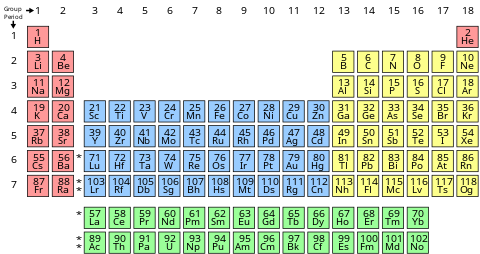
Columns and Rows: As shown on the periodic table, elements are organized into rows and columns. Elements in the same column are said to be in the same Group. Elements in the same row are said to be in the same Period. When Mendeleev arranged the elements in a table, he saw a pattern. Elements with similar properties were grouped near one another. Scientists use these patterns to predict how an element behaves. Hydrogen (H), for instance, reacts easily with other substances. The elements that share its column in the periodic table also react easily. Elements that share the same row often have similar properties, too. Iron (Fe) is magnetic. Find Iron in the Periodic table. Notice that the two elements next to iron are also magnetic.
We can classify changes into two types; either Physical change, or Chemical change. A physical change is when matter changes in form, state, shape etc but remains the same substance. If you mold clay to make a flower pot, you have changed the shape of the clay but it still remains clay. If you take an ice cube from the freezer and allow it to melt into water, you have changed its state but it still remains water. Ice was just frozen water. These kids of changes are called Physical Changes. Physical changes involve a change in size, shape, structure, state and even position/location.
If you heat a solid substance, the particles move faster and if there is enough energy, the solid will melt into a liquid. Melting is the change of state from solid to liquid. If you heat the liquid further, the particles move even further apart and the liquid changes to a gas. This process is called Boiling. Liquids can also change to gases without necessarily undergoing boiling. Evaporation is that process where a liquid can change to a gas without boiling. Water on ponds, lakes, rivers and oceans is constantly undergoing evaporation.
Cooling occurs when we take away heat energy from a substance. This makes the particles move closer together. If we cool a gas into a liquid, we call that Condensation. Or we can say the gas condenses to a liquid. If we cool a liquid into a solid (like if we put water into the freezer), we call that Freezing, or we can say the liquid freezes into a solid. Water freezes into ice.
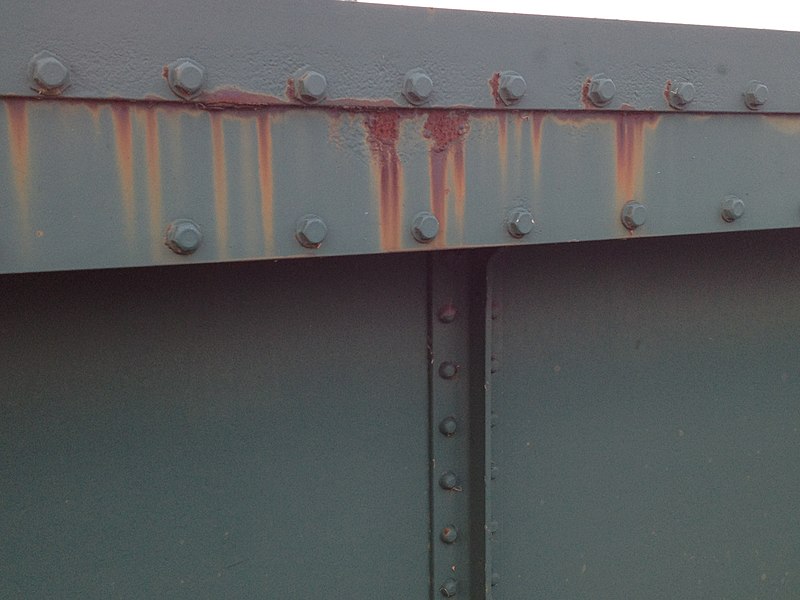
A chemical change results in a change in the type of matter present in the object. The resulting substance has different properties from the original matter. If ou leave you bicycle out in the rain throughout summer, it will begin to rust. Rust is a chemical change that occurs on Iron when it is exposed to water and air (oxygen). It appears brown in color and in this case, you cannot reverse the rust beck to iron. Some chemical reactions can be reversed so that you obtain the original substance(s). Most chemical reactions either use up energy, or produce energy. The energy may be in form of heat, light or electricity.
There are very many chemical changes. Here are a few examples:
How do you know a chemical change has occured?
There are some tell tale signs that you can use to detect if a chemical reaction has occured. For instance:
A mixture (as you probably already guessed) is a combination of two or more kinds of matter. However, in a mixture, each kind of matter keeps its properties. For example, a salad is a mixture of various vegetables and dressing. But each vegetable remains in its original state.
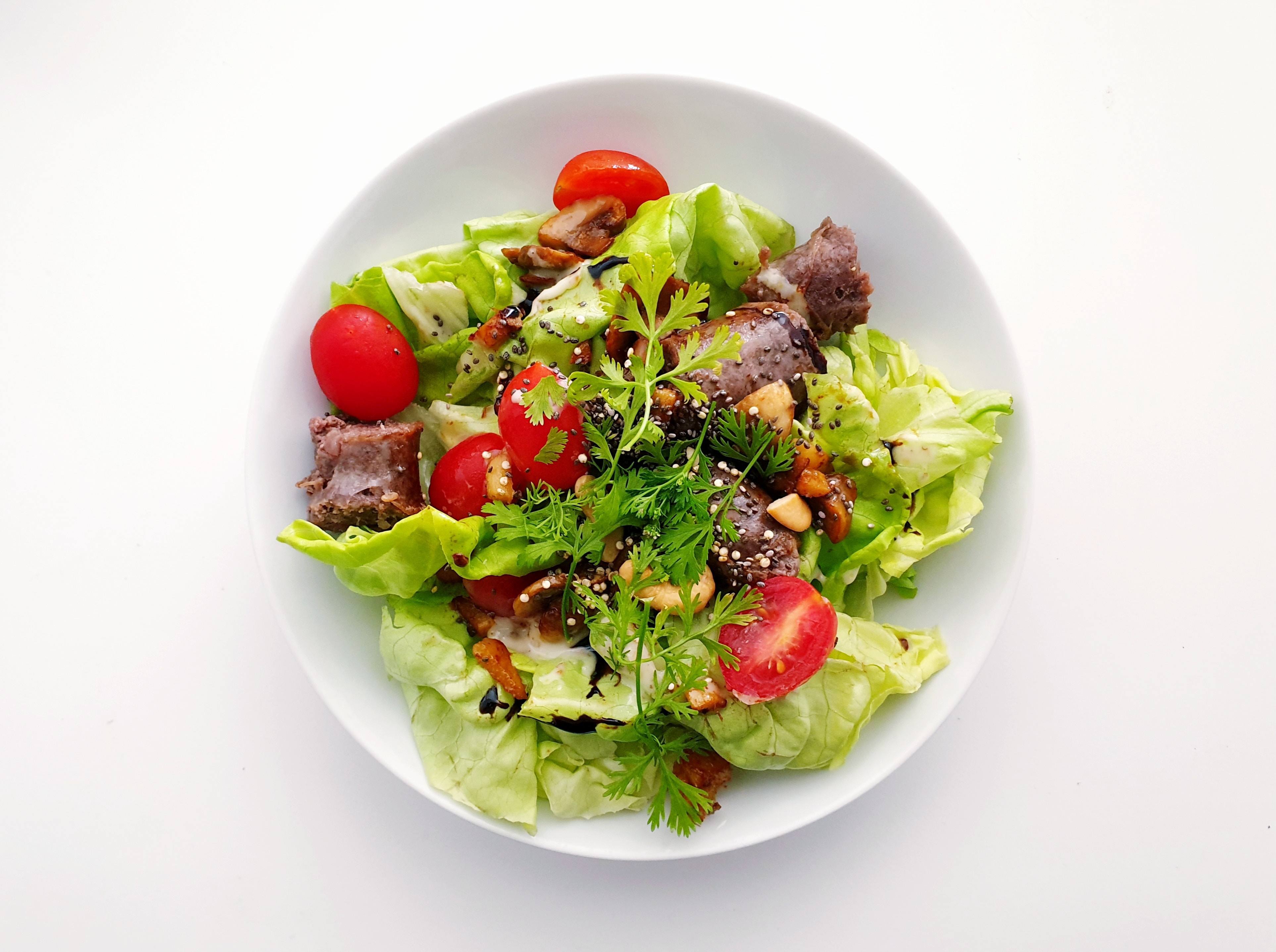
When two substances are mixed together and they blend completely so you can no longer detect the individual substances, we call this a Solution.
A mixture of two metals (or a mixture that contains at least one metal) is called an Alloy. Some alloys are stronger than the elements used to make it. Bronze is an alloy or Copper and Tin, and it is stronger than either of them. Steel is an alloy or Iron and carbon.
Mixtures can be separated using various methods. For example, you can allow the substances to settle. Settling is when the matter with a higher density moves down to the bottom of the container and the matter with the lower density stays at the top. If you add sand into water, the sand will settle at the bottom.
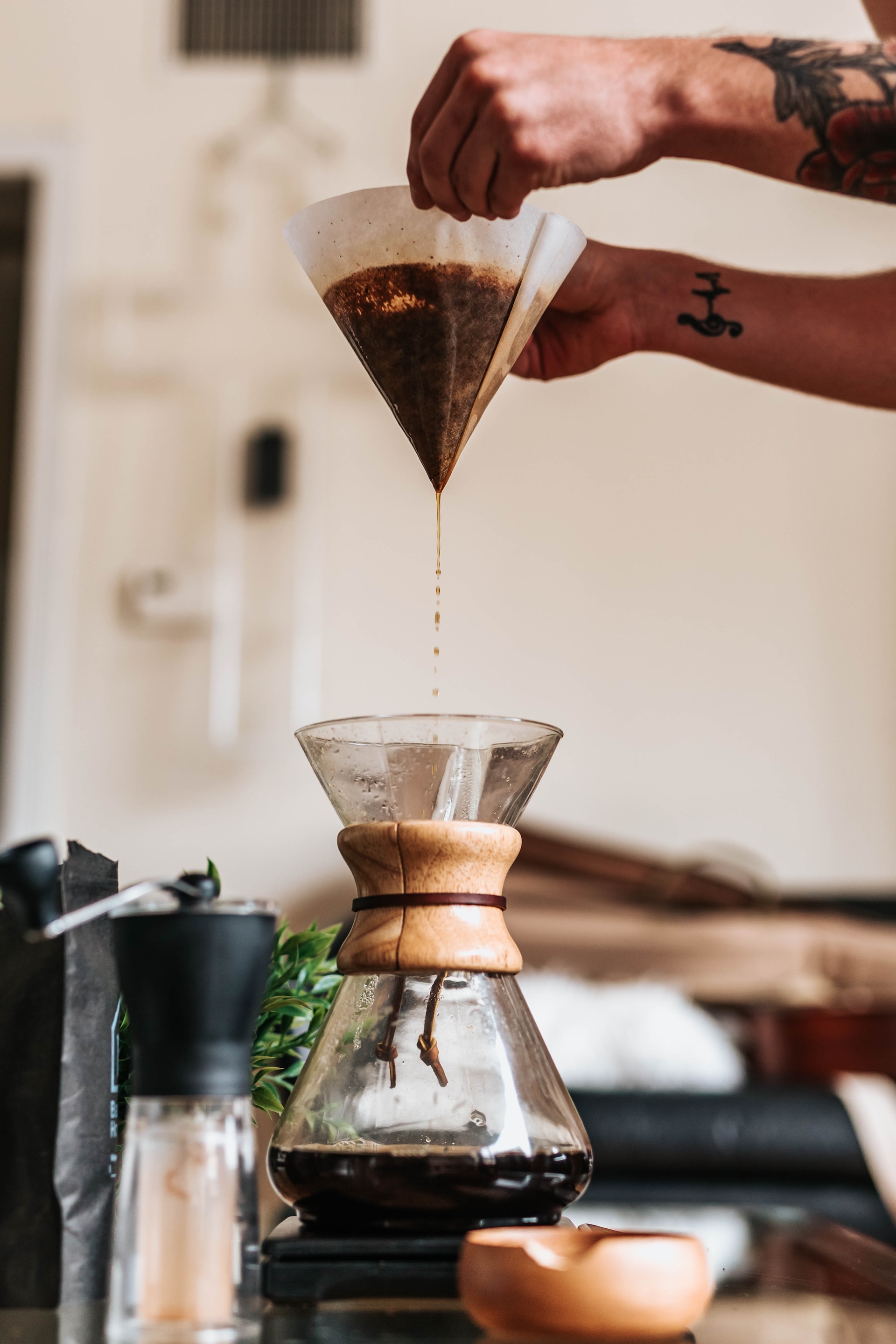
Filtration is a method to separate mixtures based on size. You can filter water using a sieve, the larger particles stay in the sieve and the smaller particles pass through the sieve and are collected as filtrate.
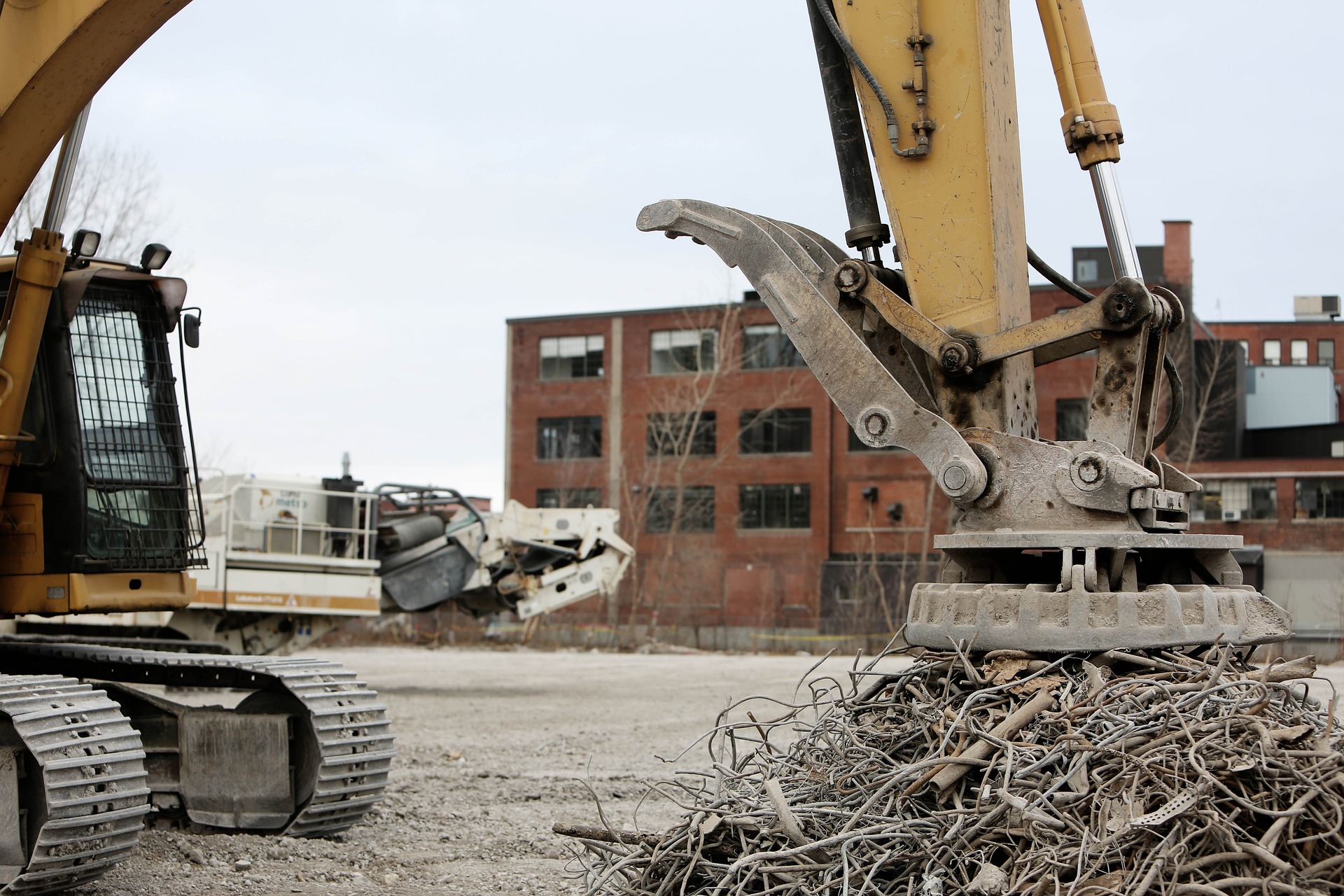
Magnetic attraction: Magnets are often used to separate scrap metal in a junk yard. A magnet will attract elements such as iron, nickel and cobalt.
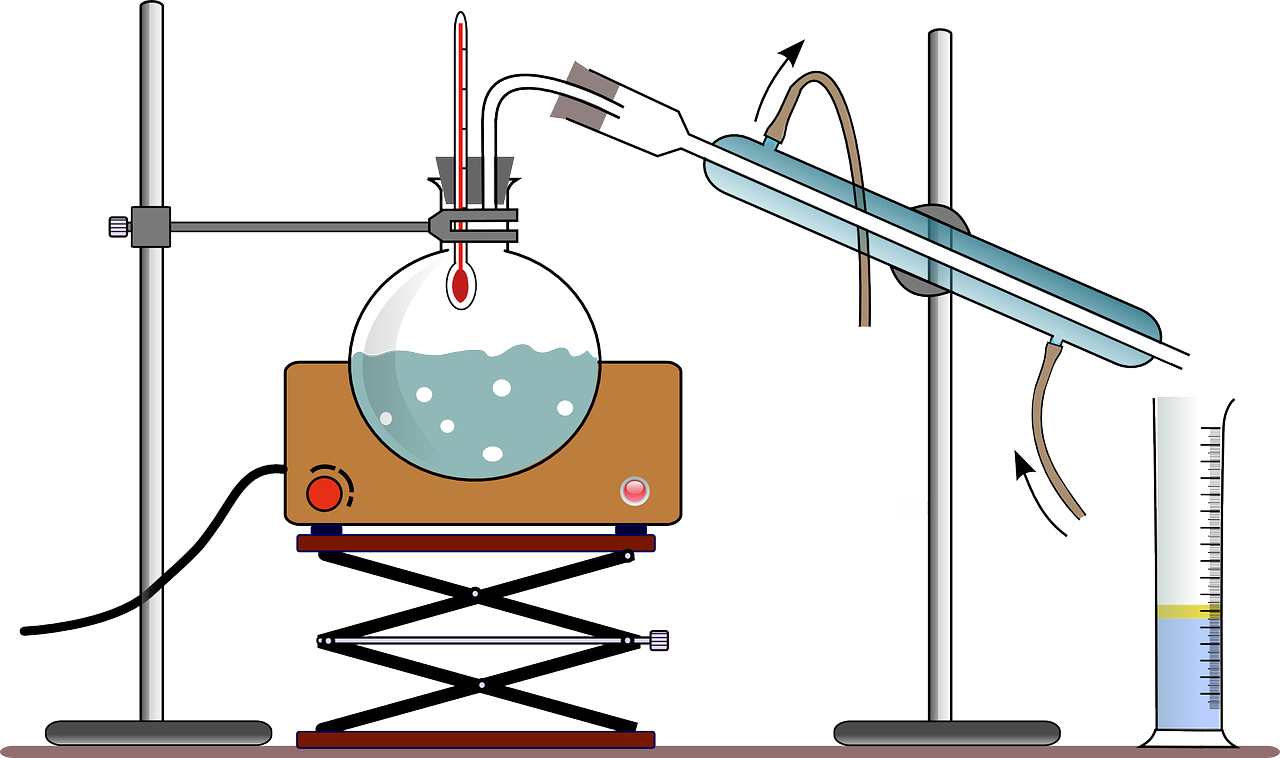
One method to separate substances in a solution is to use distillation. Distillation relies on boiling points. In distillation, a solution is heated until the liquid that has a lower boiling point becomes a gas. The solid or the liquid that has a higher boiling point is left behind. The gas is passed slowly through a tube where it slowly cools down (condenses) and goes back to a liquid state and settles in another tube. This is the method used to separate gasoline fro curde oil.
Evaporation can also be used to separate a solution into its its parts. This is the process used to make salt from sea water. When you allow sea water to evaporate, you are left with solid salt. This technique differs from distillation in that; 1. it doesnt involve boiling, 2, we are aiming to collect the solid, and we allow the water to be lost into the air.
Remember we said chemical changes are changes that result in a new product that is different from the original substances. A Compound is formed when two or more elements combine chemically. Iron is a gray metal. Oxygen is a colorless / clear gas. Water is also clear/colorless. When Iron reacts with Oxygen, in the presence of moisture, to form Rust, it changes color to a brown solid.
Here are a few examples of compounds.
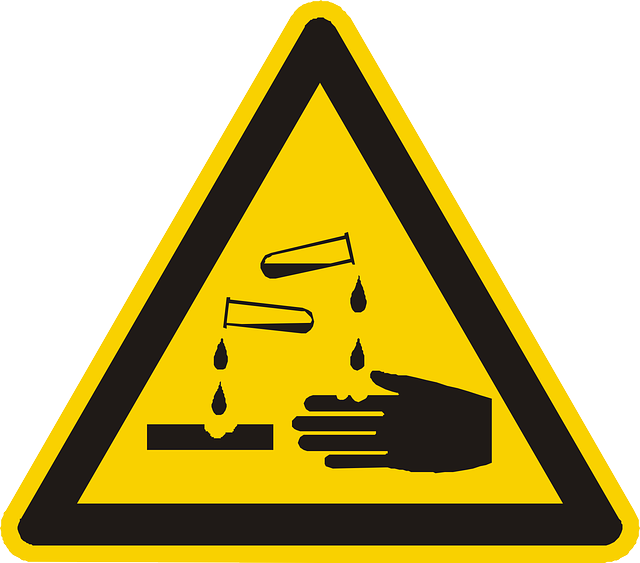
Acids: An acid is a substance that turns blue litmus paper red. Acids are sour in taste. Citric acid is what gives lemons a sour taste. Strong acids can be very harmful, children should stay away from acids because they can burn your skin.
Bases: Bases are substances that can turn red litmus paper blue. They taste bitter. A strong base can be harmful. Such as drain cleaners. Children should not taste any substance that may contain a strong base.
Water does not change the color of litmus papers. Water is neither an acid nor a base.
Thermal energy is one type of energy. There are several other types of energy that you will learn about soon. Thermal energy is the energy of moving particles of matter. Heat is the flow of thermal energy from one object to another. Thermal energy always moves from warmer objects to cooler objects. Objects feel hot because the thermal energy has moved from the object to your hand.
Heating an object means you subject an object to thermal energy and by doing so, you increase the thermal energy of the object making it hot. This change involves increasing the movement of the particles that make up the object. This change results in the particles moving further apart from each other, which results in Expansion. Expansion is the apparent or subtle increase in the size of an object due to heating. The change in thermal energy can be detected as a change in Temperature. remember we meausre an object's temperature using a Thermometer. In fact, you can see the word thermometer has the 'thermal' sound in it. A meter that measures thermal energy (thermo-meter).
Most thermometers use alcohol (colorised red) or mercury (appears like a silver color) in a very thin tube. As the thermometer warms, the alcohol or mercury also warms and begins to expand, which results in it rising up the narrow tube. The mercury or alcohol will rise to the point that corresponds to how warm the surface was and this can be read on the scale. The scales can either be in degrees celsius (oC) or degrees Fahrenheit (oF).
You have already noticed by now that water is used a reference in many situations. (see the topic on density where the density of water is 1g/cm3 as a way to create easy comparison with other substances. ) In this case, the freezing point of water is referenced as 0oC. The boiling point of water is 100 oC.
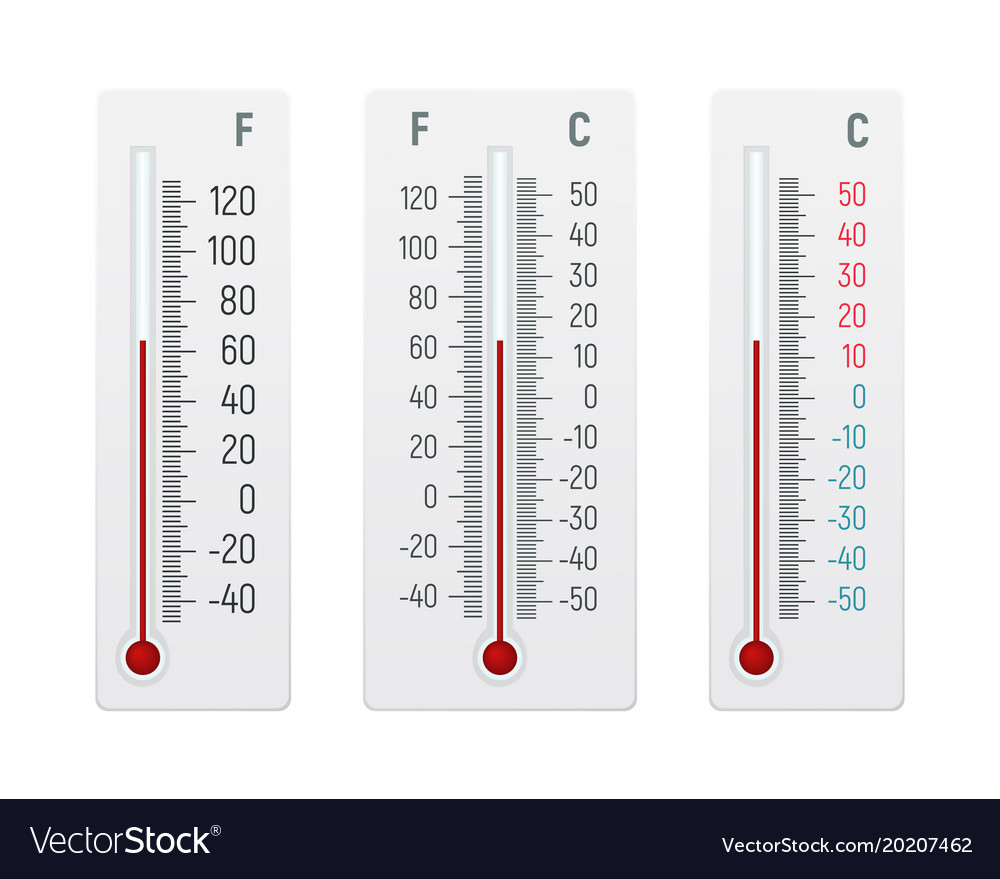
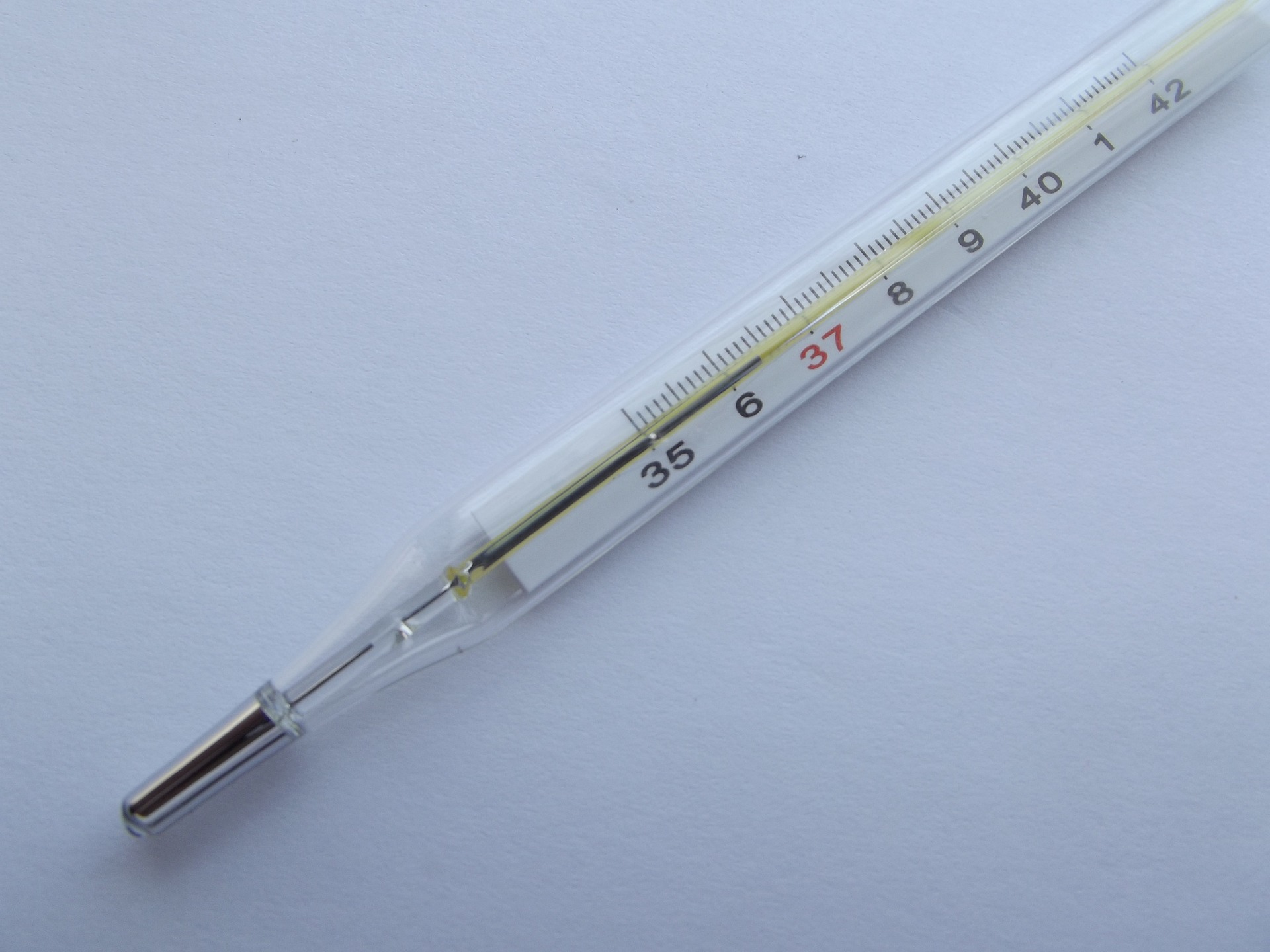
Different thermometers have different capabilities in measuring temperatures both in terms of accuracy and range.
Now, am sure you have seen digital termometers. Digital thermometers do not use alcohol nor mercury, instead they use heat sensors that can detect the temperature based on the heat.
Conduction: Conduction occurs when thermal energy is transferred between two objects that are touching/are in contact. If you heat one side of a spoon on a flame, with time the entire spoon will become hot, even the parts that were not in contact with the hot water. Conduction occurs between the spoon and the flame. Because they are in contact, thermal energy is conducted from the flame to the spoon. This is followed by the conduction of thermal energy within the spoon, from the parts of the spoon that were hotter, to parts that were colder, until the whole spoon is more or less equally hot.
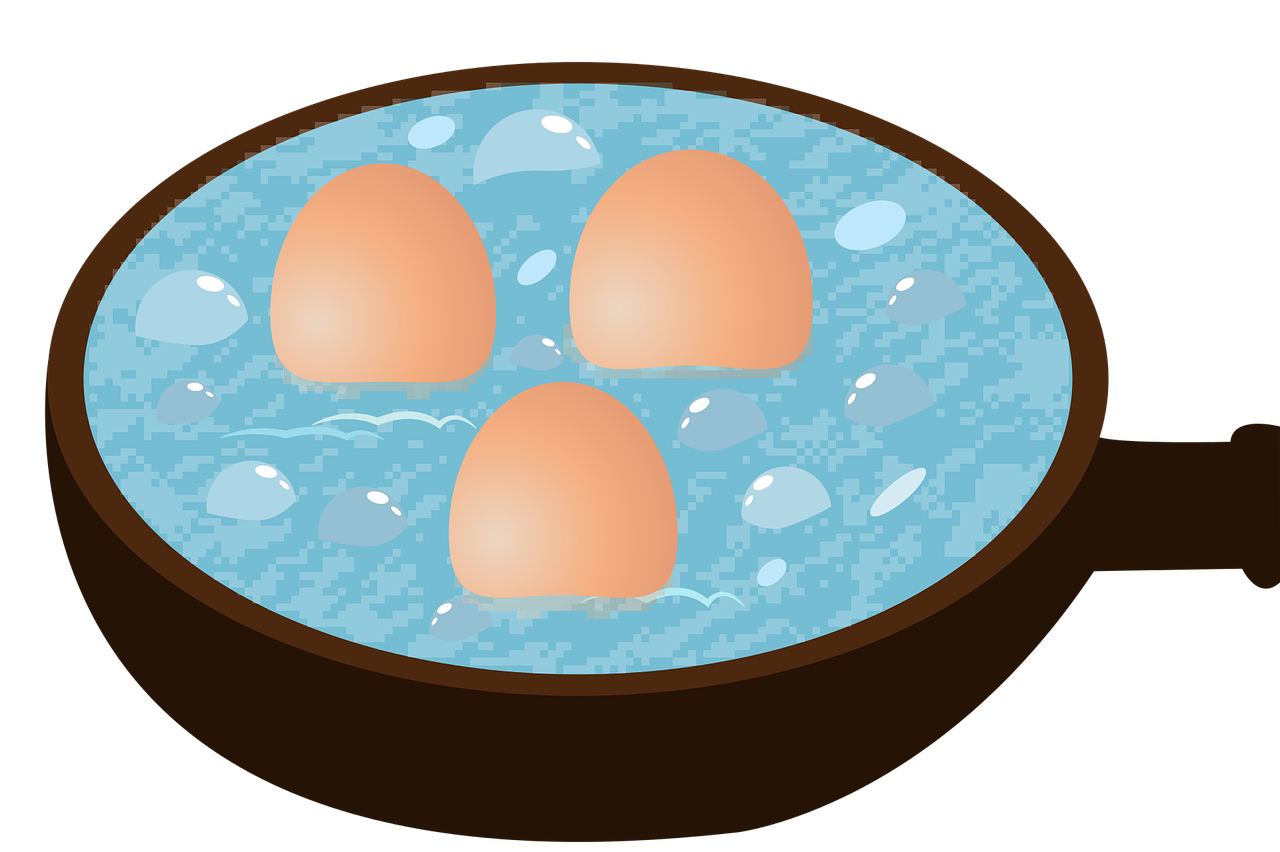
Convection: This is the transfer of thermal energy through a liquid or a gas. If you boil water in a pot, the water at the bottom of the pot get hot first/faster, then heat is transferred from the water in the bottom to the water at the top of the pot.
Radiation: Radiation is the transfer of energy through space. Without radiation, energy from the Sun would not reach Earth. Matter does not need to be present for radiation to occur.
Insulators and Conductors: Insulators are materials that do not transfer thermal energy well. As in, they prevent the transfer of thermal energy. One good use of insulators is in making handles for cooking pans/pots. Wood is a good example of an insulator. In humans and animals, fat acts as an insulator. Fat prevents the transfer of thermal energy, which is why bears gain fat just before winter so as to prepare them to concerve more thermal energy during winter.
Conductors (kinda as the name suggests) are materials that can effectively conduct heat, as in they are good at transferring thermal energy. Most metals are good conductors of heat, which is why cooking pots are made from metals. Clay is a poor conductor of heat, which means it takes longer to get hot but also takes longer to lose the heat (cool down), this property makes clay materials good for slow cooking.
When you infer, you form an idea from facts or observations. It’s easier to form an idea about a result when the information is organized. You can use charts, tables, or graphs to organize your data. That way you can quickly see differences and form an opinion about the results.
Therefore, Inference can be defined as the process of drawing conclusions based on observations and reasoning. It lies at the heart of the scientific method, for it covers the principles and methods by which we use data to learn about observable phenomena.
Pharmacy Technician
A pharmacy technician works with pharmacists, either in a pharmacy in a drugstore, hospital, or nursing home. To qualify for this career, you may train on the job. Most frequently, you take a Pharmacy Technician course in a college. Then you could work with a pharmacist. You would help prepare medicines, counsel patients, and work with insurance companies.


 Contact Us