
Engineering is about designing solutions to real-world problems. Engineers use science, mathematics, creativity, and practical thinking to design structures, machines, and systems that improve how people live and work. In the Engineering Studio, students learn how engineers think through problems step by step. They explore how ideas move from a simple concept to a working solution through design, testing, and improvement. Students also learn that real engineering projects must consider constraints such as cost, materials, safety, and environmental impact. Through hands-on challenges and design activities, students begin developing the mindset of an engineer: asking questions, experimenting with ideas, learning from failure, and continuously improving their designs.
Students explore how engineering combines creativity with scientific knowledge to solve practical problems. Students will learn:
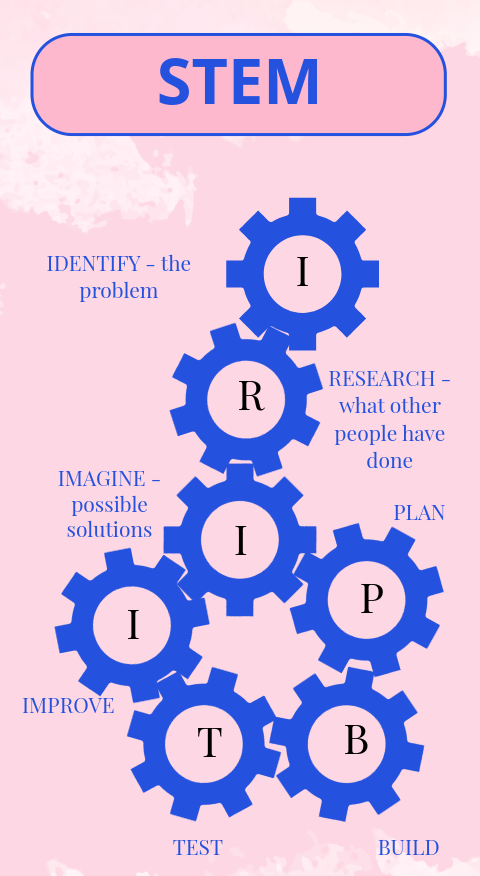
Engineering projects follow a structured process that helps designers move from ideas to solutions. Students learn the main steps of the engineering design cycle:
Students practice applying this process to small engineering challenges.
Real-world engineering solutions must work within limits. These limits are called constraints. Students explore constraints such as:
Students learn how engineers balance creativity with practical limitations.
Many complex machines are built using simple mechanical principles. Students explore basic mechanical systems such as:
Students also examine how structures such as bridges, towers, and buildings are designed to support loads and remain stable.
Choosing the right material is an important engineering decision. Students learn how different materials behave and why engineers select certain materials for specific purposes. Topics include:
Students may test materials to see which works best for different design challenges.
Engineering often involves designing systems made of many parts that must work together. Students explore:
This introduces students to the concept of optimization, which means improving a design to achieve the best possible results.
The Engineering Studio helps students develop important problem-solving abilities. Students build:
These skills are valuable in many STEM careers and real-world situations.


 Contact Us