
Socrates was a classical Greek philosopher widely regarded as one of the founders of Western philosophy. Unlike many thinkers before him who focused on the nature of the universe, Socrates turned attention toward human life, asking how people should live, what justice means, and what true knowledge really is. His method of questioning transformed philosophy and continues to shape education and critical thinking today.
Socrates was born in Athens during a period of political power and cultural achievement. His father was a stonemason and his mother a midwife, an interesting detail, since Socrates later described his own philosophical method as a kind of “intellectual midwifery,” helping others give birth to ideas.
He served as a soldier in the Athenian army and was known for his endurance and courage. However, he became famous not for wealth or status, but for spending his time in public places - especially the Agora - engaging citizens in deep conversations about truth, virtue, and justice.
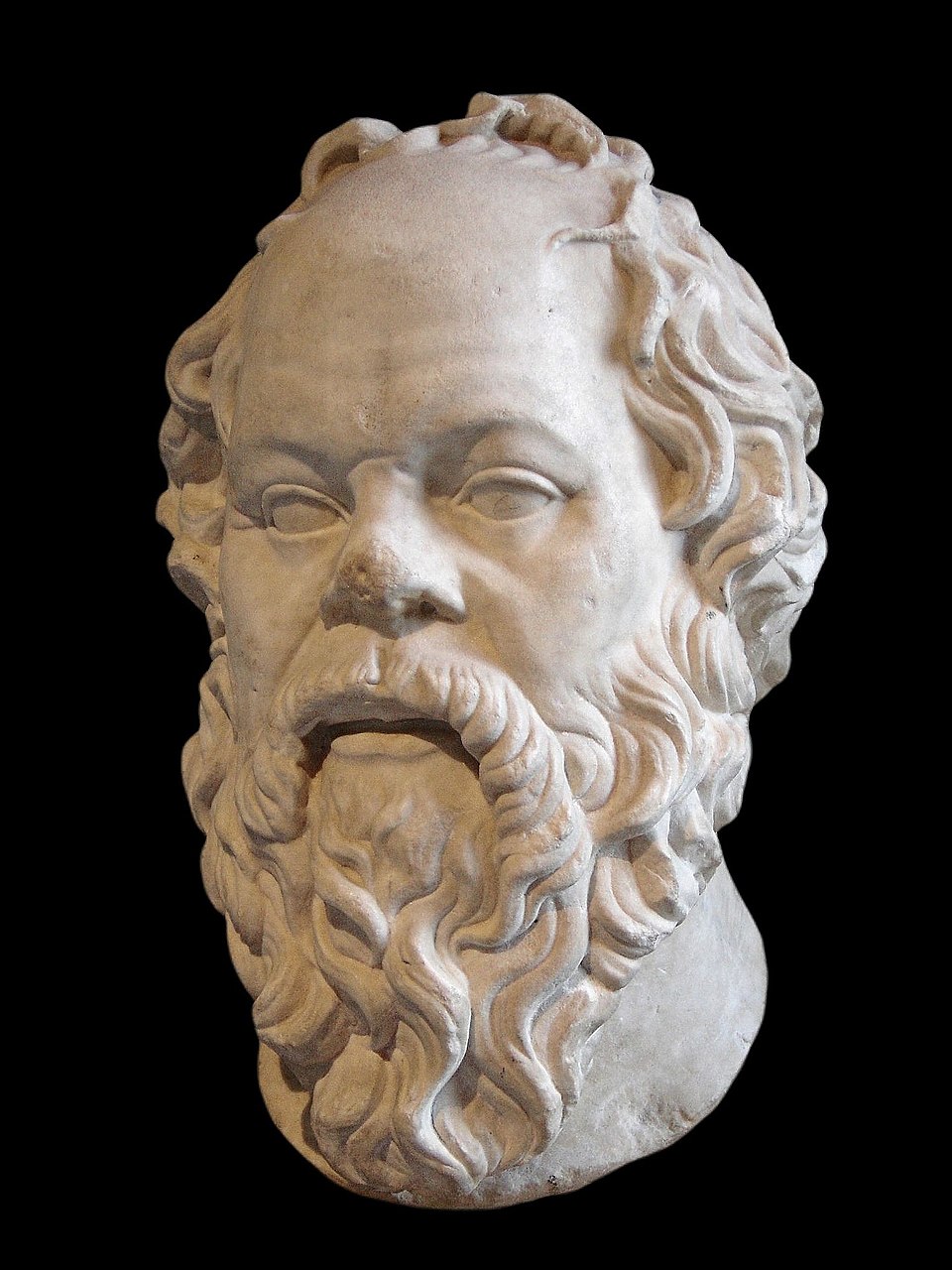
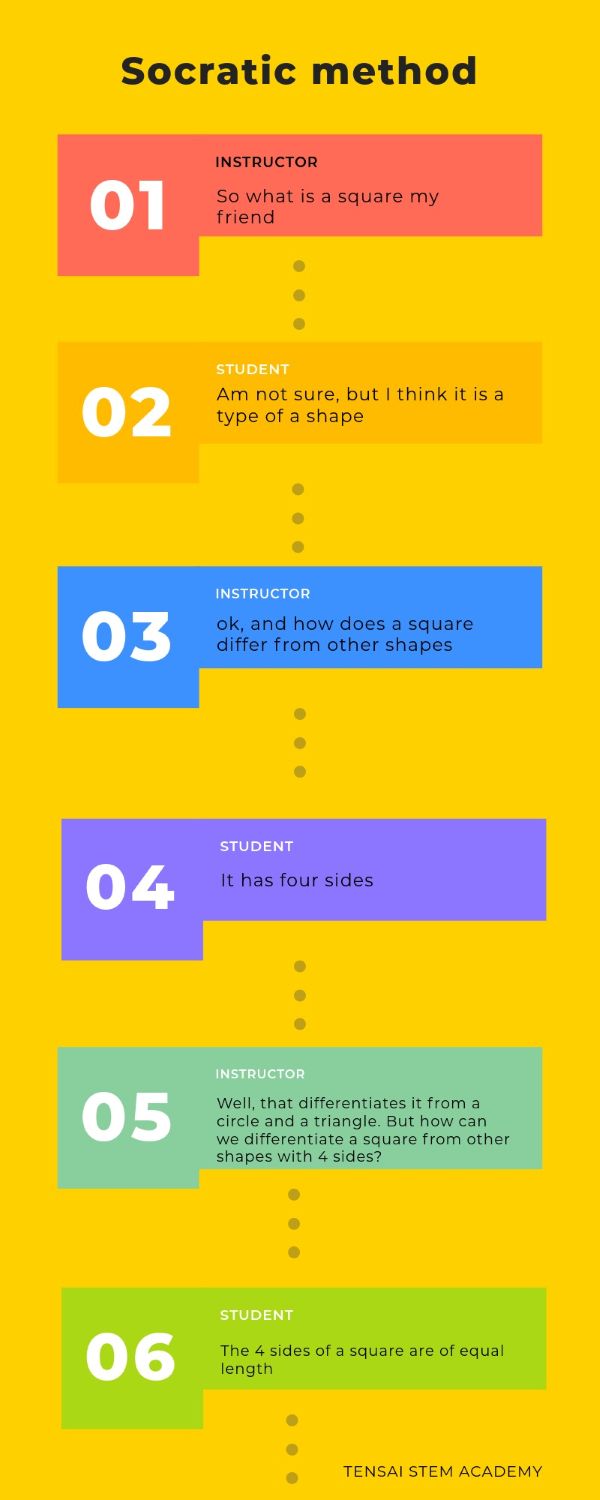
Socrates did not write books. What we know about him comes mainly from his student Plato, as well as other writers like Xenophon. His most important contribution was his method of questioning, now called the Socratic Method. Instead of lecturing, Socrates:
Methodology: The instructor or participant uses a series of open-ended questions to challenge assumptions, explore complex ideas, and analyze implications.
Stages: It involves listening, reflecting/summarizing, questioning evidence, and having the participant re-evaluate their original position.
Applications: Commonly used in law schools (to analyze cases), in medical education, and as a pedagogical tool for philosophy and critical thinking.
Goal: The aim is not to win an argument, but to foster intellectual curiosity, deepen understanding, and, as Socrates did, expose ignorance to reach a higher truth.
For example, if someone claimed to understand justice, Socrates would ask:
Through dialogue, he demonstrated that many people believed they understood concepts that they had never carefully examined.
Socrates believed that true wisdom begins by recognizing one’s own ignorance. He famously claimed:
"The unexamined life is not worth living."
He did not claim to possess wisdom. Instead, he saw himself as a seeker of truth. For Socrates:
His focus shifted philosophy from cosmology to ethics, knowledge, and human character.
Socrates’ questioning style made him controversial. Some Athenians admired him, while others felt he embarrassed influential citizens and encouraged young people to challenge authority.
In 399 BCE, he was put on trial in Athens on charges of:
According to Plato’s account in the Apology, Socrates defended himself calmly and refused to stop practicing philosophy, even if it meant death. He was found guilty and sentenced to drink hemlock, a poisonous substance.
Rather than flee Athens (which his friends offered to arrange), Socrates accepted the sentence, arguing that respecting the law was part of justice - even when the law was flawed. His death became one of the most powerful moments in philosophical history.
Socrates profoundly influenced his students, especially Plato, who went on to found the Academy in Athens. Plato’s student Aristotle would later shape philosophy and science for centuries.
Through these thinkers, Socrates became a central figure in:
The Socratic Method remains widely used in:
Socrates represents intellectual courage. He showed that:
For students today, Socrates demonstrates that education is not just about information—it is about learning how to think clearly, challenge assumptions, and live thoughtfully.


 Contact Us