
Living things are alive! They grow, change, and need food, water, and air to live. Living things can also have babies or make more living things like themselves.
Non-living things are not alive. They don’t grow or change, and they don’t need food, water, or air. They also can’t make new things like themselves.
Plants are living things too! To grow strong and healthy, they need air, water, sunlight, nutrients (like plant food), and space. Just like people need food to grow, plants need nutrients to grow. Plants grow best in places where they can get everything they need!
Plants cannot walk around to look for food. They get everything they need from the space where they grow.
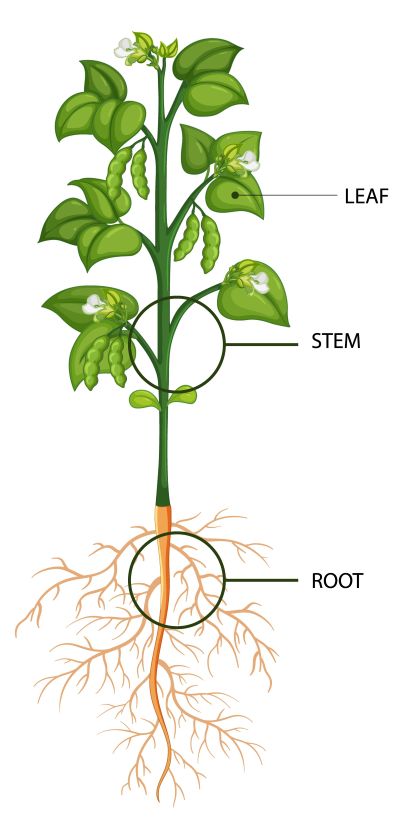
Leaf (many - Leaves) are plant parts that use sunlight and air to make food. Plants utilize this food for their growth.
Root is the part of the plant that holds the plant in the ground. The roots also take water and nutrients from the soil.
The Stem holds the plant up. it can be thin or thick. A thick stem is called a trunk.
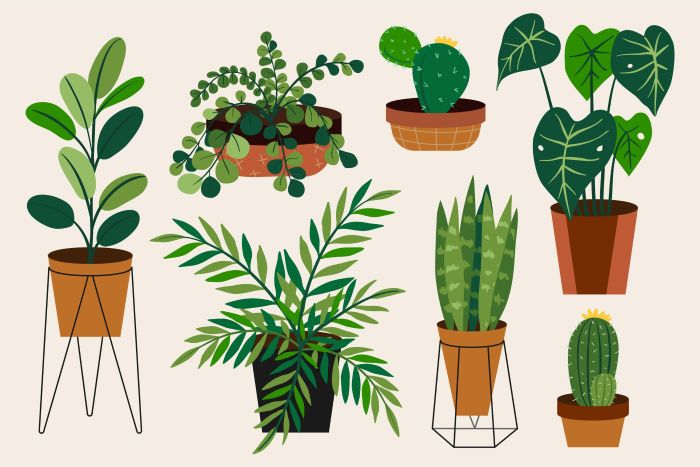
Plants come in all shapes and sizes. Some are big, some are small. Some grow tall, and some stay short. Even their leaves can look very different!
Some plants are safe to eat, and others can be harmful if you eat them, so always ask an adult first!
Did you know you eat different parts of plants?
• When you eat lettuce, you're eating the leaves.
• When you eat carrots or potatoes, you're eating the roots.
• When you chew sugarcane, you're eating the stem.
• When you eat strawberries, you're eating the fruit!
Plants are not just fun to look at, they help feed us too!
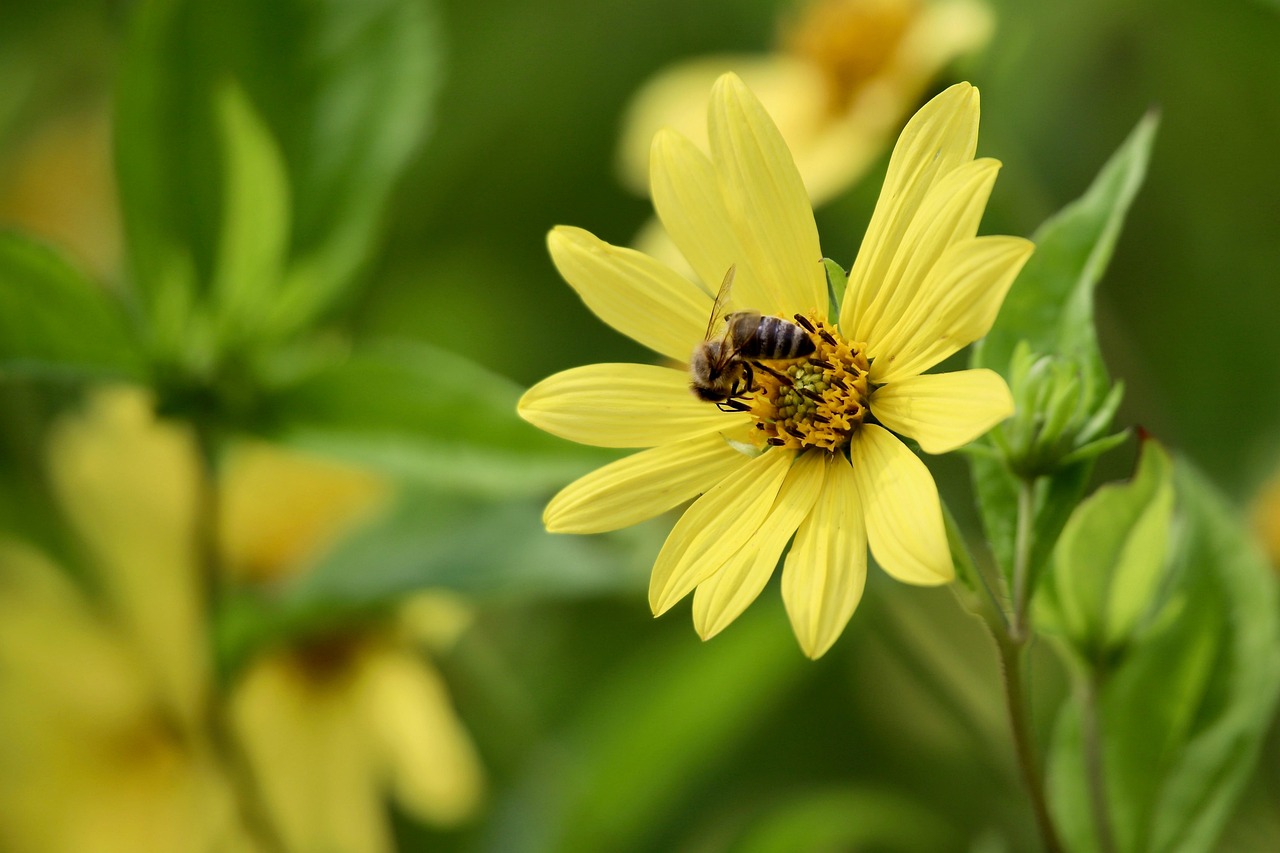
A flower is the colorful part of the plant that later develops into a fruit with seeds.
Flowers are colorful so as to attract insects like bees, which are necessary for pollination.
A seed is the part of the plant that can be used to grow a new plant.
Most seeds are covered and protected by a fleshy part called the fruit.
People and animals eat the fruits of many plants.
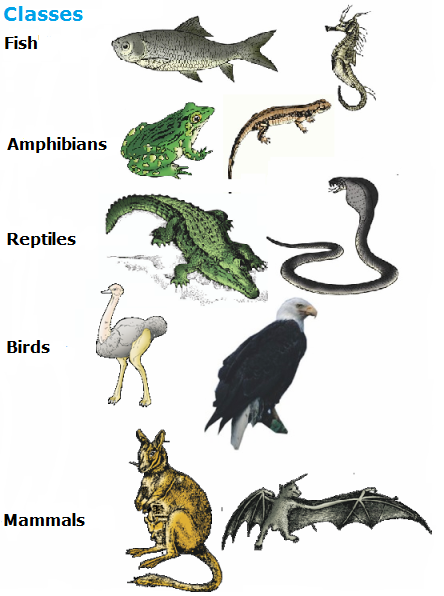
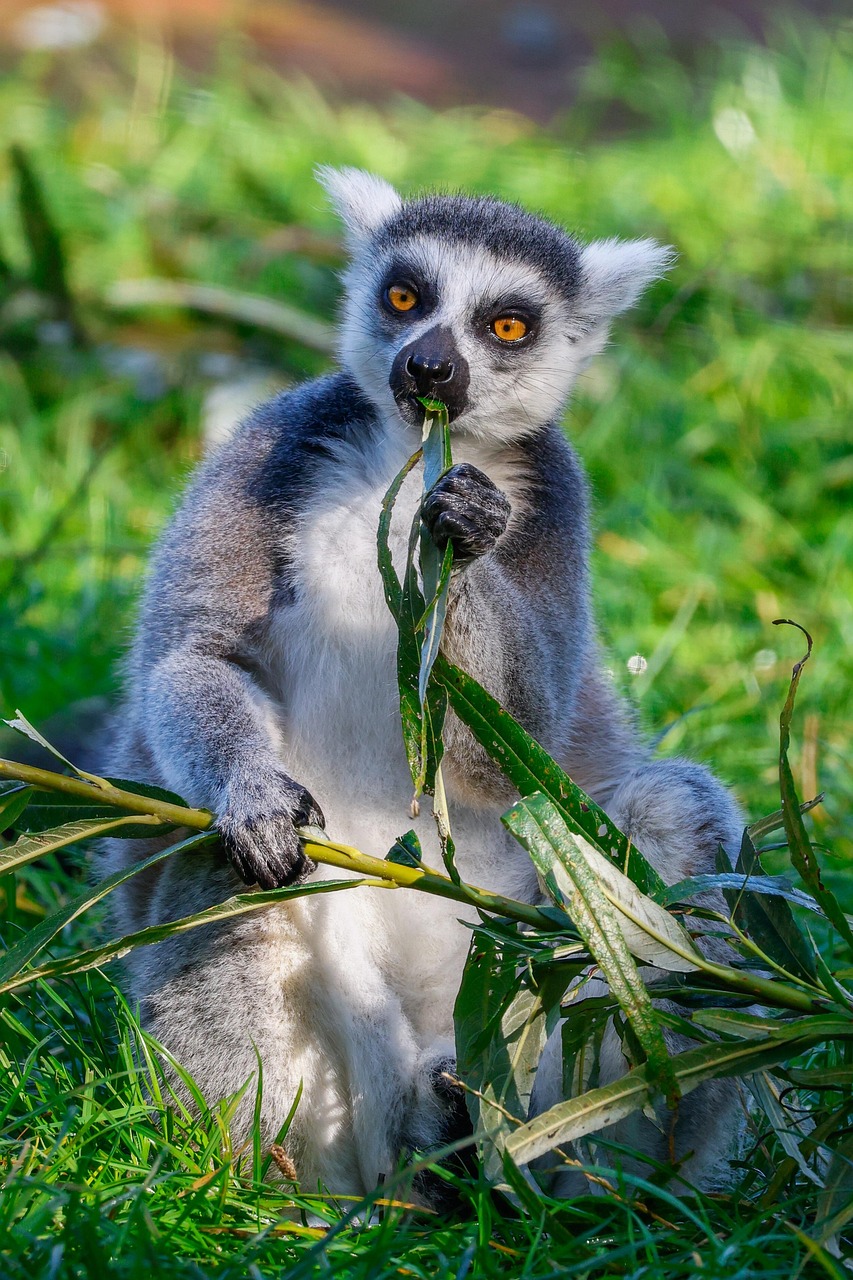
A mammal is an animal with hair or fur. They can hop, walk, swim or fly.
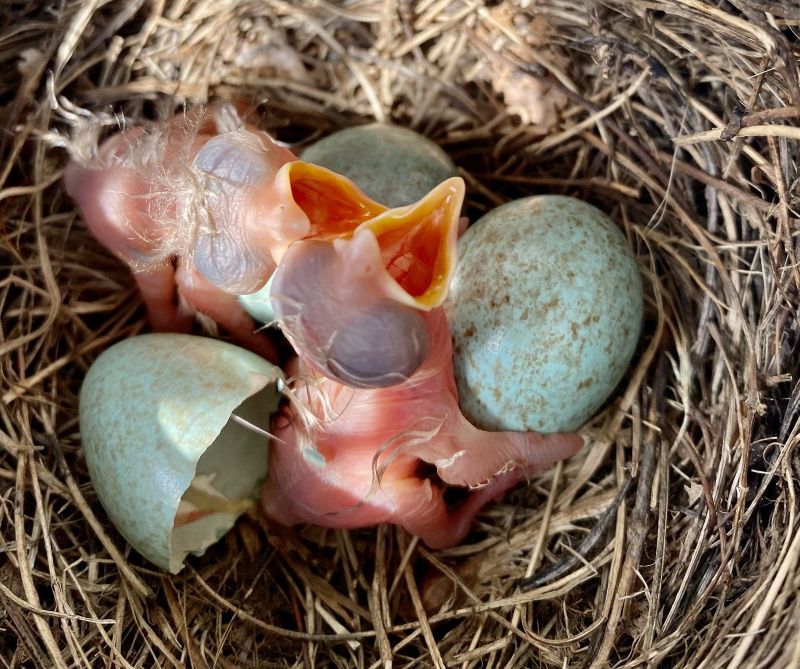
A bird is an animal that has two legs, two wings and feathers. Many lays eggs and can fly. birds also have beaks for eating and carrying things to their nests.
A reptile is an animal that has dry skin covered with scales, e.g., snakes and turtles. Some reptiles have shells to keep them safe. Most reptiles lay eggs.
Amphibians are animals that live on land and in water. Most amphibians have smooth moist skin. Amphibians usually hatch eggs in water then they move to land to become adults. frogs are amphibians.
Fish are a group of animals that live under water. Most fish have scales. Fish have fins that help them swim. Fish also have gills that help them breathe.
Insects are animals that have three body parts and six legs. Most insects lay eggs. Ants and butterflies are both insects.
Animals are living things. Like people, they need food, water, air, and a safe place to live.
A shelter is a place where animals can live and be safe.
Animals have specialized body parts to help them get what they need to live. Some use their eyes and noses to find food. Eyes, ears, and noses also tell animals of danger. Legs, wings, and fins can help them get away from danger.
Animals need air to live. Fish use gills while other animals use lungs to get air.
Animals eat food to get the energy they need to live. Different animals eat different things.
A herbivore is an animal that only eats plants. Horses, cows and rabbits are all herbivores.
Herbivores have flat teeth to chew and grind plants.
A carnivore is an animal that only eats other animals. Carnivores have sharp claws and teeth to catch and rip other animals for food.
Tigers, lions, sharks and cheetahs are examples of carnivores.
Which one is a living thing? Bus or Cat
Which animal is a herbivore? Cow or Tiger
What part of the body helps a mammal to breath? Gills or Lungs
What do you need teeth for? Chewing food or Breathing
Grass is a plant. True or False?
Which one of the following animals is a herbivore? Sheep or Eagle
Which animal lays eggs? Dog or Turkey
Human beings are mammals. True or False?
Plants need sunlight to grow. True or False
Which of the following animals is a carnivore? Zebra or Lion
Cactus are living things. True or False
Which animal produces wool?
A River is made of fresh water that moves on the ground.
A mountain is a part of land that is higher.
A Valley is a part of ground that is lower and is often located between mountains.
A Plain is flat land that spreads out a long way.
An Island is land surrounded by water.
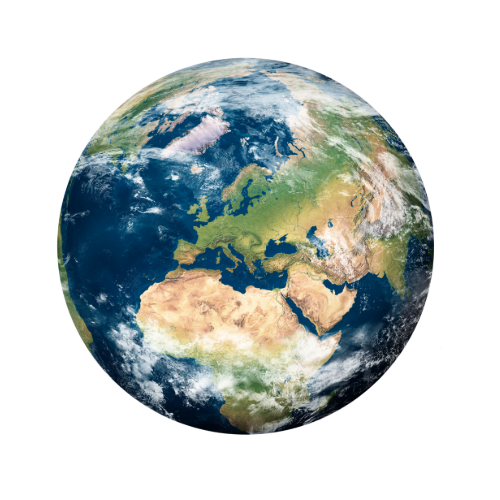
Land is the solid parts of Earth. There are seven large pieces of land on Earth, called continents.
Most of the earth is covered by water, and water surrounds all continents.
Water in oceans is salty and cannot be used for drinking.
Fresh water is water that does not contain salt. Streams, rivers, and lakes can be made up of fresh water. Streams flow downhill into rivers. Rivers may flow into lakes or oceans.
All rocks are made of minerals. A mineral is a nonliving thing from the earth. Some rocks are made of many minerals. Others are made of only one mineral.
Soil is the top layer of Earth. It is made up of tiny pieces of rocks, dead plants and animals, water and air.
Soil may be clay or sandy. Clay soil holds a lot of water. It feels slippery. Many plants can not grow well in clay soil. Sandy soil holds less water. It feels coarse (rough). Desert plants grow well in sandy soil.
Soils can also be classifed by color. Many soils are brown. Some are red, gray, or yellow.
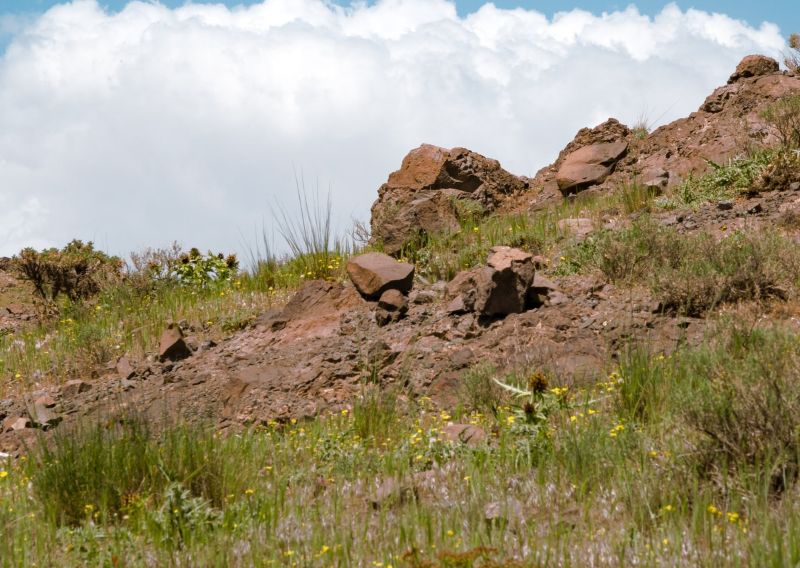
Water can change the shape and size of rocks? This is called weathering.
Plants can also break rocks. Some plants grow in the cracks of rocks. Sometimes a plant’s roots grow and push against the rock. The cracks slowly get bigger and the rock breaks.
Animals can change Earth. For example, Beavers chew on trees and use the broken trees to make their homes in the water. These broken trees can sometimes block a river.
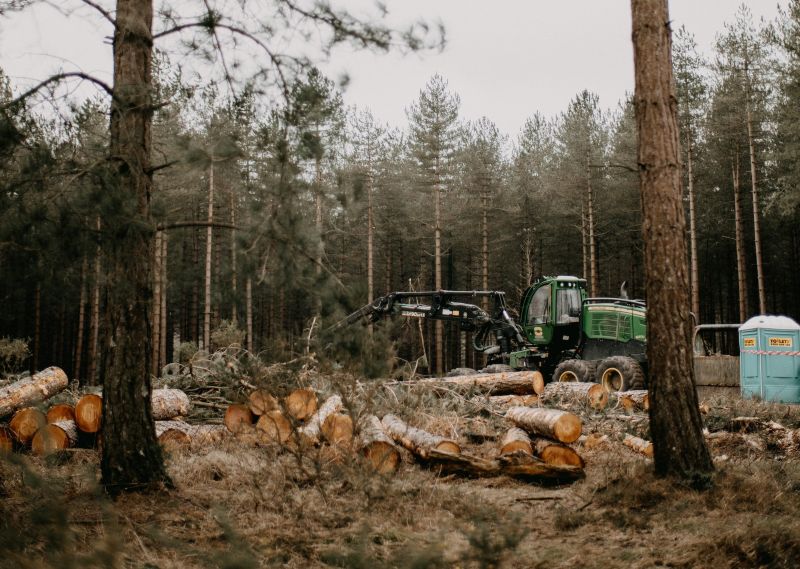
People can change Earth, too. Sometimes people cut down trees. Sometimes people smooth out the land and build homes or buildings. People may dig new lakes, ponds, and ditches to hold water after heavy rains.
Erosion is when rock and soil are moved by wind or water to a new place.
Plants can reduce erosion because the roots hold soil in place so wind and water can not move it.
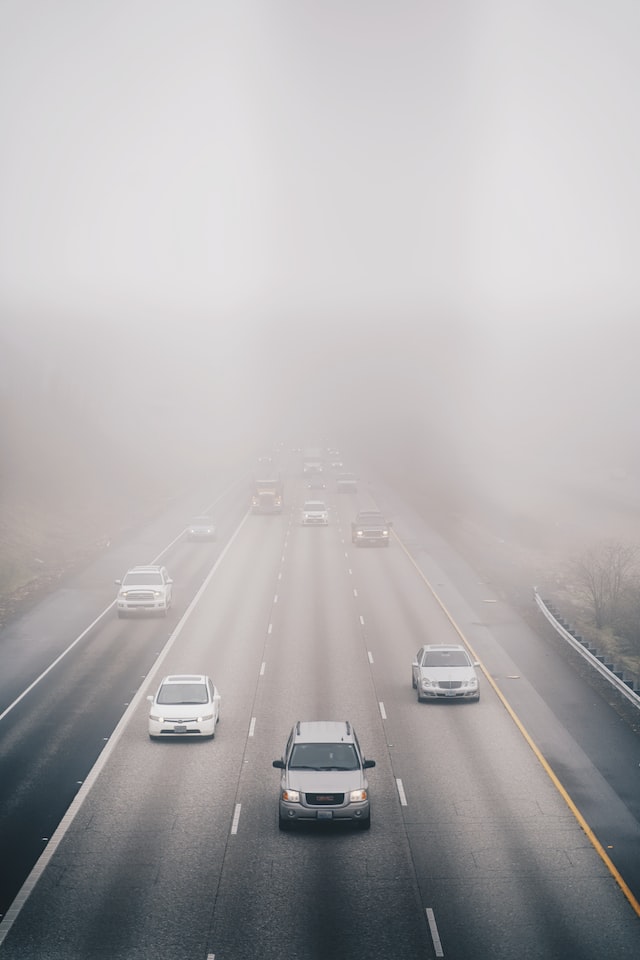
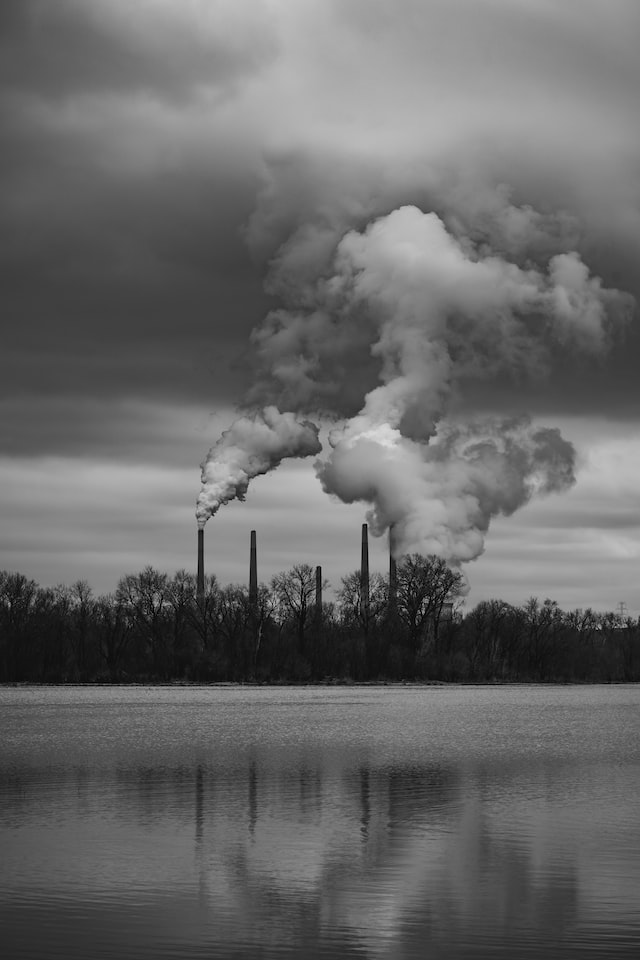
Pollution is the presence of harmful things (such as smoke) in the air, land, or water.
Reuse means to use something again. For example if you use the same shopping bag over and over again when you go grocery shopping.
Reduce refers to using less of something.
Recycle means to make a new thing from an old thing.
The things that come from the Earth that people use are called natural resources. People use living and nonliving resources such as animals, plants, rocks, soil and water.
People must be careful not to use up all our natural resources.
Most of the food we eat comes from living things. Forest trees and plants provide fruit, vegetables, and nuts. People use crops such as wheat to make bread, cakes and other products.
Some farm animals, such as cows and goats, provide milk. Hens give us eggs.
Oceans, rivers, and lakes have food such as shrimp, crab, and fish.
Soil is a natural resource. It is important because Plants grow in soil and we need crops and animals for food. Soil can also be used to make things. for example, clay can be used to make pots.

All living things need water and air to live. Plants need water and air to grow. People use water to wash and play. We also use water to cook and drink. People and animals need air to breathe.
People and other living things can get sick if soil, water, or air are not clean.
Pollution is when there are harmful things in the land, water, or air.
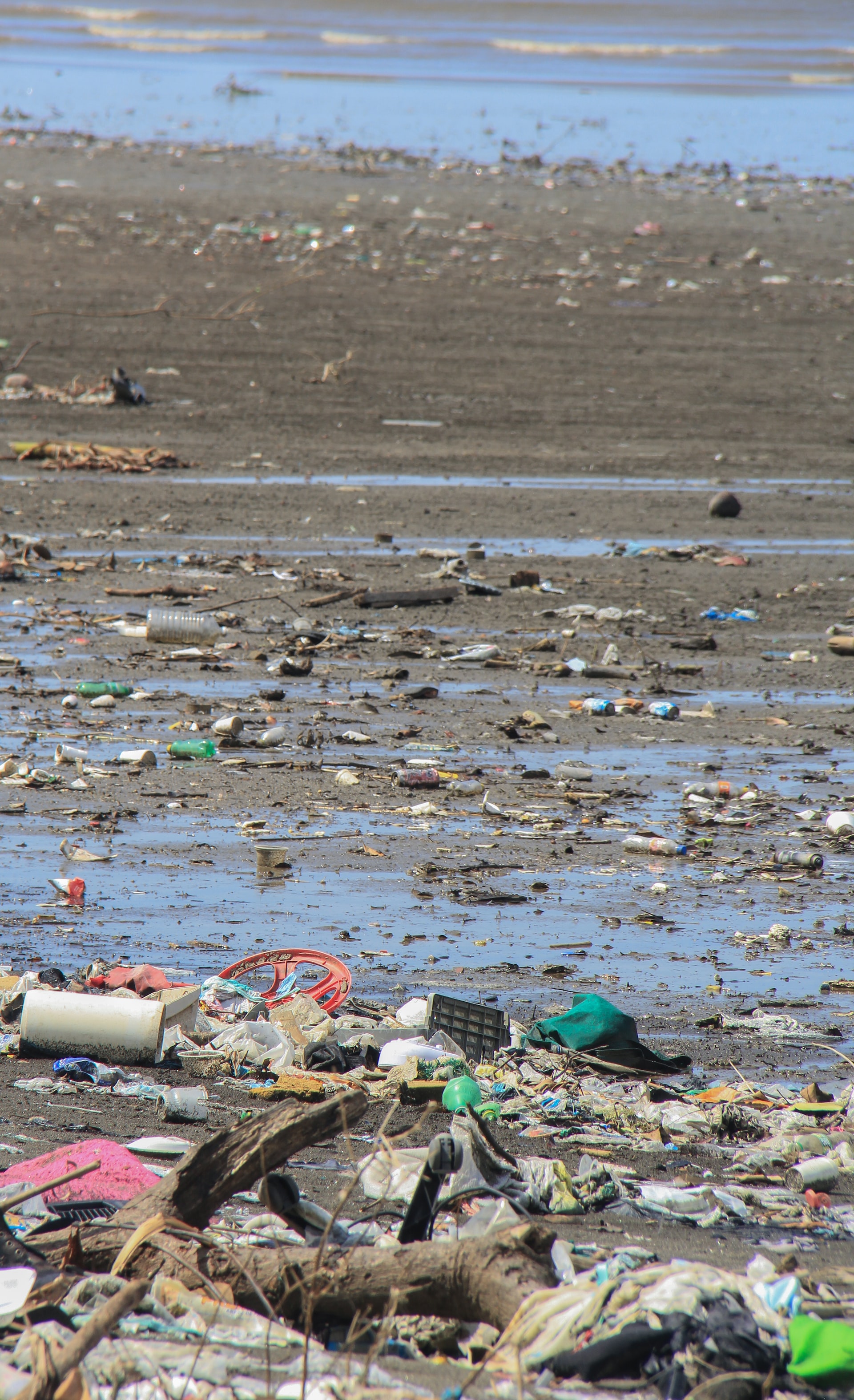
It is important to conserve natural resources. To conserve means to save, keep, or protect.
Three of the ways to conserve the natural resources include
Reuse
Reduce
Recycle
To reuse means to use things again in the same, or in a new way.
Reduce means you use less of something. For example, less less water in the bathroom.
To recycle means to make a new thing from an old thing. We can recycle paper to make new paper, or bathroom tissue paper.
House waste that can rot such as left over food and vegetables stalks can be composted.
In most countries, soda cans, milk bottles, juice cans and some other food packages can be reclycled.

Spring is the season after Winter
Summer is the season after Spring
Fall is the season after Summer
Winter is the season after Fall
A season is a time of year and is 3 months long. Spring, summer, fall, and winter are the four seasons.
In spring, there are many hours of sunlight.
Spring starts on March 21 and ends on June 20th. The daylight length is on average 12 hours long.
During Spring, the temperature is increasing, it is getting warmer, plants begin to grow and many animals are born during Spring.
Summer is the season after spring. It is the warmest season. The weather can be very sunny and dry in summer.
Summer begins on June 21, and end on September 20.
The average day length during Summer is close to 15 hours.
Longer days mean plants get sunlight for a long time and so they grow faster. There is usually a lot of feed for animals and food for people. Some plants produce fruits during summer as well.
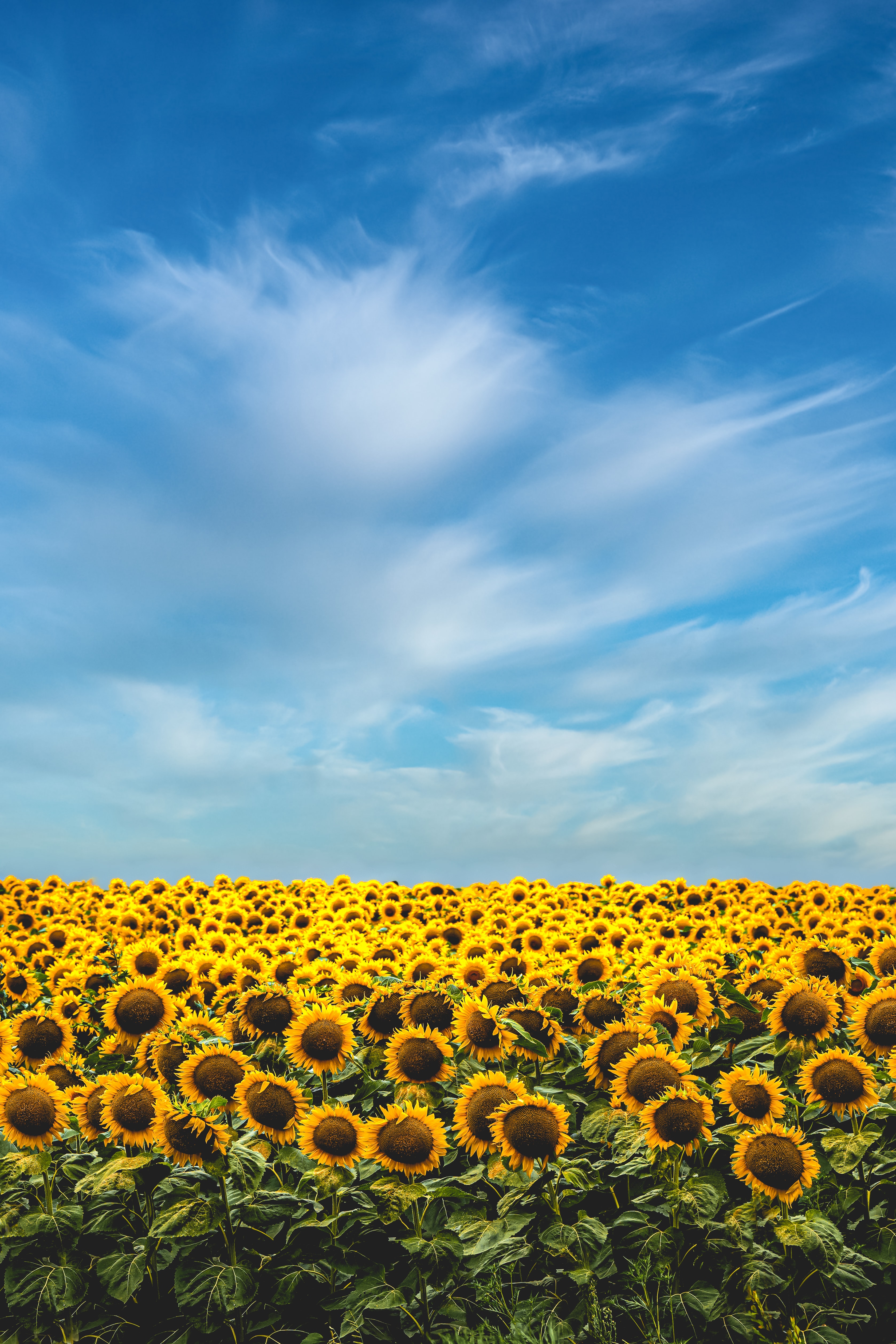
Fall is the season after summer. In fall, there are fewer hours of sunlight than in summer. Less sunlight makes the air cooler. Some leaves change color and fall off trees in fall.
Fall begins on September 21 and ends on December 20.
The average day length is 12 hours.
Many fruits ripen in Fall.
In fall animals begin to get ready for winter. Some animals grow thicker fur to keep warm. Some even move to warmer places.
Winter is the coldest season of the year. In winter there are fewer hours of sunlight, the average day length is 9 hours. In some parts of the world, it may snow in winter.
Winter begins on Dec 21 and ends on March 20.
Less sunlight and the cold temperatures make some plants die.

Telus World of Science Edmonton (TWOSE) is a broad-based science centre in Edmonton, Alberta, Canada.
Experience science in our interactive galleries, IMAX Theatre, science stage, planetarium, special exhibitions and much more. The science centre features interactive exhibition galleries for all ages. The planetarium is the largest in Canada and shows are included with science centre admission.
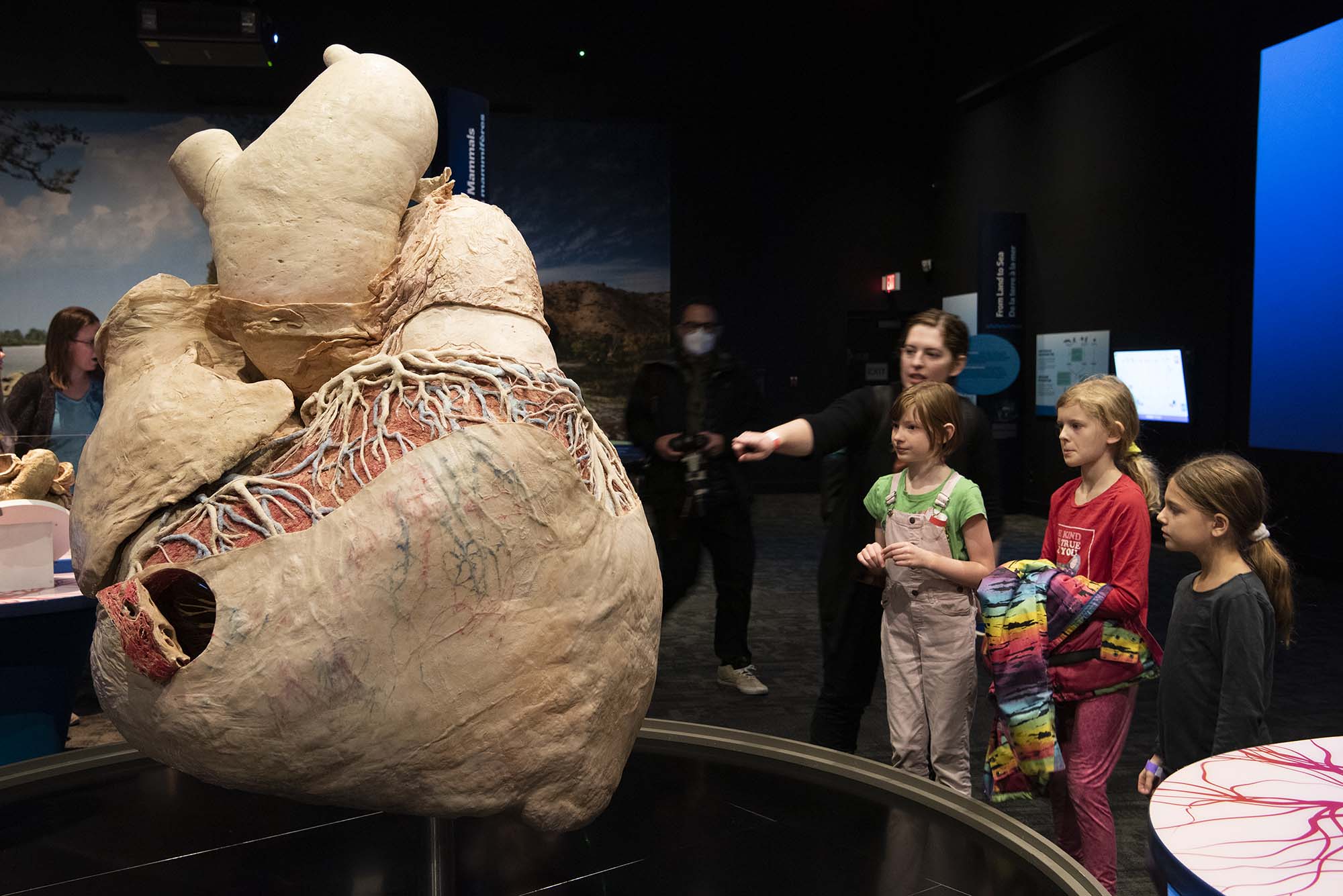
Telus World of Science hosts the Blue Whale heart exhibit.
When you are asked to describe something, you talk about its properties. Properties are characteristics, they show how something looks, feels, smells, tastes, and sounds. They also describe Color, size, and shape are properties.
Matter is anything that has mass and occupies space.
Everything is made of matter. Matter can occur in three forms: Solids, Liquids or Gases.
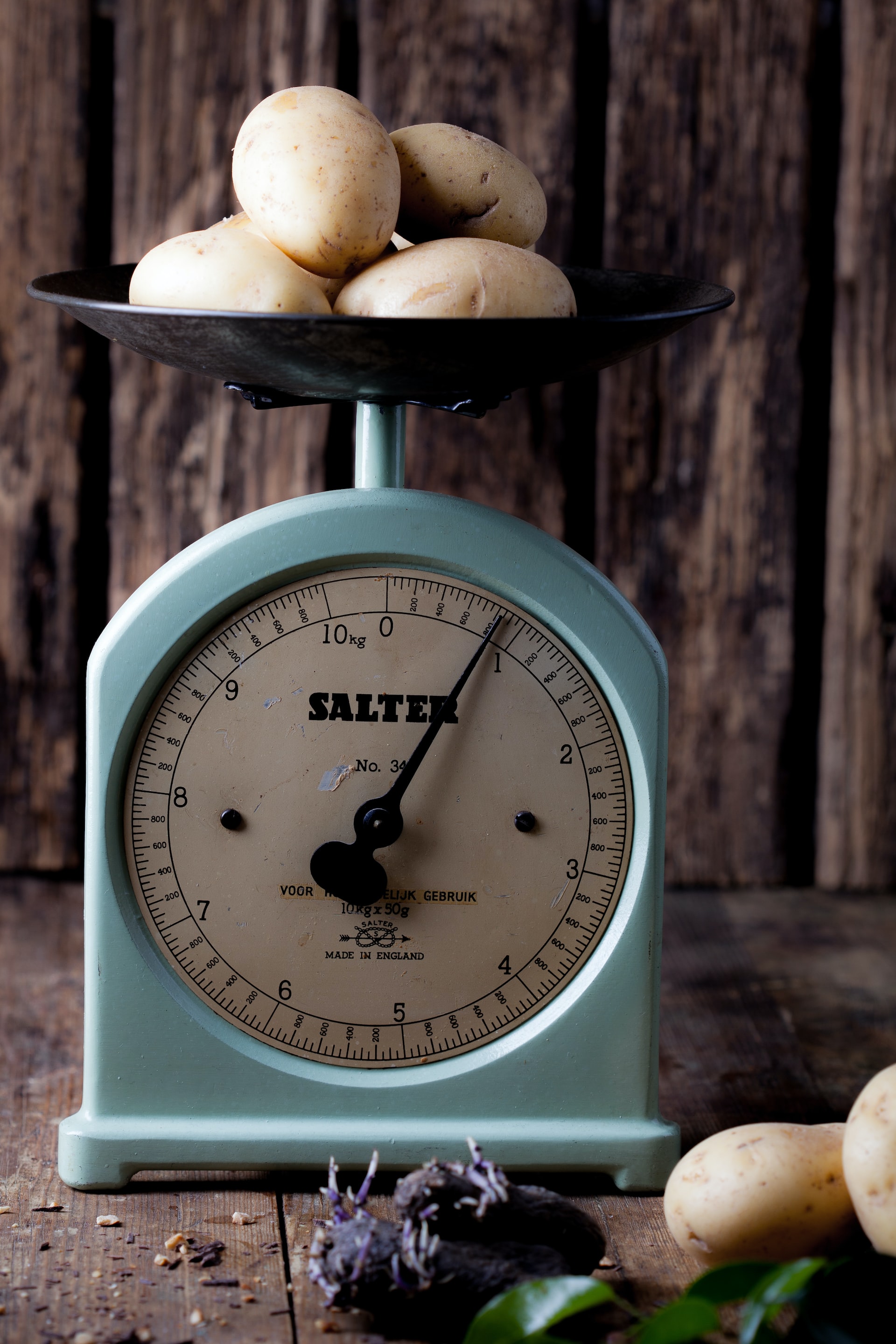
Mass is a property of matter and is how much matter is in an object. Heavy objects have more mass than lighter objects.
A Balance can be used to measure mass.
You can change matter in various ways. If you shape playdoh into different animal models, you are changing how the matter looks like but it is still a solid.
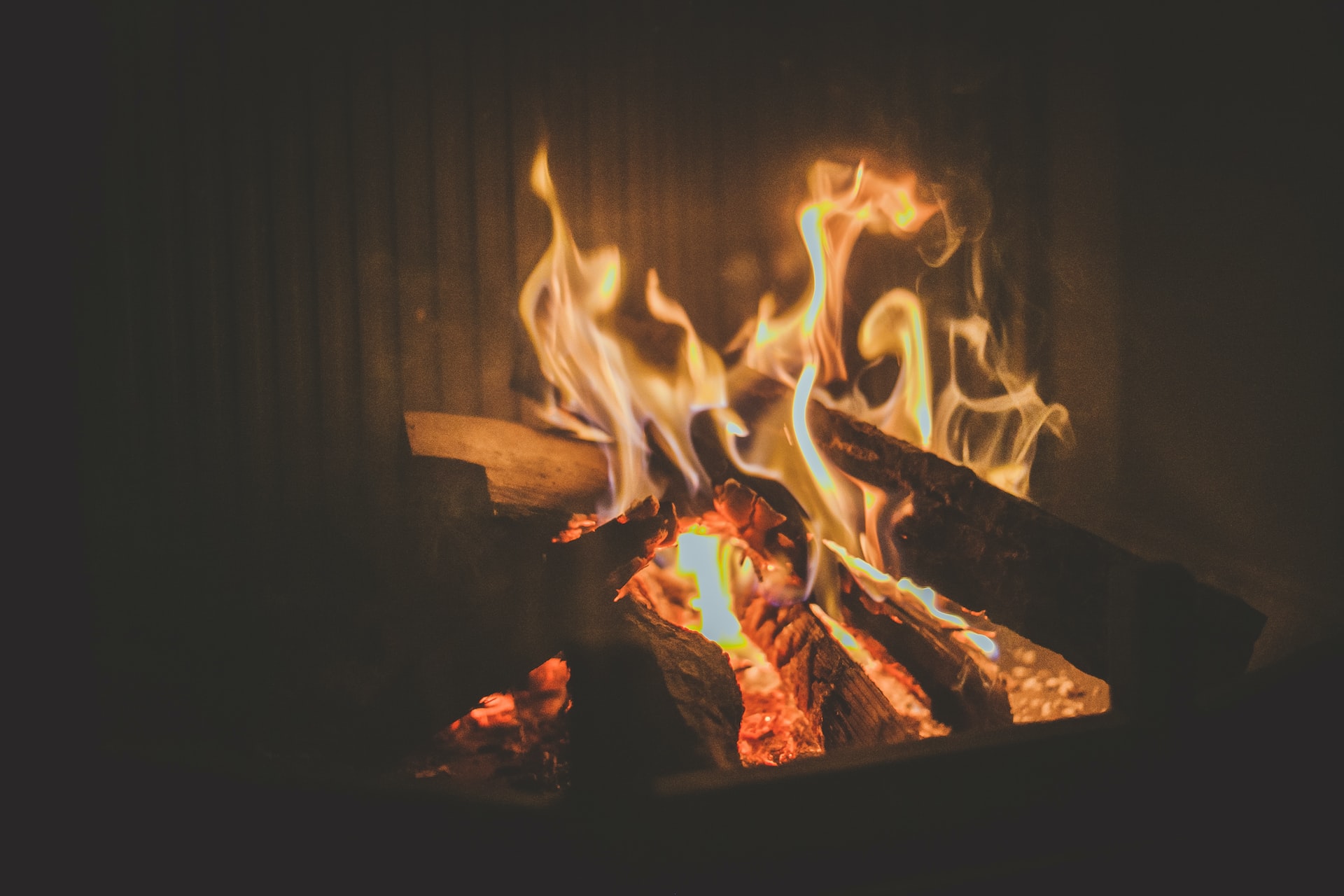
Sometimes matter can change into something else. When you burn matter, heat and air change its properties.
For example, if you burn firewood in a fireplace, you produce smoke, ash and some charcoal. All of which are different from the firewood you had in the beginning.
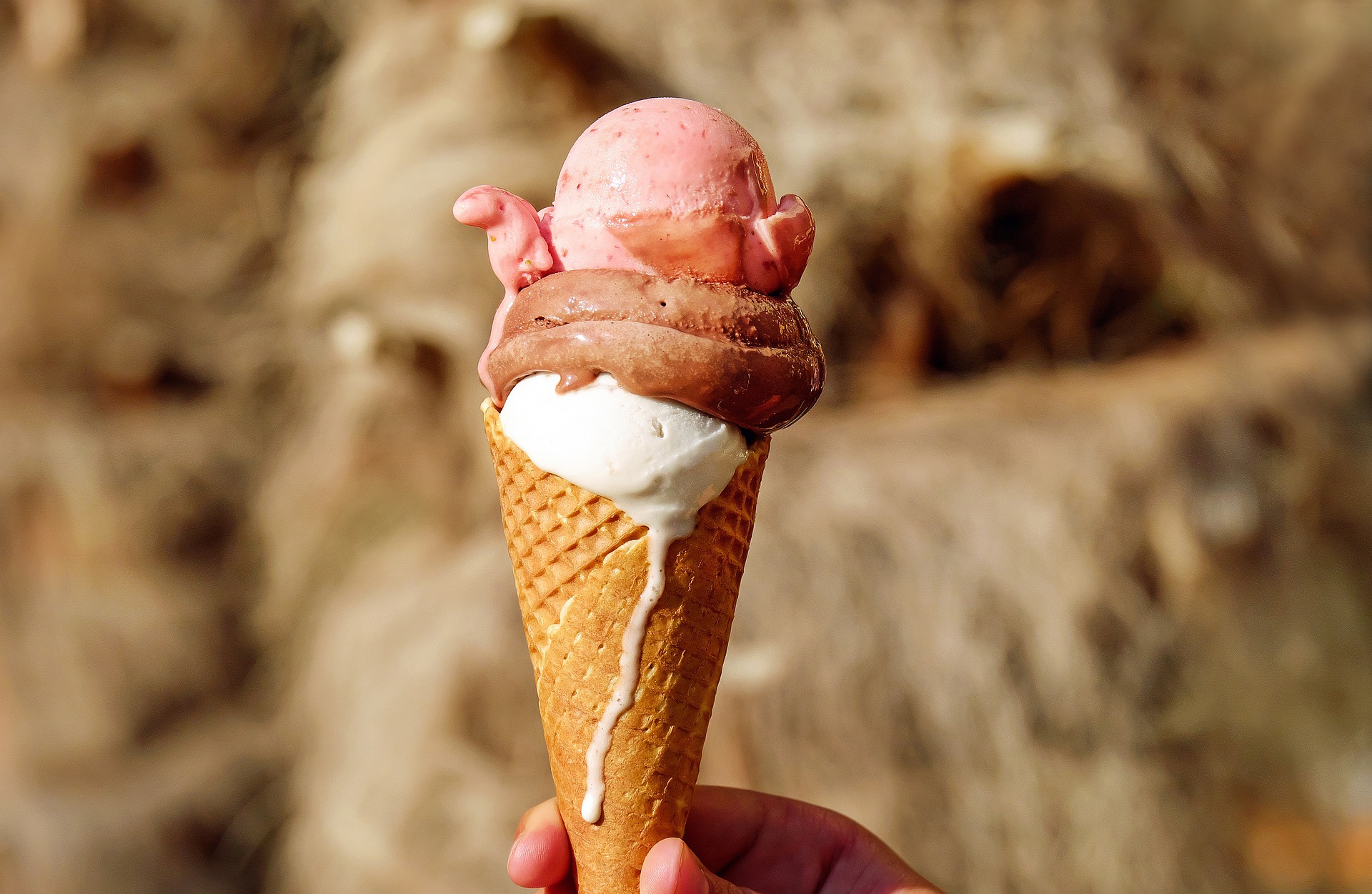
If you hold icecream on a hot day, it will change from a solid to a liquid in a process called melting.
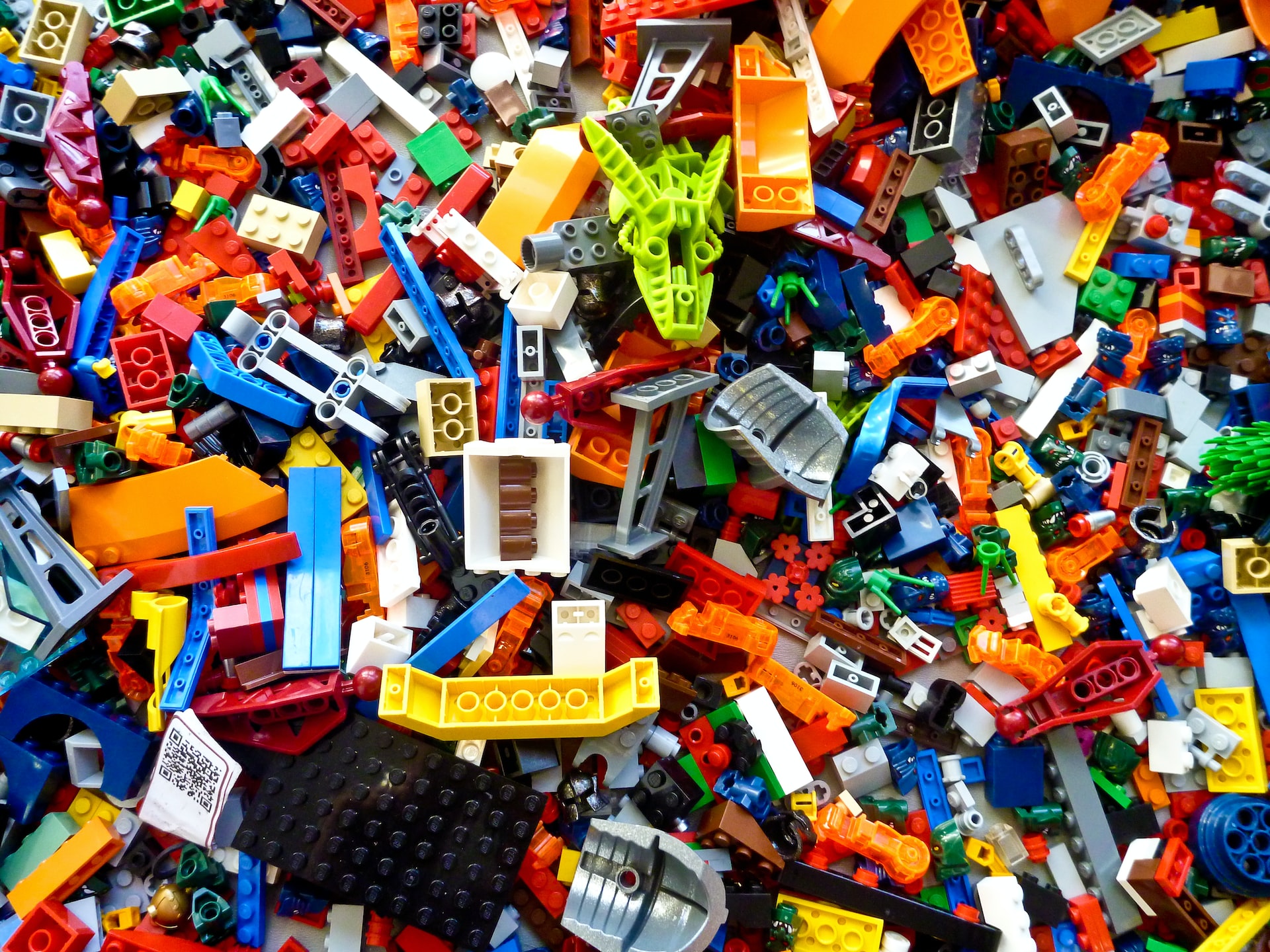
A mixture is two or more different things put together. When you mix some solids, they do not change. You can see the parts of the mixture. You can take them apart.
When you mix solids with water, some objects will float. Others will sink. Sometimes you can pick the solids out of the water.
When you mix a solid and a liquid, some solids dissolve, or mix completely into the liquid. Some liquids mix completely, too.
Some liquids do not mix together. Oil and water do not mix. The two liquids stay apart.
Lets look at the effect of heat on matter once again.
To freeze means to change from a liquid to a solid.
To melt means to change from a solid to a liquid.
To evaporate is to go into the air as a gas.
When water vapor gets cool, it changes into a liquid. When water vapor in the air touches a cool glass, it turns back into water. That is why your glass of cold lemonade is sometimes wet on the outside.
A Push is a force that moves something away from you.
A Pull is a force that moves something closer to you.
A Magnet is something that can pull, or attract, some objects.
Heat is a form of energy that makes things warm.
Position describes the place where something is located. Have you ever told your brother or sister where the crayon is located? In that case, you were describing its position.
Objects can move in many ways and directions. Motion is the change in an object’s position.
Things can move forward, backward, or in a circle.
Speed is how fast or slow something moves.
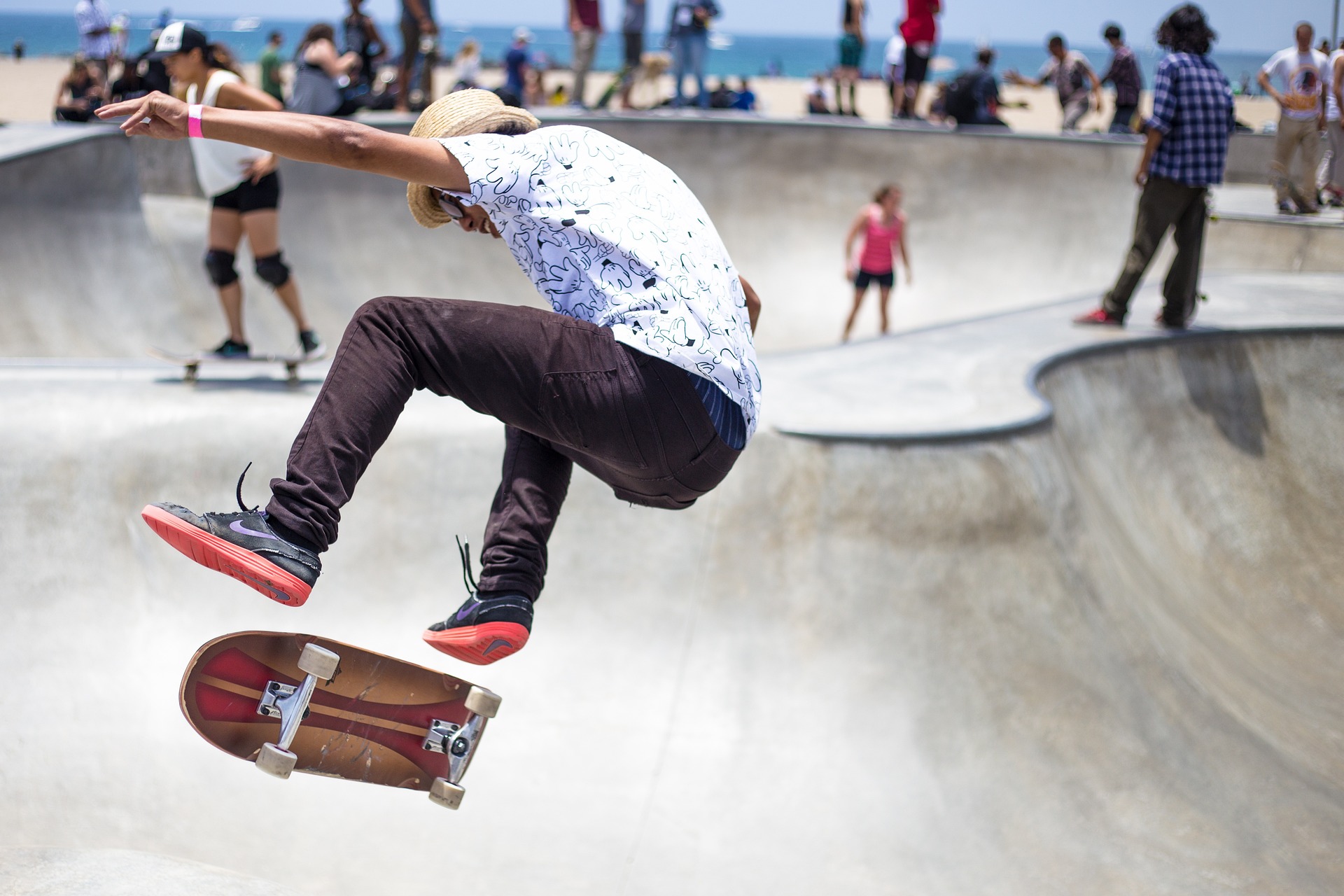
A push moves the object away from you. A pull moves it toward you. A Force is needed to move an object.
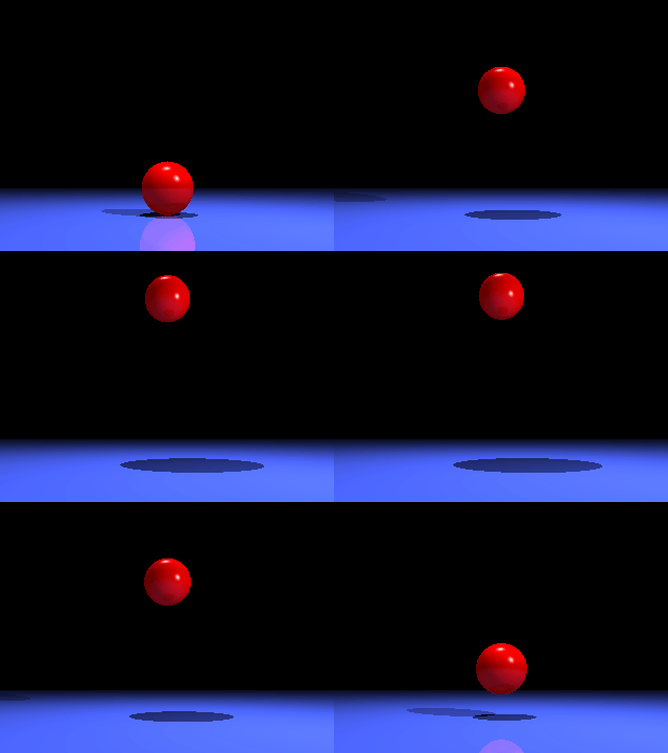
Gravity is the force that pulls things toward Earth. If you let go of something, gravity pulls it to the ground.
Friction is a force that slows things down. Friction is two things rubbing together.
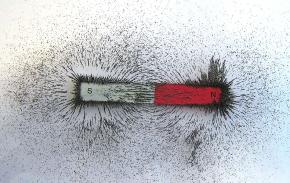
A magnet pulls, or attracts, some kinds of objects. Magnets attract things that have iron in them. Iron is a kind of metal. Magnets do not attract things that are made of plastic, rubber, or cloth.
Every magnet has two poles. Poles are where the magnet’s pull is strongest.
The N shows the north pole.
The S shows the south pole.
If you hold the north pole of one magnet up to the south pole of another magnet, the poles will attract.
If you place two north poles or two south poles next to each other, they will repel one another. Repel means to push away.
When we eat food, we get energy to work and play. Energy makes things work and change. There are many different forms of energy.
Heat, light, sound, and electricity are some forms of energy. We use different forms of energy every day to accomplish different tasks.
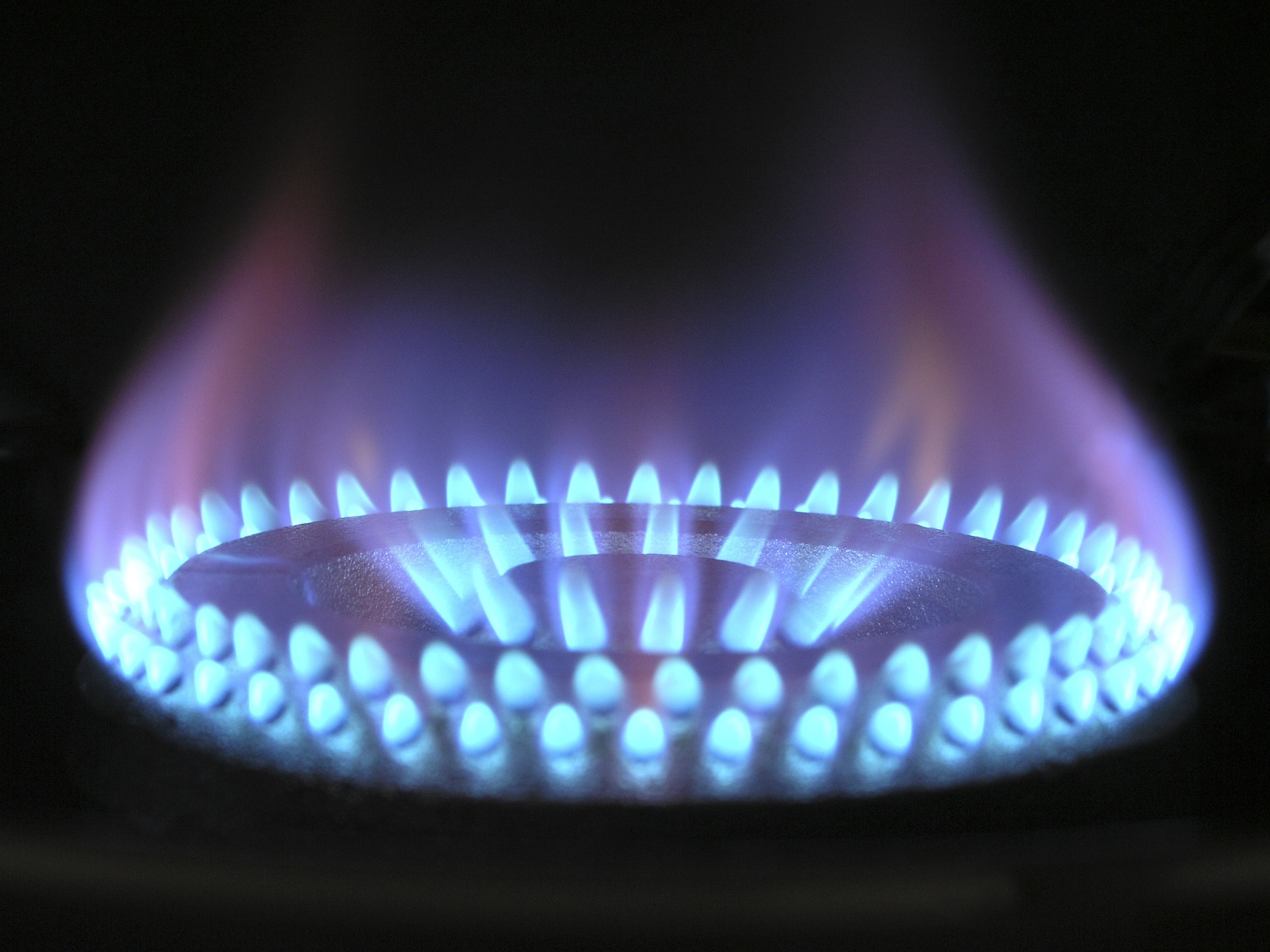
Heat is energy that makes things warm. We can get heat from burning things like wood, oil, or gas. People can use this energy to warm their homes or to make cars move. We also use heat to cook. Rubbing things together generates some heat, like when you rub your hands together.
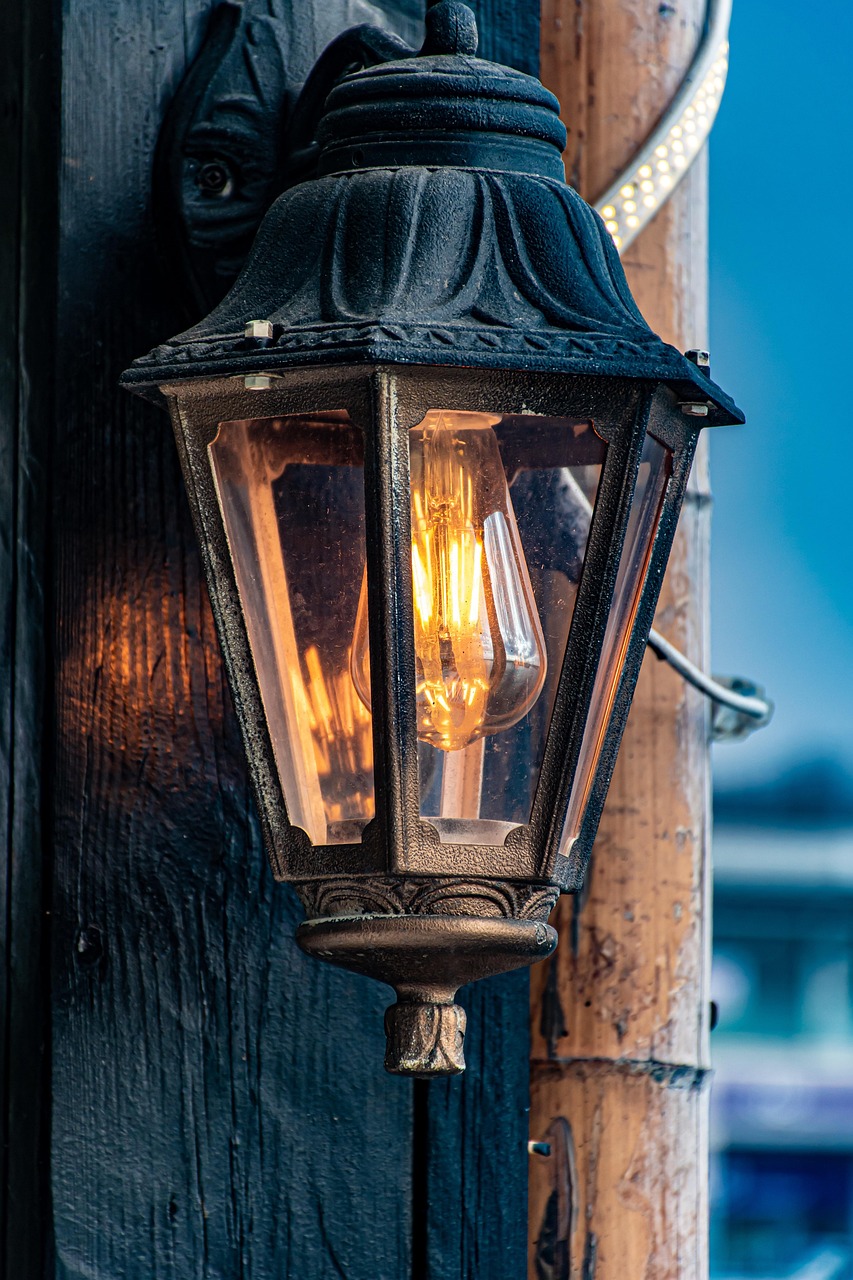
Electricity is a form of energy. It gives some things power to work. Wires carry electricity into your home, school, teacher's office etc. You can also get electricity from batteries.
Many devices, machines and appliances need electrivity to work.
Electricity is also dangerous. For example, never use electricity near water.
You can measure time with a clock. A clock measures in units called hours, minutes, and seconds. There are 60 seconds in 1 minute, and there are 60 minutes in 1 hour.



 Contact Us