
Designing, Building, Testing, and Improving Solutions
What Students Learn
Students develop a clear understanding of what engineers do and how engineering differs from science and technology.
Key Concepts
Practice Examples
Understanding engineering helps students see how ideas become real-world solutions that improve lives.

What Students Learn
Students learn a structured approach to problem-solving known as the engineering design process.
Key Steps
Practice Examples
The design process teaches organization, persistence, and logical thinking.
Students learn:
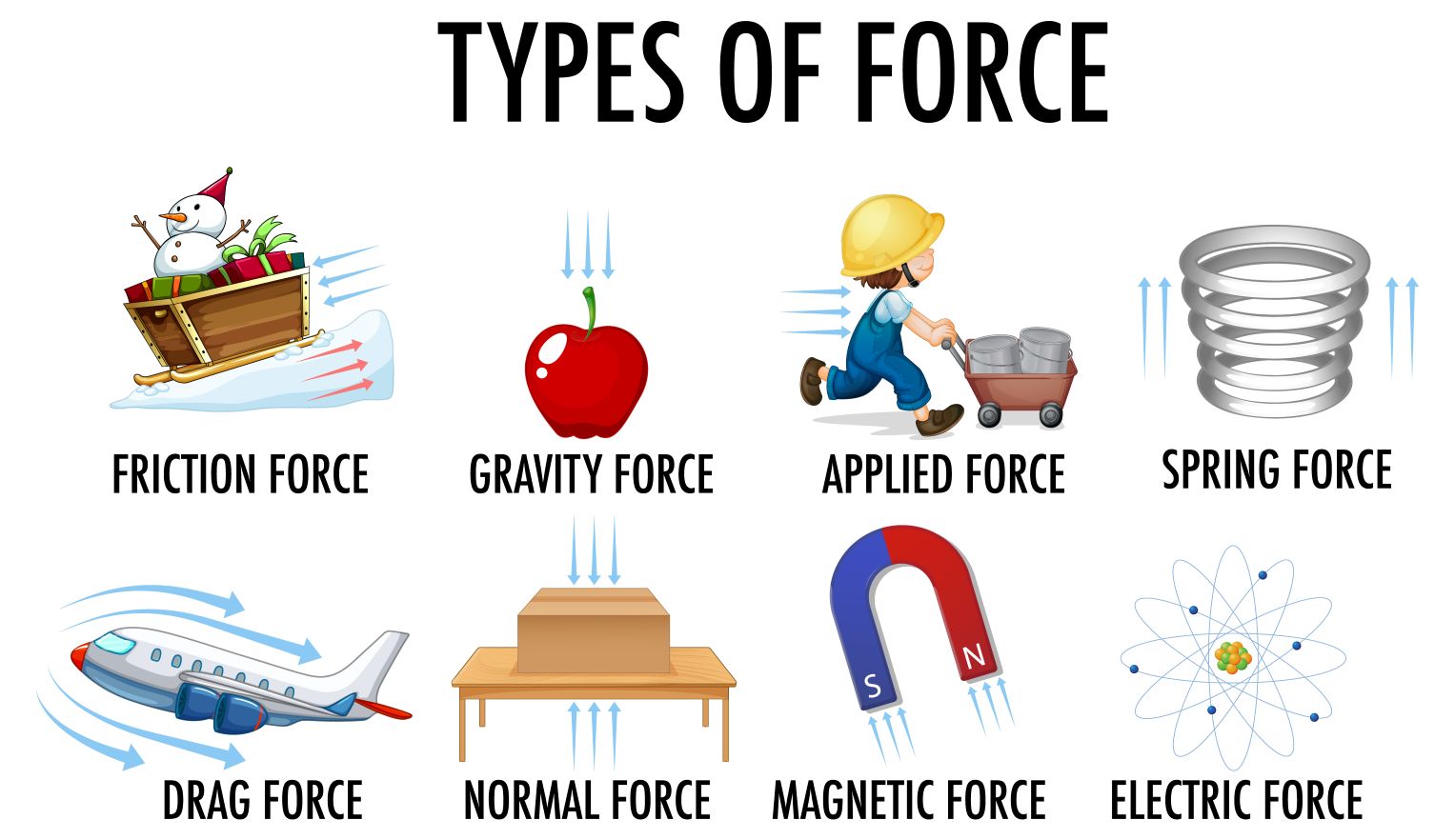
Students explore how forces affect structures and machines.
Practice Examples
Understanding forces helps students design safer, stronger, and more efficient structures.
Students learn:
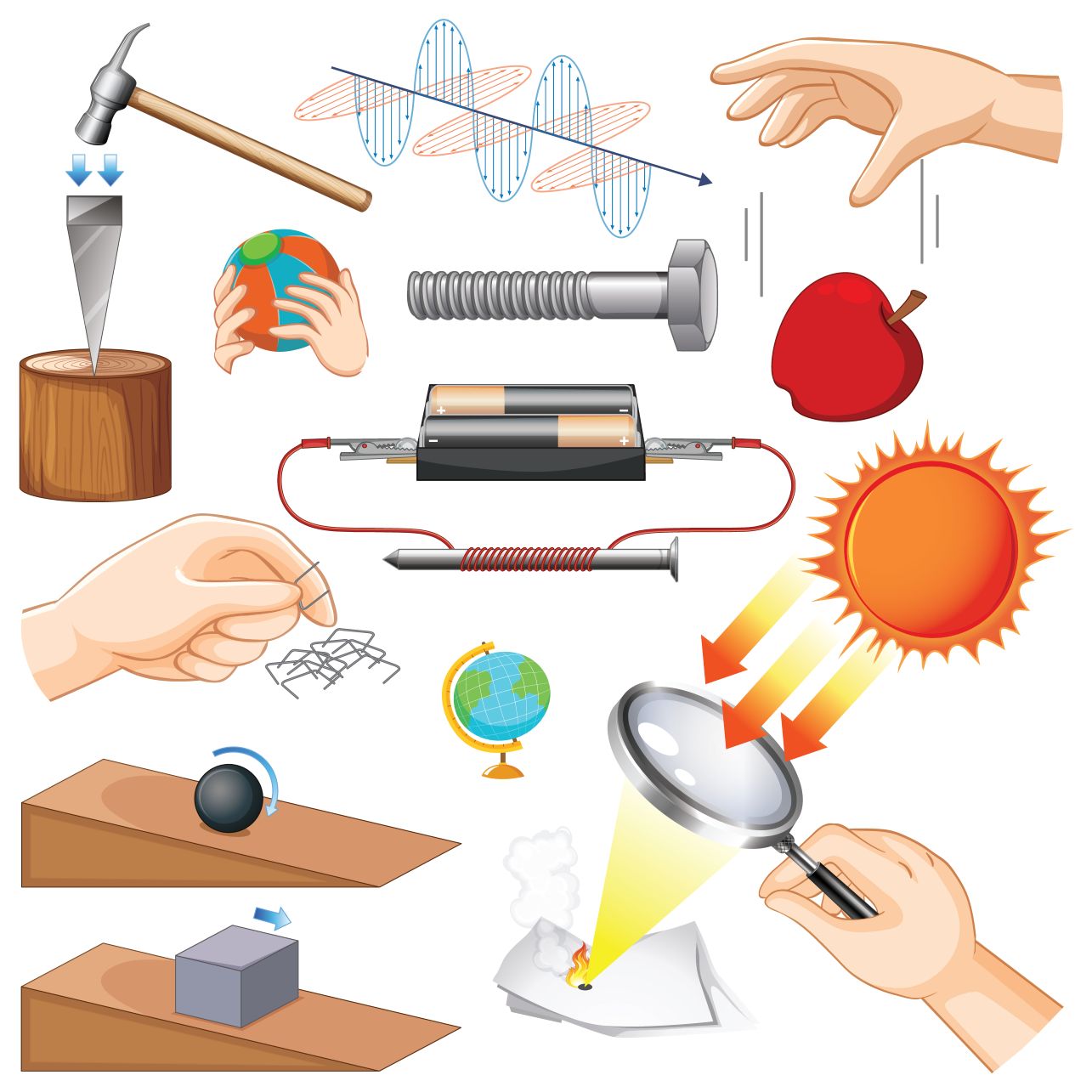
Students investigate how material properties affect design choices.
Practice Examples
Good engineering depends on choosing the right materials for the job.
Students learn:
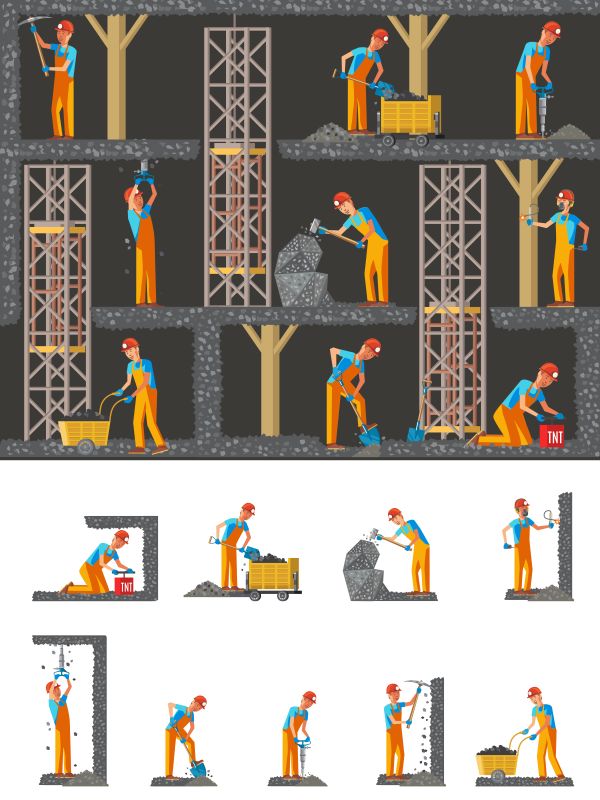
Students study how structures are designed to support loads and remain stable.
Practice Examples
Structural engineering principles are used in buildings, bridges, and towers around the world.
Students learn:
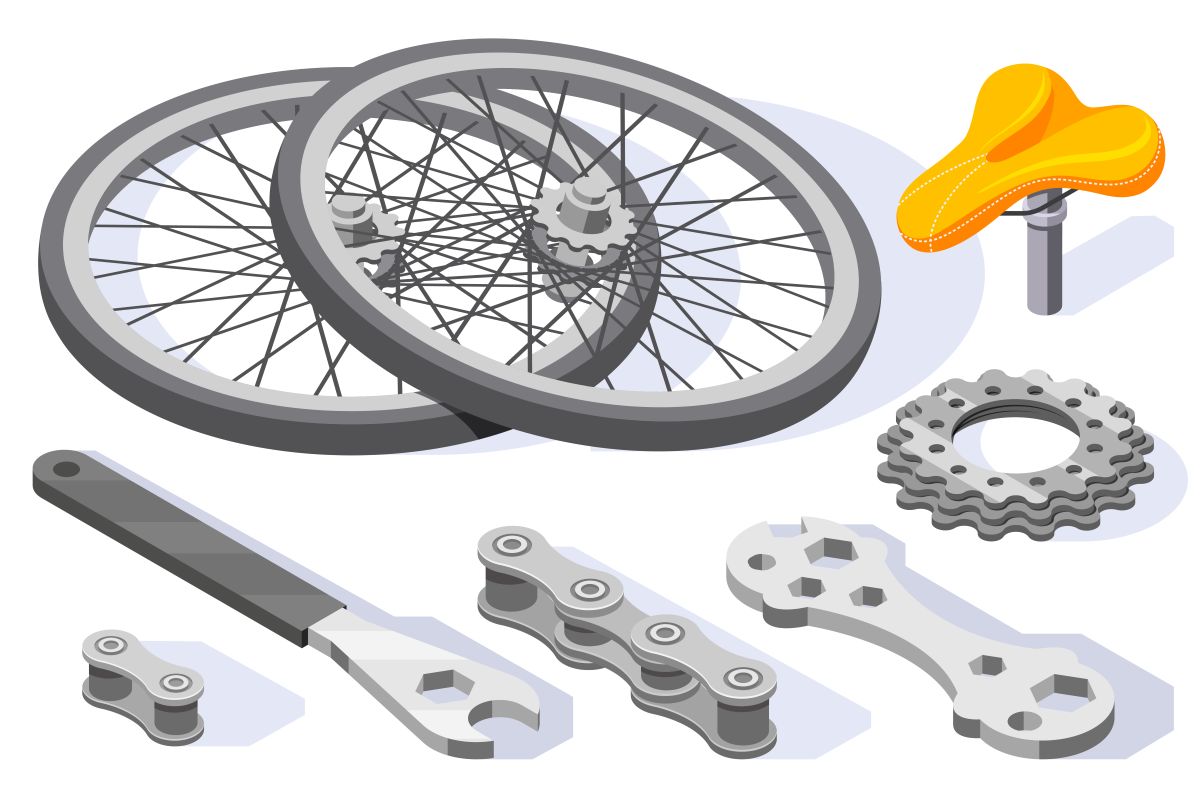
Students learn that complex designs are made of smaller parts that work together
Practice Examples
Understanding systems helps students design more effective and reliable solutions.
Students learn:
Students explore real-world limitations engineers face.
Practice Examples
Engineering is about making the best possible solution, not a perfect one.
Students learn:
Students learn how testing and data guide better designs.
Practice Examples
Engineers rely on data, not guesses, to improve designs.

Students learn:
Students examine how engineering decisions affect people and the planet.
Practice Examples
Responsible engineering considers long-term impacts, not just short-term solutions.



 Contact Us