Art & Creativity

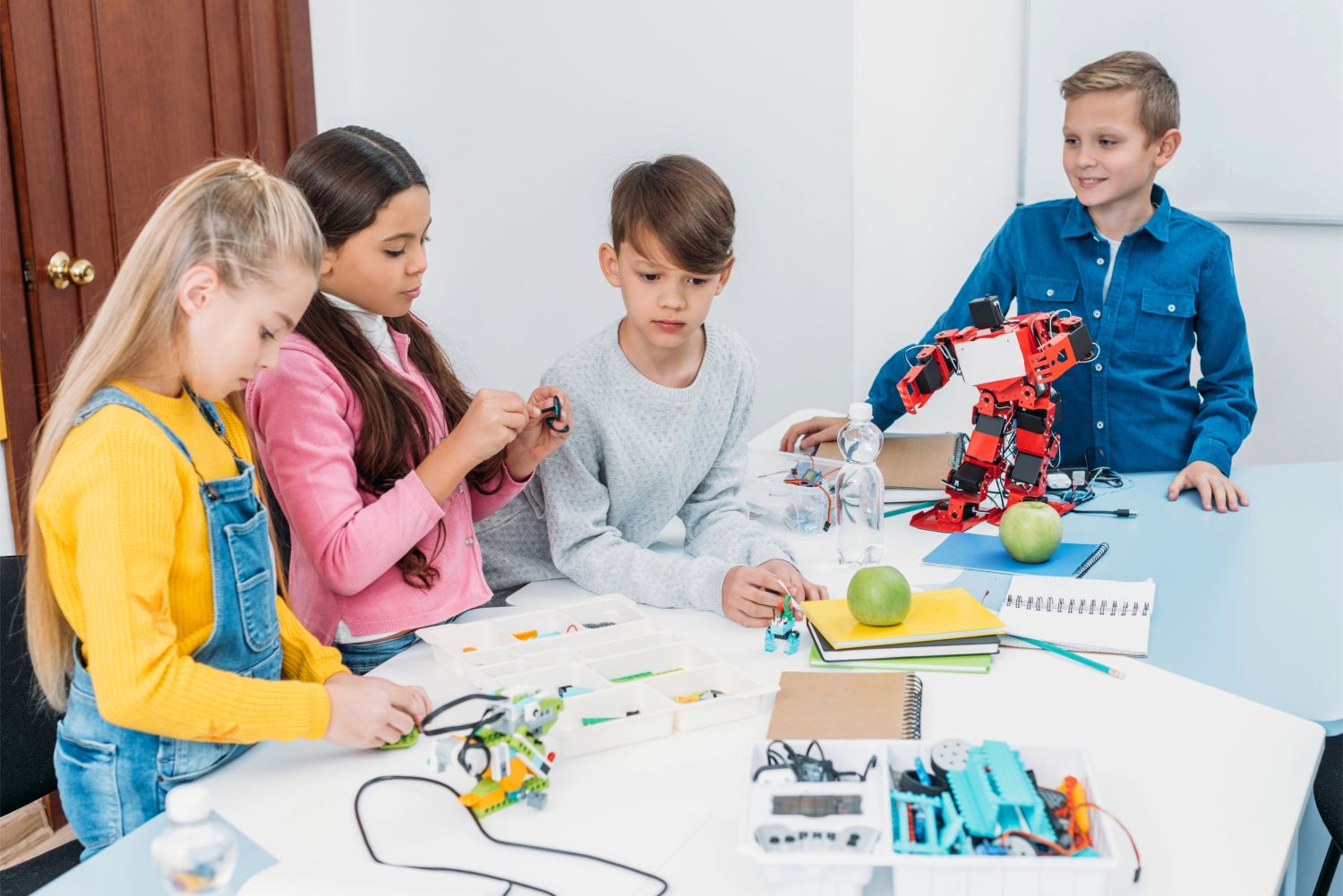
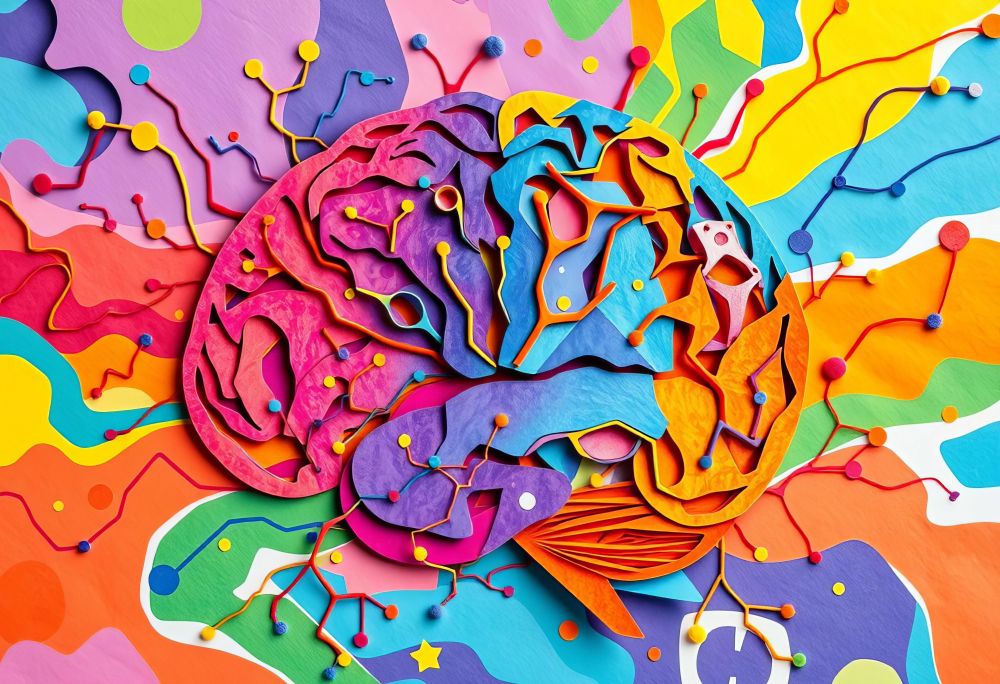
Art and creativity are essential parts of STEAM learning. In Grade 6, students use art to express ideas, solve problems creatively, communicate visually, and design meaningful solutions. This unit encourages experimentation, confidence, and creative thinking while connecting art to science, technology, engineering, and mathematics.

Understanding Art as a Tool for Communication


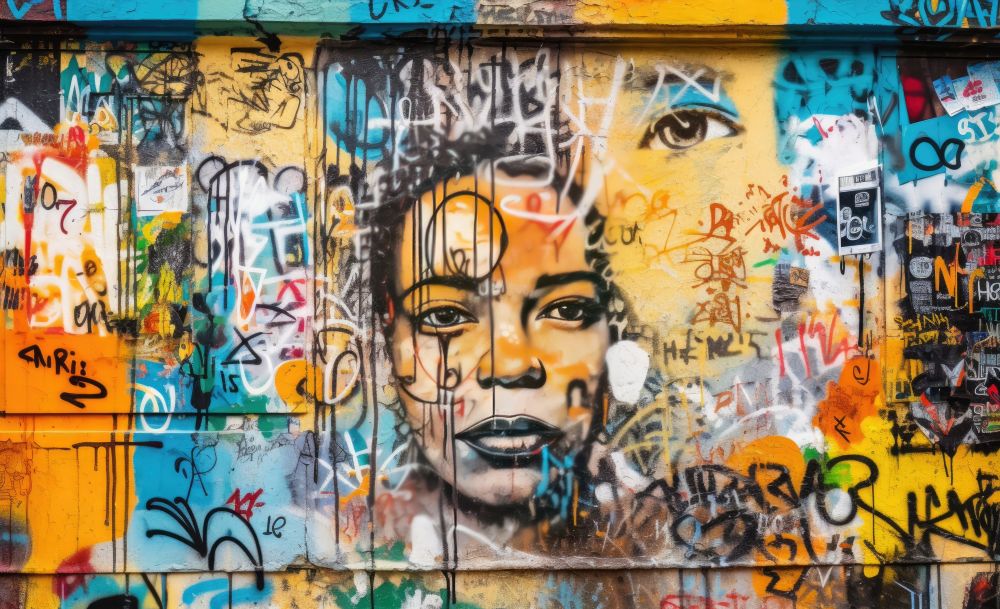
Art is more than decoration—it is a way to share ideas, emotions, and information.

Key Concepts


  • Art as visual communication
  • Art in science diagrams, maps, symbols, and models
  • How colors, shapes, and lines convey meaning

Learning Focus

Students learn to:

  • Explain what a piece of art is trying to communicate
  • Compare how different images send different messages
  • Create simple visuals to explain ideas (e.g., a process or concept)

Connection

Scientific illustrations, infographics, technical drawings
Elements of Art (Foundations)


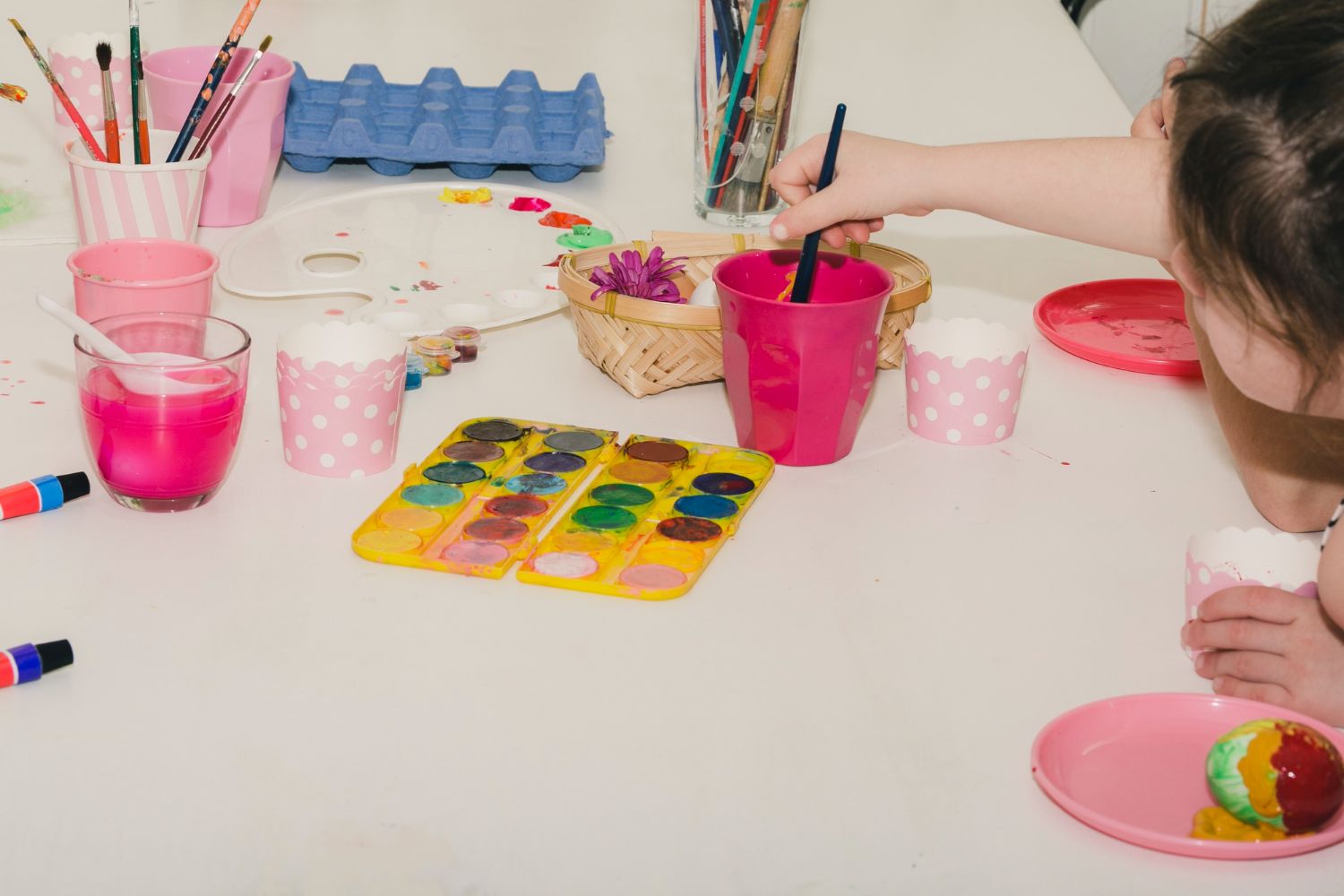
Students build a strong foundation by understanding the basic building blocks of visual art.

Core Elements

  • Line – straight, curved, zigzag
  • Shape – geometric and organic
  • Color – primary, secondary, warm and cool colors
  • Texture – real or implied
  • Space – foreground, middle ground, background
  • Value – light and dark

Practice Activities

  • Create abstract art using only lines and shapes
  • Design a poster using warm or cool colors to create mood
  • Draw an object showing light and shadow

Principles of Design


Students learn how artists organize elements to make artwork effective and appealing.

Key Principles

  • Balance (symmetry and asymmetry)
  • Contrast
  • Emphasis
  • Pattern and repetition
  • Proportion
  • Unity

Application

  • Improve a design by adjusting balance or contrast
  • Compare effective vs. ineffective designs
  • Redesign a simple object to improve its appearance

Connection

Product design, user interfaces, engineering sketches
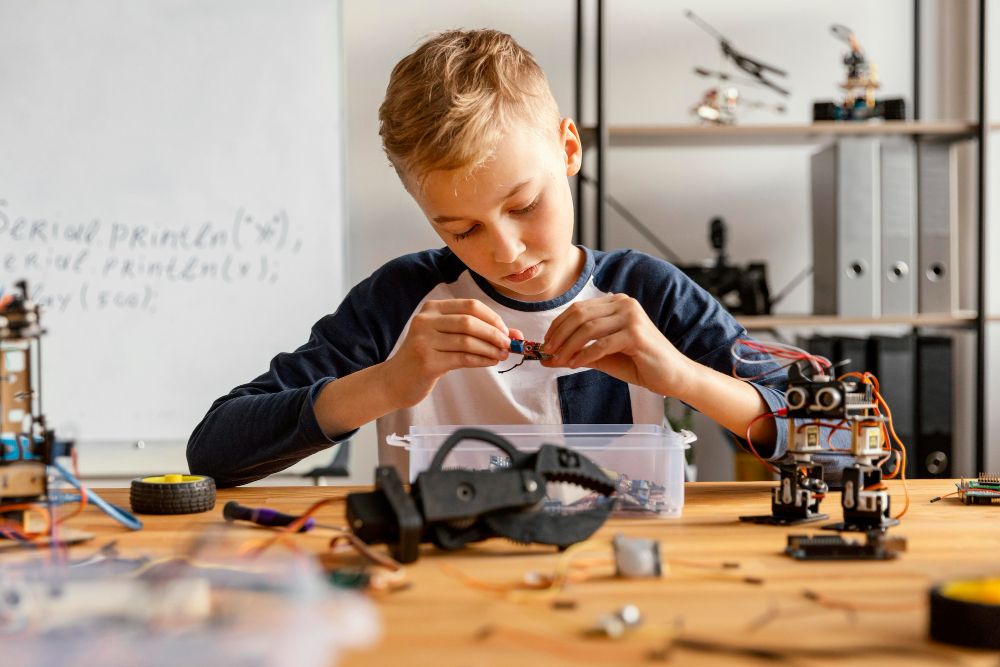
Creativity and Design Thinking


This section introduces students to creative problem-solving, a key skill in STEAM careers.

Design Thinking Steps

  • Identify a problem
  • Brainstorm ideas
  • Sketch solutions
  • Improve and refine designs
  • Share and explain ideas

Example Challenges

  • Design a logo for a science club
  • Create an eco-friendly packaging idea
  • Design a classroom poster that explains a science concept

Art and Technology


Students learn:


Students explore how technology expands creativity.

  • Digital illustration basics
  • Pixel art and simple animation
  • Using art software responsibly
  • Understanding digital vs. traditional art

Connection

Game design, graphic design, animation, digital storytelling

Creativity, Culture, and Identity


Art reflects people, cultures, and experiences.

Students learn:


  • Explore art from different cultures
  • Respect diverse styles and traditions
  • Express personal identity through art

Activities

  • Create artwork inspired by cultural patterns
  • Design symbols that represent personal values or interests
  • Compare traditional and modern art styles

Art in the Real World (Careers & Applications)


Students discover how creativity is used in real careers.

Examples

  • Graphic designers
  • Architects
  • Industrial designers
  • Animators
  • Scientific illustrators

Reflection

  • How creativity supports innovation
  • Why artistic skills matter in STEM fields
  • How art improves problem-solving and communication

"Be a little kinder than you have to." ― E. Lockhart (in 'We Were Liars')