
Anaximander of Miletus was one of the earliest Greek philosophers and a foundational figure in the tradition now known as Presocratic philosophy. Born in the city of Miletus (in present-day Turkey), he lived during the 6th century BCE and is remembered as a bold thinker who sought natural explanations for the universe rather than mythological ones.
Anaximander was a student of Thales of Miletus, often regarded as the first philosopher in Western history. Thales had proposed that water was the fundamental substance of all things. Anaximander, however, moved beyond his teacher’s idea and suggested something more abstract and revolutionary.
Miletus was a thriving trading city exposed to ideas from Egypt, Mesopotamia, and beyond. This environment of exchange and curiosity likely influenced Anaximander’s willingness to question traditional explanations about nature and the cosmos.
Anaximander’s most famous idea was the apeiron, meaning “the boundless” or “the infinite.” He argued that the origin of all things could not be a familiar element like water, air, or fire. Instead, he proposed that everything comes from the apeiron—an indefinite, eternal substance that contains all opposites (hot and cold, wet and dry) and generates the world through natural processes.
This was a major shift in thinking:
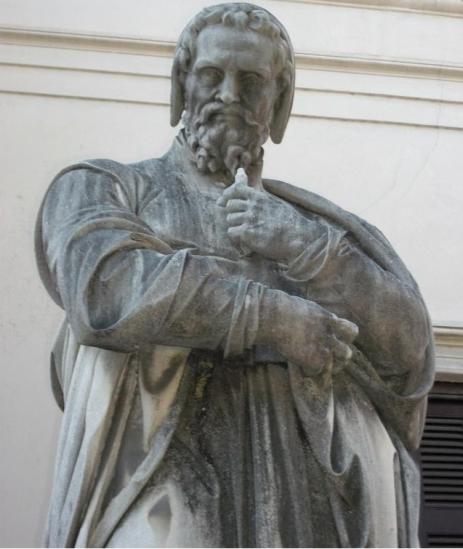
Anaximander is often considered one of the earliest scientific thinkers in Western history.
He proposed that:
Though incorrect by modern standards, his model was groundbreaking because it relied on logical reasoning rather than divine intervention.
Anaximander suggested that life began in water and that humans may have evolved from fish-like creatures. This is one of the earliest recorded ideas resembling evolutionary theory.
He is credited with creating one of the first known maps of the inhabited world. His interest in geography and spatial representation demonstrates his desire to understand the world systematically.
Anaximander is believed to have written one of the earliest philosophical prose works in Greek. Only fragments of his writing survive today, preserved through later authors such as Aristotle.
Although much of his original work is lost, his influence endured. His ideas shaped:
Anaximander’s importance lies not in whether his scientific claims were correct, but in how he approached knowledge:
In many ways, he helped shift humanity from mythological storytelling to systematic inquiry—a critical step in the development of philosophy and science.
Anaximander represents a turning point in intellectual history. His work shows that:
For students of philosophy, science, and STEM, Anaximander demonstrates how bold thinking and logical reasoning can transform how we understand the world.
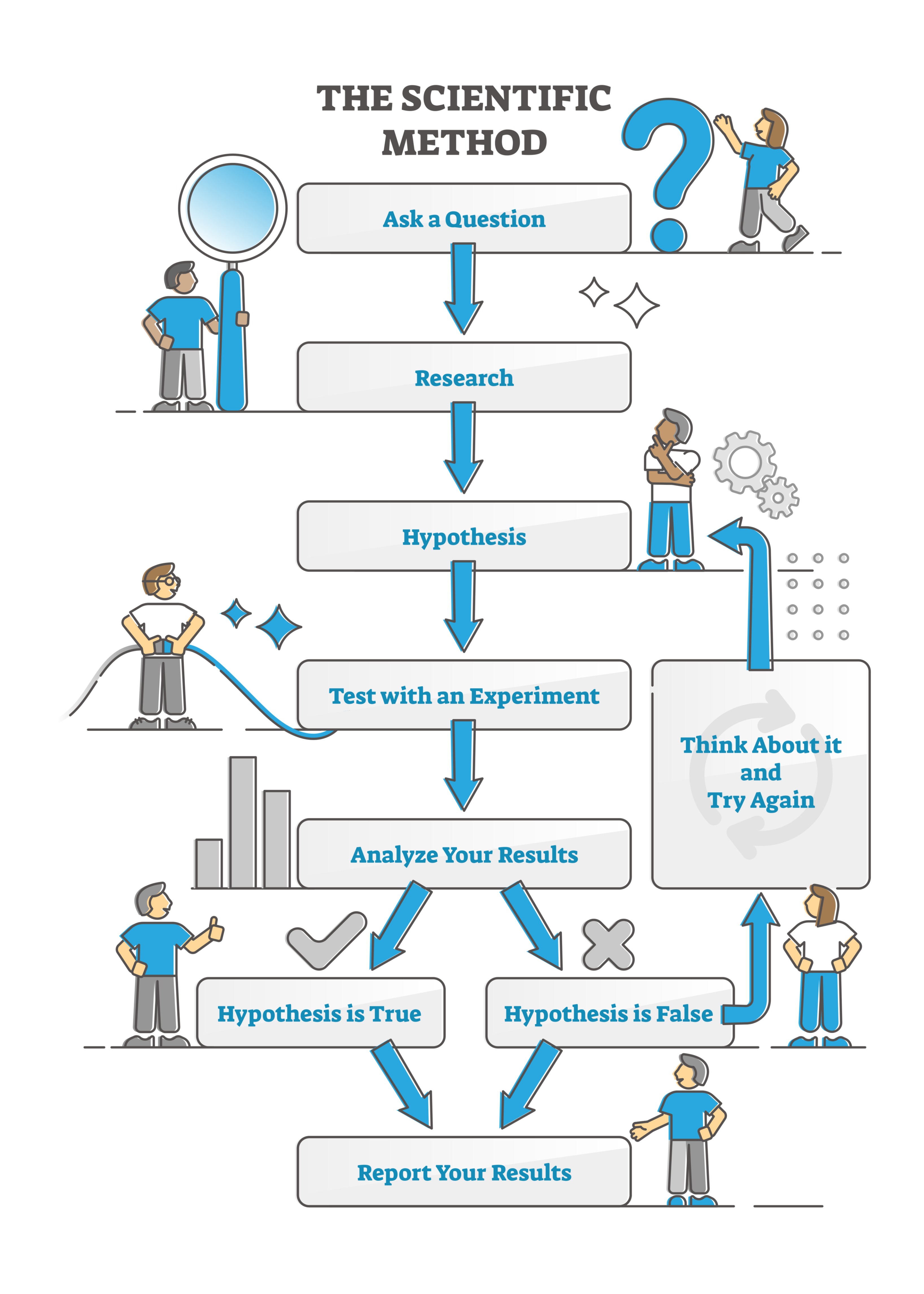
Scientists make and follow a process called the scientific method. This ensures that scientists have evidence before they make scientific facts. The scientific method also includes the plan that explains what they did, so that other scientists will make the same obeservations if they did the same study/experiment. This means the results can be reproduced.
Start with a question! Using the knowledge you already know, make a prediction of what you expect to observe. This initial prediction is called a Hypothesis. For example:
Question: What do snails like to eat?
Hypothesis: Snails like to eat vegetables
Make a plan to find out what snails like to eat. You will need to give the snails different kinds of foods, observe if the snails will eat and record your observations.
Make a conclusion: The results observed in my experiment indicate that snails will consistently eat vegetables.
Share your observations with your classmates, neighbors and friends. Your friends will learn what foods snails like to eat. They may also come up with new questions that will require further investigations. For example, now that you know that snails can eat both carrots and lettuce, which one do they prefer over the other?


 Contact Us